
Last updated November 23, 2026
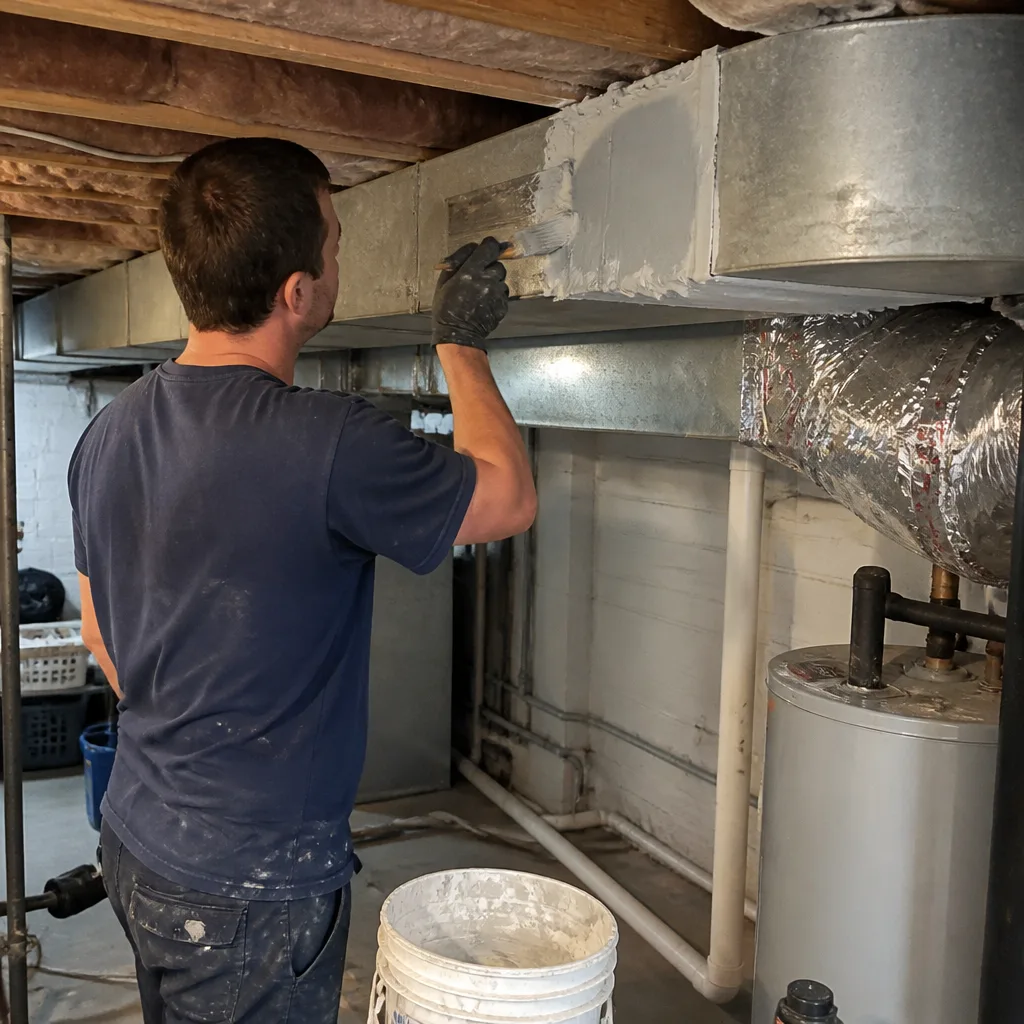
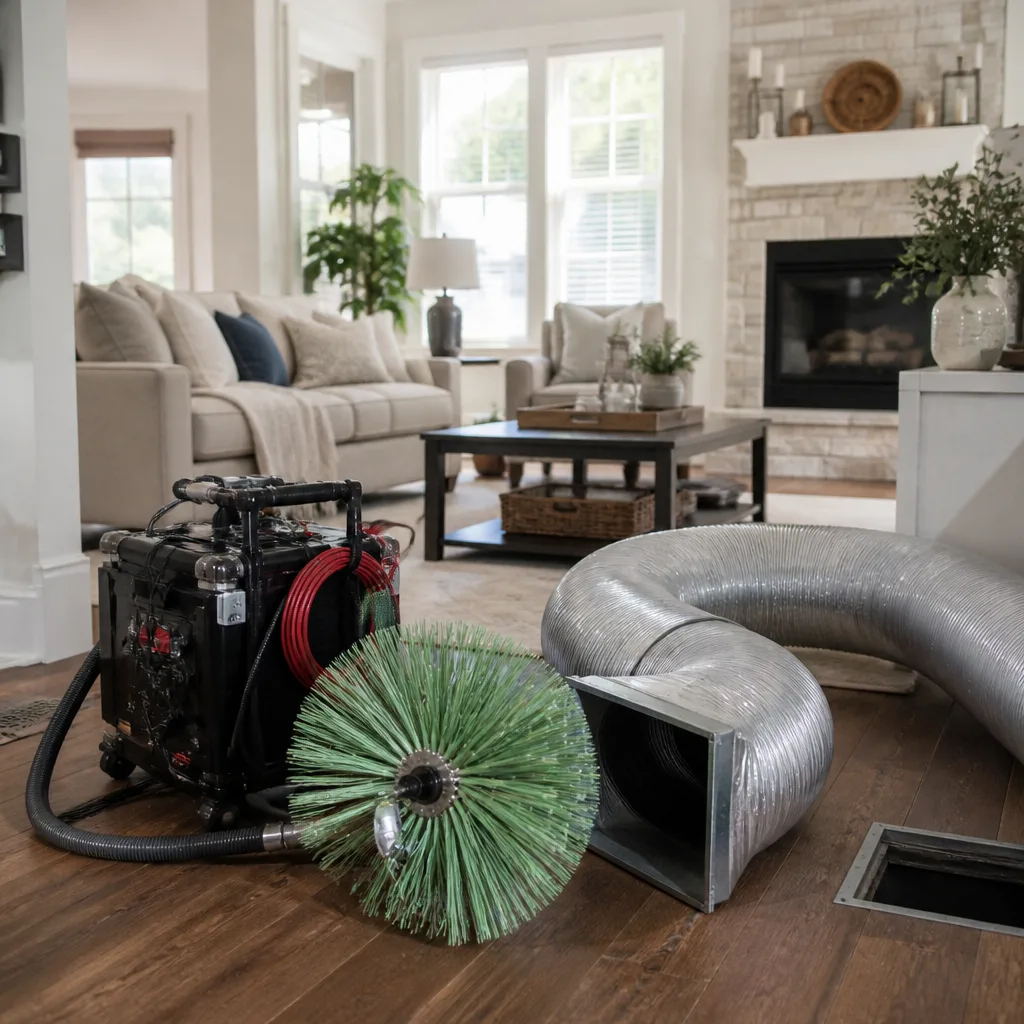 Whole-home duct cleaning
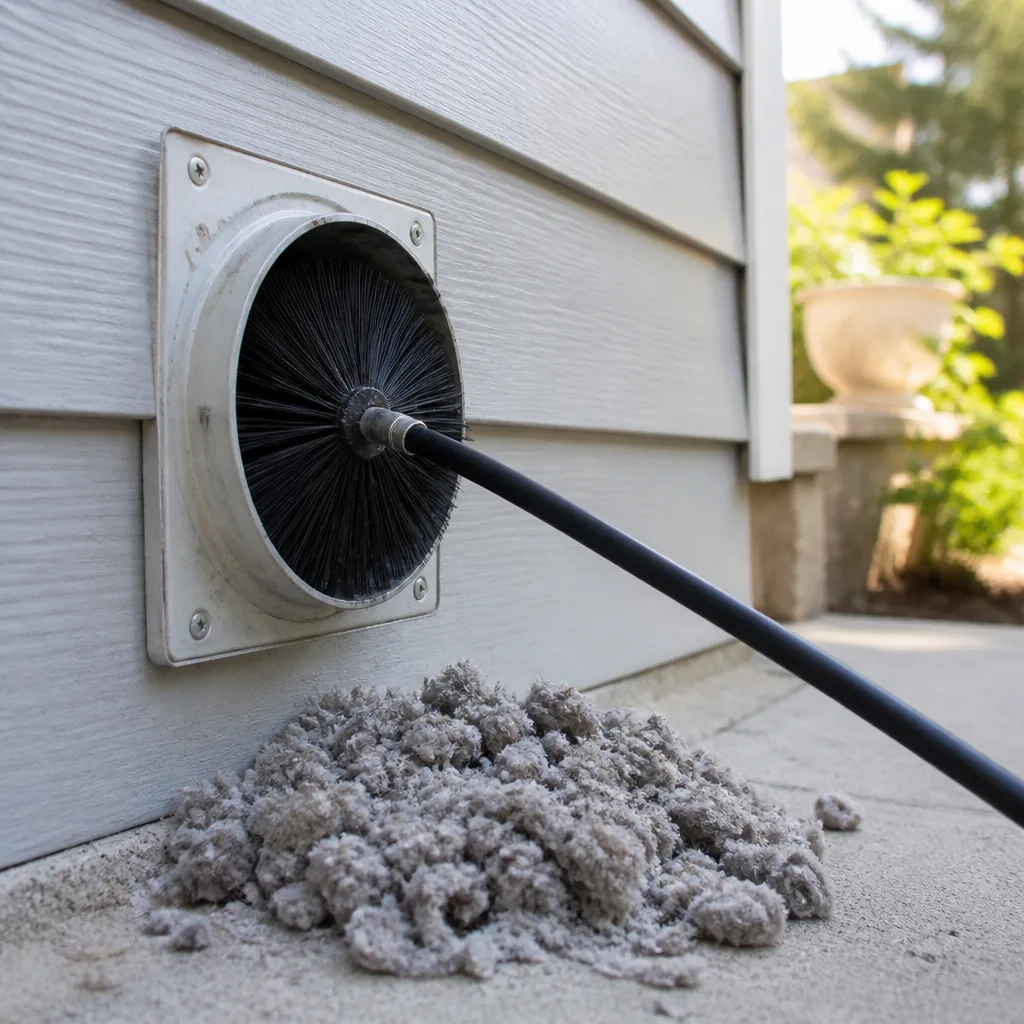 Dryer vent cleaning
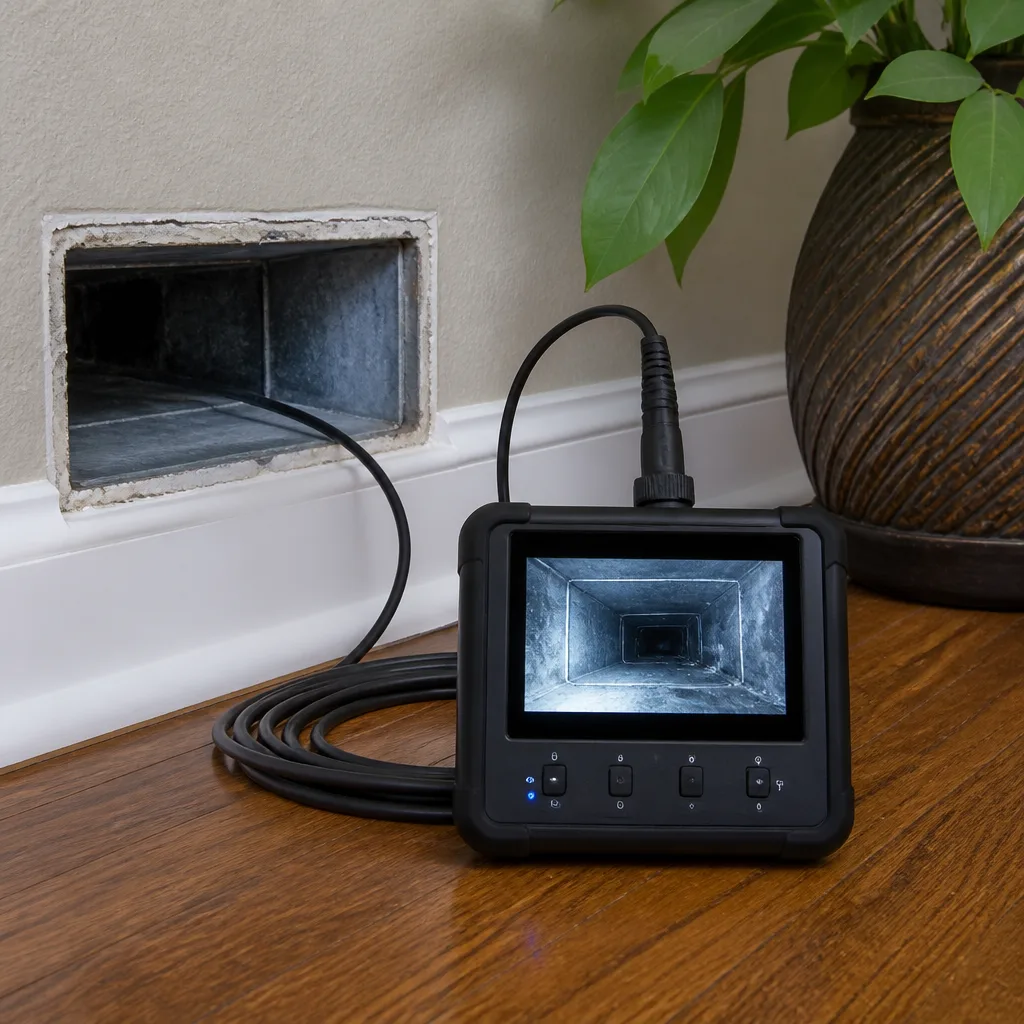 Camera inspection
 Sanitizing & deodorizing
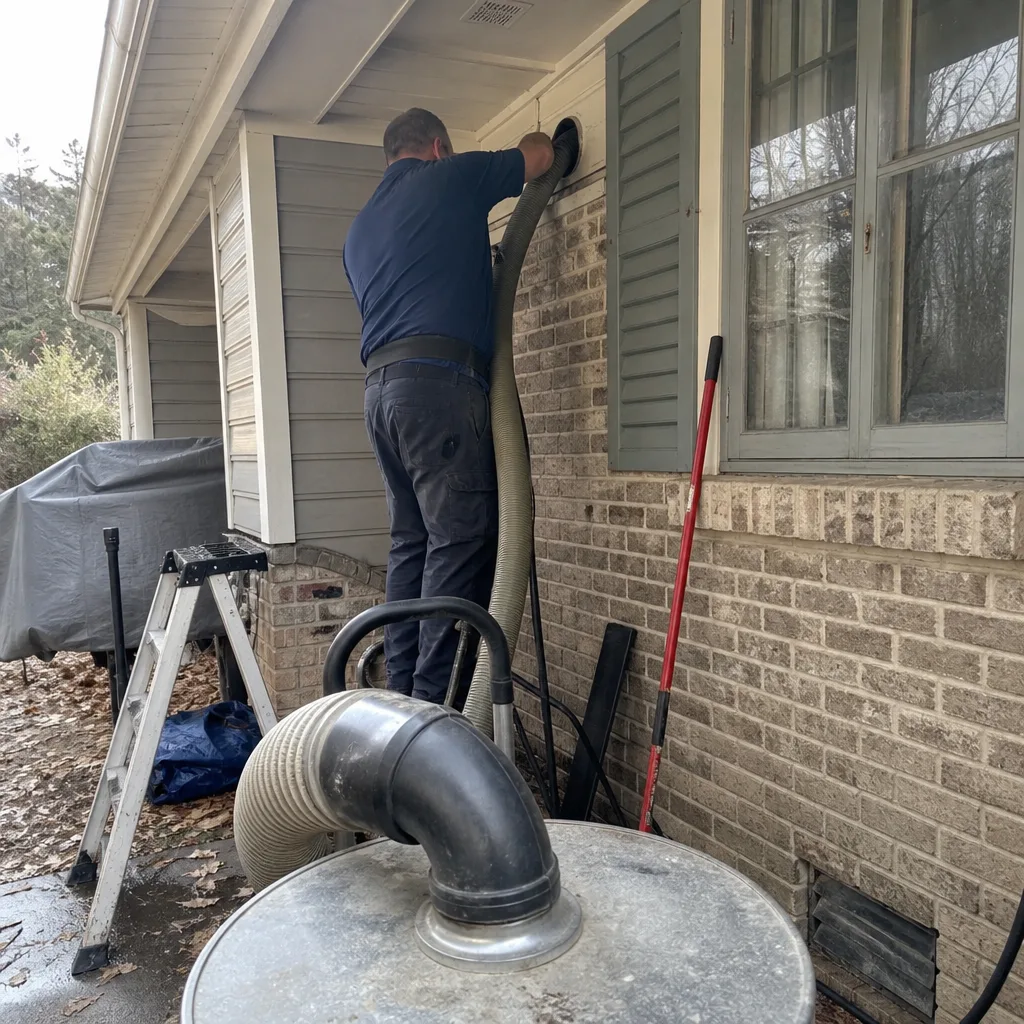
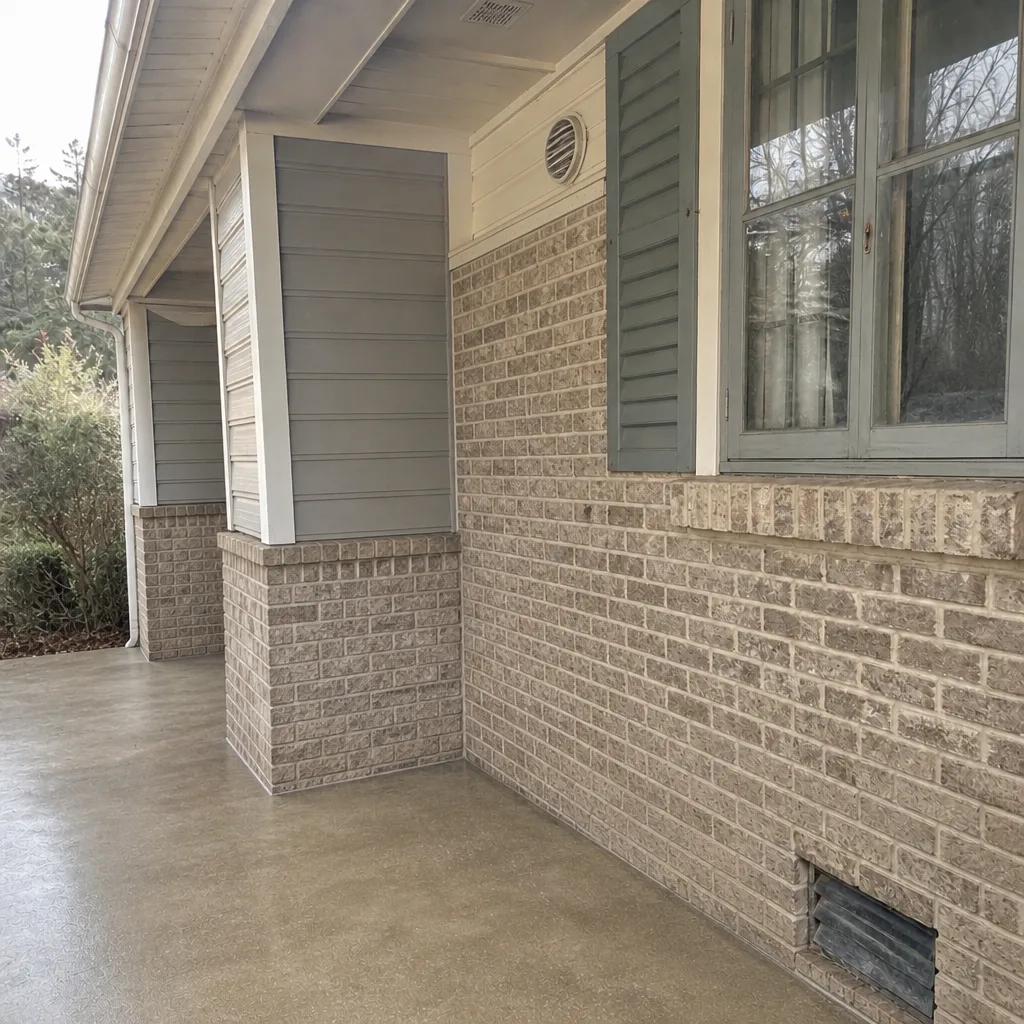
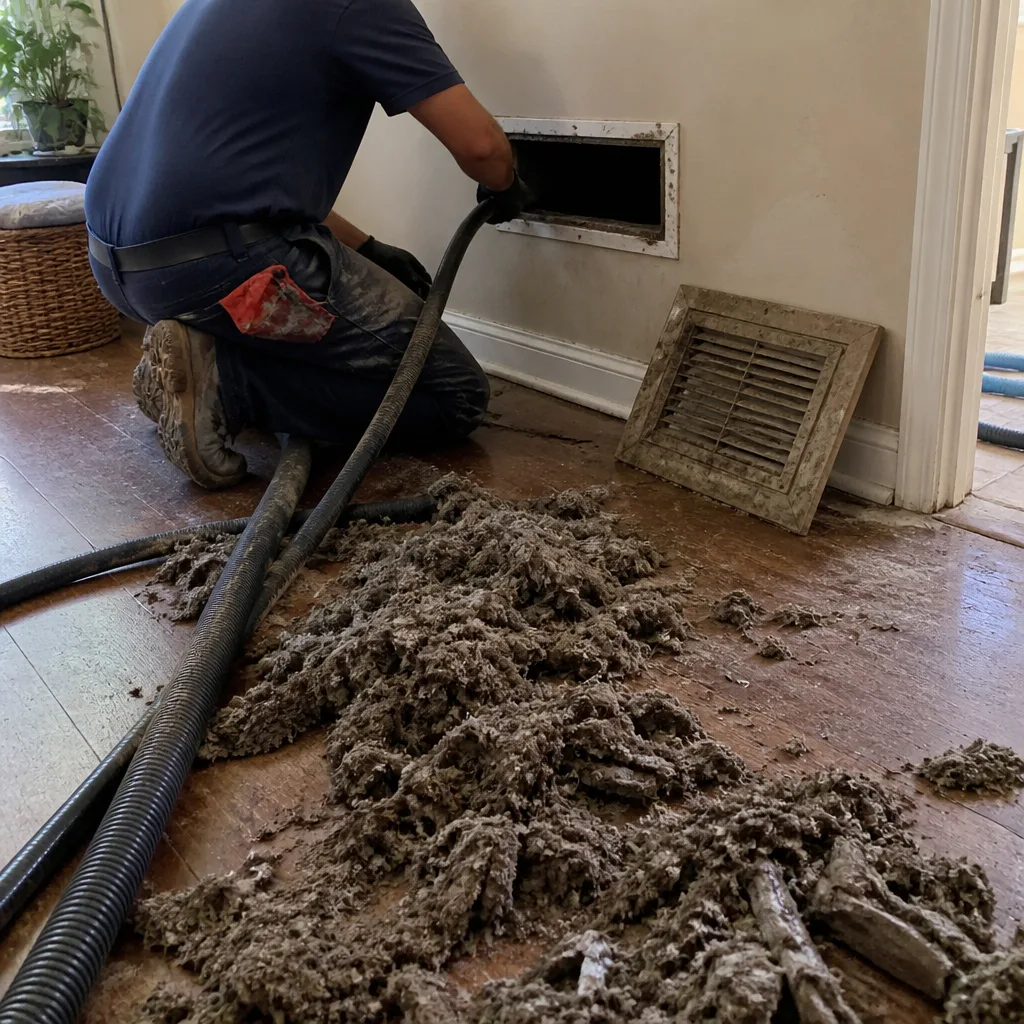
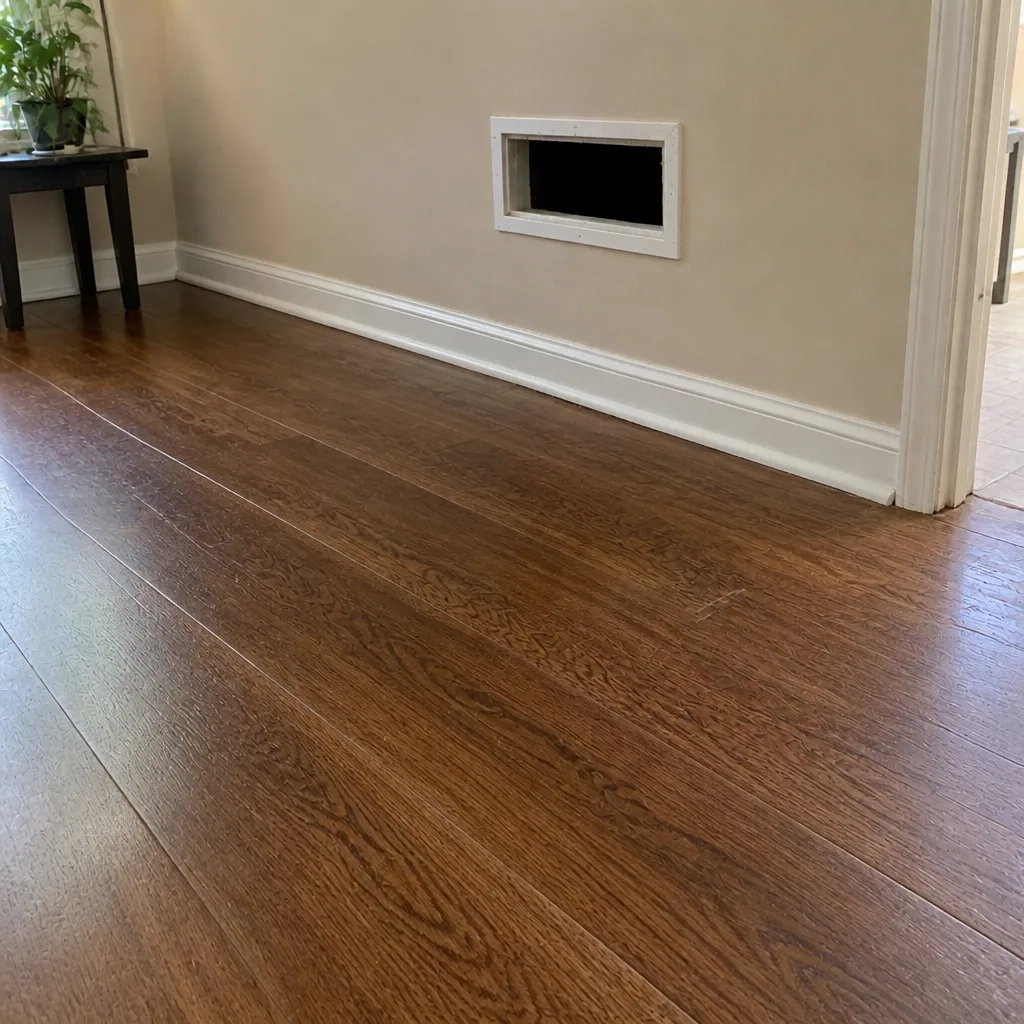
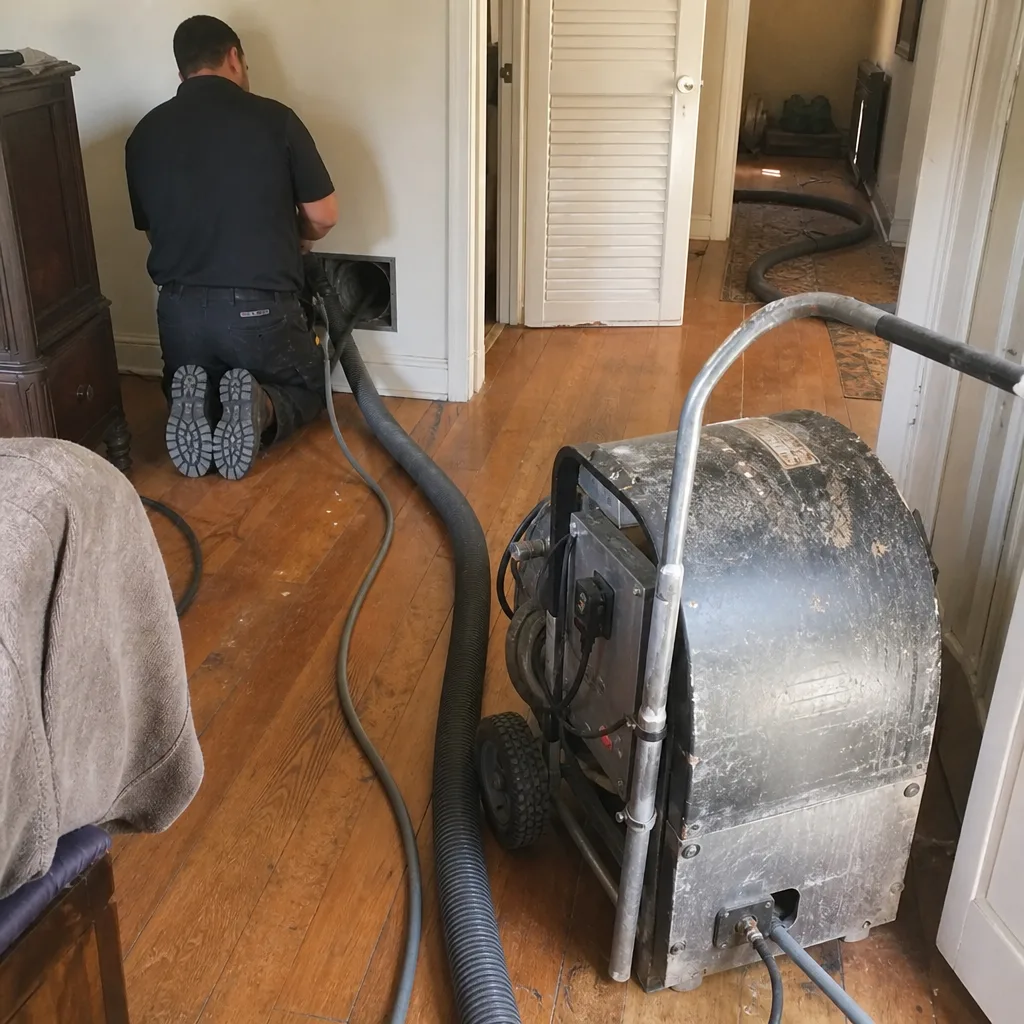
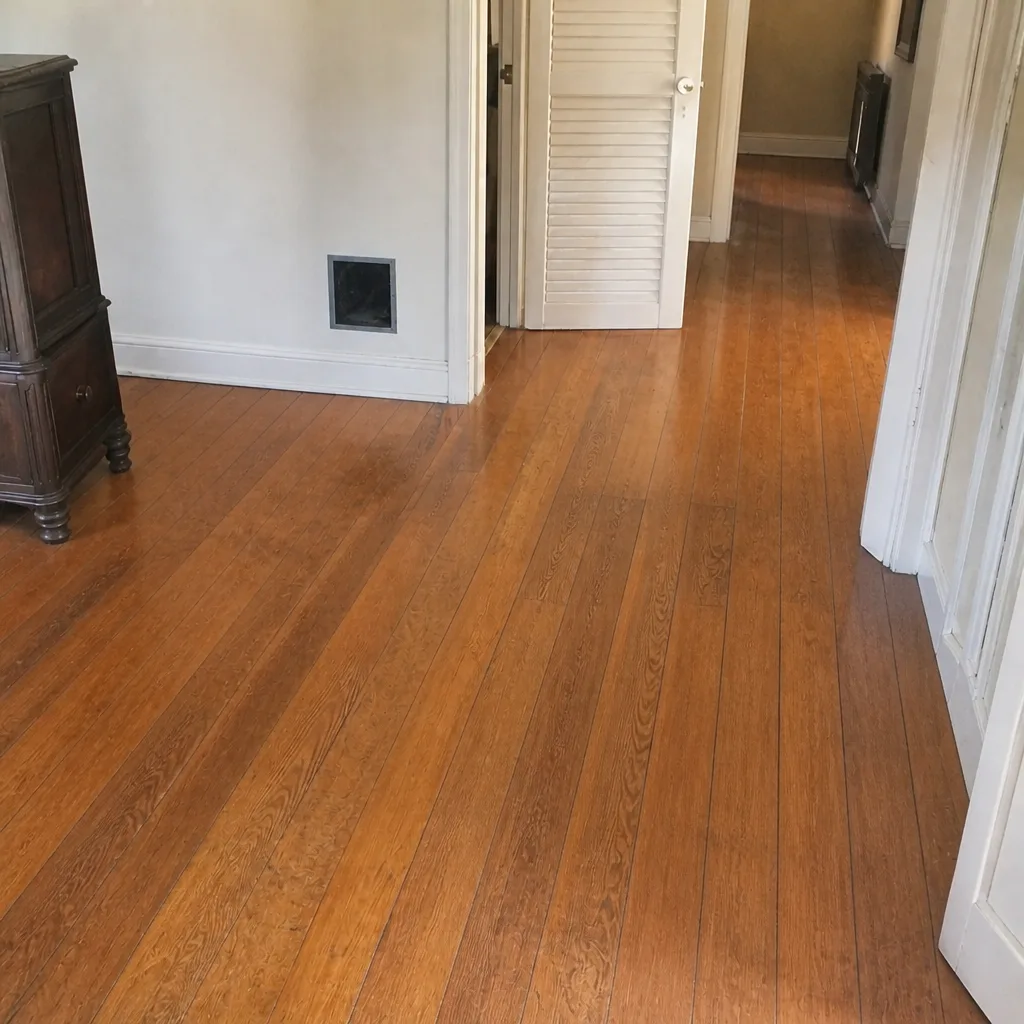
Whole-system duct and dryer vent check with before-and-after photos - you see exactly what came out of your vents
That "$99 whole-house special" is a bait ad - the real number appears once they are in your hallway, or the "clean" is a shop-vac at the register. We photograph the inside of your ducts before and after instead.
Air Duct Cleaning Emergency Preparedness Guide for Adams Farm Homes
Smoke odor that comes back a month after a house fire is almost never a cleaning failure in the room where the fire happened. It’s a duct system problem. Visible cleanup gets done, the walls get sealed, the furniture gets replaced, and then the HVAC kicks on and pushes smoke residue out of every branch of ductwork into rooms that were never touched by flame. Flooding and storm damage follow a similar pattern: the water gets extracted, and the contamination that traveled through the air handler keeps circulating. This guide covers what most duct cleaning pages skip: how to handle your duct system after fire, flood, or major storm damage in Adams Farm, what sequence to follow, what your insurance adjuster will want to see, and what you can safely do before a technician arrives.
Quick Answer
After a fire, flood, or severe storm, your duct system should be inspected before the HVAC is restarted, and cleaned after structural remediation is finished but before the system runs again. Water intrusion needs duct inspection within 48 to 72 hours. Post-fire duct cleaning almost always counts as a claimable item, but only with professional documentation. Get the sequence right and you avoid recontaminating a home you just spent weeks restoring.
Styles & brands we work with
- Whole-home duct cleaning
- Dryer vent cleaning
- Camera inspection
- Sanitizing & deodorizing
Table of Contents
- Post-Fire Protocol: Why Sequence Matters More Than Speed
- Flood and Water Intrusion: The 48-72 Hour Window
- Storm Debris and Outdoor Unit Damage
- What to Tell Your Insurance Adjuster
- Emergency Steps You Can Take Before We Arrive
- Why the Order of Work Matters in Adams Farm Homes
- What an Emergency Duct Inspection Actually Covers
- Rebuilding Air Quality After the Event
Post-Fire Protocol: Why Sequence Matters More Than Speed
Duct cleaning after a house fire has a specific correct order, and doing it out of order wastes money. The sequence is: structural remediation first, duct cleaning second, HVAC restart third. Skipping a step means contaminating a system you just paid to clean, or pushing soot back into rooms that were already restored.
Here’s why. Fire produces two kinds of residue that matter for ductwork: dry soot, which is comparatively easy to capture, and wet smoke residue, which is sticky, clings to flex duct interiors and fiberglass liner, and off-gasses for weeks. During structural remediation, contractors are sanding, drywall-replacing, and priming. All of that activity releases particles. If your ducts are cleaned before remediation finishes, those particles settle back into the freshly cleaned system and you’re back to square one.
Once remediation is complete, duct cleaning has to happen before the HVAC goes back into normal operation. Running the system pulls air through the ductwork and distributes whatever’s still sitting inside it. In our experience, that’s the single most common reason smoke odor returns weeks later: the system was restarted too soon.
The sequence, in order:
- Structural remediation and contents cleaning. Soot removal, drywall repair, priming, and sealing.
- Professional duct cleaning. Full-system cleaning with negative-air extraction and rotary brush equipment such as Rotobrush.
- Duct inspection and any needed repair or sealing. Fire can warp joints, loosen connections, and open seams that let contaminants back in.
- Sanitizing. A deodorizing treatment such as Guardsman targets the remaining odor compounds that cleaning alone can’t remove.
- HVAC restart and verification. Only after all of the above.
In Adams Farm, the sequence matters more than usual because so many homes have finished basements and conditioned crawlspaces where duct runs pass through spaces that get heavy smoke exposure. Those runs are easy to forget during remediation because they’re not visible in the main living areas.
Flood and Water Intrusion: The 48-72 Hour Window
Water in your ductwork is a different problem from smoke, and the clock runs faster. If your ducts took on water, you have roughly 48 to 72 hours before microbial growth in flex duct and fiberglass liner turns a cleaning job into a remediation job. Flex duct with standing water or saturated insulation rarely comes back with cleaning alone. Fiberglass duct liner that stays wet loses its integrity and becomes a growth medium.
What to expect in that window:
- First 24 hours. Water is still free in the duct. Extraction and drying are realistic. A technician can assess whether the duct is salvageable.
- 24 to 48 hours. Moisture has wicked into insulation and liner. Odor starts. The assessment becomes more serious, and sections may need to be replaced rather than cleaned.
- 48 to 72 hours. Microbial colonization is probable in wet flex duct. Cleaning alone won’t solve it, and you’re looking at section replacement plus cleaning and sanitizing the rest of the system.
The practical advice: don’t run the HVAC with water in the ductwork. Running it distributes moisture and any growth through the entire house and into the air handler. Keep the system off, call for an inspection, and let the assessment happen first.
Adams Farm’s housing mix includes a lot of homes with duct runs through unconditioned crawlspaces and attics, which is where water tends to collect after a burst pipe or a storm-driven intrusion. Those runs are the ones to check first, and the ones most likely to be missed in a general cleanup. If your home flooded during a heavy rain event, ask specifically about duct runs in the crawlspace before you assume they’re dry.
Storm Debris and Outdoor Unit Damage
Severe storms in Adams Farm cause two kinds of duct system problems, and only one gets noticed. The obvious one is water intrusion from rain driven through a roof or around a foundation. The one that surprises people is outdoor unit damage. When a condenser unit takes a hit from wind-driven debris, branches, or a falling limb, the damage usually doesn’t stop at the condenser coil.
Here’s what happens. Debris that reaches the condenser can bend fins, crack the coil housing, and loosen the connections between the outdoor unit and the cabinet. Debris that reaches the air handler, usually through a damaged return opening or a displaced cabinet panel, gets drawn directly into the return duct and distributed through the entire system. Small particles settle in every branch. Larger pieces lodge at fittings. Insects and moisture follow.
What to check after a storm, without touching the equipment:
- Look at the outdoor condenser. If it’s visibly bent, displaced, or has debris sitting against it, don’t run the system.
- Check the return air opening inside the house. If a panel is loose, missing, or displaced, don’t run the system.
- Smell the air near registers the first time you turn the system back on. A musty or dusty smell means something got in.
- Look for visible debris at registers. If you see leaves, grit, or fine sediment at more than one register, the return duct has taken on material.
- Have the outdoor unit inspected as part of a broader HVAC assessment, not just a repairs call.
If you’re scheduling work anyway, it makes sense to combine it with routine air duct cleaning so the whole system gets assessed at once.
What to Tell Your Insurance Adjuster
Duct cleaning after a covered event is typically a claimable item. Most homeowners don’t know that when they file the claim, and they leave it off the itemized list. That’s a costly omission, because post-event duct cleaning often runs into the hundreds or more, depending on system size and contamination level.
Documentation is the whole game. An adjuster needs to see a specific description of what happened, what was cleaned, and what it cost. General invoices get challenged. Detailed documentation gets approved.
What to have ready when you file:
- Before photos. Photos of any visible contamination at registers, at the air handler, and at the outdoor unit if there was storm damage.
- A written scope of work. Not just “cleaned ducts” but the specific services performed, the equipment used, and the reason for each step.
- After photos. We include before-and-after photos of your own system in the documentation. Adjusters respond to specific evidence.
- A plain-language statement of cause. One paragraph explaining how smoke, water, or debris entered the ductwork and why cleaning was necessary.
- Any sanitizing or repair documentation. If duct repair, sealing, or a sanitizing treatment was part of the job, that step is documented separately.
When you call us after a covered event, tell us you’re filing a claim. We’ll set up the documentation to match what your adjuster needs. We don’t bill insurance directly, but we can work with your insurer on the paperwork and supply everything your adjuster asks for.
Emergency Steps You Can Take Before We Arrive
Watching the air system circulate contamination while you wait for a technician is frustrating, and there’s a small amount you can do about it. These are safety steps, not repairs, and they’re safe to perform yourself.
- Shut down the HVAC system. Turn it off at the thermostat. For a real physical cutoff, turn off the breaker that feeds the air handler. Don’t open the air handler itself.
- Block the registers. For contamination indoors, covering supply registers with plastic sheeting taped at the edges is a reasonable short-term measure. It keeps the system from pushing contamination out into rooms while it’s off.
- Close up the return. If you can safely cover the return air grille without blocking a fresh-air intake, do it. This reduces the entrance point for airborne debris.
- Keep people and pets out of affected rooms. Especially children, older adults, and anyone with asthma or allergy issues.
- Ventilate the rest of the house separately. Open a window in an unaffected room if the outdoor air quality allows it. Don’t rely on the central system to move air.
What not to do: don’t open the air handler, don’t remove duct sections, and don’t try to clean anything inside the ductwork yourself. Wet duct material and fire-damaged duct material aren’t do-it-yourself territory. A shop vacuum and a brush reach nothing useful and can push contamination deeper into the system.
Why the Order of Work Matters in Adams Farm Homes
Adams Farm has a housing stock that makes the timing problem worse than it is in a lot of neighborhoods. Homes here have a mix of finished basements, conditioned crawlspaces, and duct runs through attic space. When smoke or moisture enters the system, it distributes across all of those zones. Parts of the system are behind finished walls, parts run through unconditioned space, and parts are visible in the basement where the furnace and air handler sit.
What that means for sequence:
- Basement and crawlspace runs need to be assessed first. These are where moisture collects and where smoke residue is hardest to see.
- Attic runs need the outdoor unit checked before the ducts are cleaned. If the condenser is damaged, the ducts will just get contaminated again on restart.
- Finished spaces need duct repair and sealing as part of the cleaning. Homes here often have duct seams and joints that seal reasonably well when new but open up over time. After a fire or flood, those are the entrance points for contaminants coming back in.
- Sanitizing is not optional after a covered event. Cleaning removes physical contamination. A Guardsman treatment targets the odor compounds and surface microbes that cleaning leaves behind.
Also worth knowing: an Adams Farm home that was already showing a “dusty” smell or visible dusty register streaks before the emergency almost always has a duct issue that predates the event. Cleaning after a fire or flood is the right time to address both problems, since the system is getting opened up anyway. That applies whether you’re working with us directly or comparing air duct cleaning Adams Farm options broadly; make sure the assessment covers duct repair and sealing, not just cleaning.
What an Emergency Duct Inspection Actually Covers
An emergency inspection after a covered event is more than a visual check. It’s a specific sequence of assessments that tells you what’s contaminated, what’s salvageable, and what needs to be replaced rather than cleaned.
What we assess during an inspection:
- The air handler cabinet. Look for visible contamination, moisture, or debris that got past the return grille.
- The main supply and return trunks. The large runs are where visual contamination is easiest to see and where water tends to pool.
- Branch runs and flex duct sections. Where microbial growth shows up first after water intrusion. Flex duct with saturated insulation is the most likely section to need replacement.
- Duct joints and seams. Look for warped, opened, or disconnected joints. Fire and water both loosen joints.
- The outdoor unit. For storm events, check the condenser and connections.
- The dryer vent line. If the damage included a fire, this line is worth checking even if the fire wasn’t dryer-related. If it was, that’s a separate but related conversation. Routine dryer vent cleaning handles lint accumulation, but fire damage to a vent line is a different scope.
The inspection determines whether the job is cleaning-only or cleaning-plus-replacement. The written estimate follows from the inspection, and the price you see on the estimate is the price for the job. No surprises later.
Our technicians have up to 11 years of experience with the full range of post-event duct conditions, and the equipment we use is the same Rotobrush and Nikro system used in commercial work, not a consumer-grade vacuum dressed up as one.
Rebuilding Air Quality After the Event
Cleaning, repair, sealing, and sanitizing handle the emergency. Rebuilding air quality for the long run is a separate conversation, and it’s the part most homeowners skip because they’re exhausted by the time the cleanup finishes.
The air quality upgrade conversation usually includes:
- Whole-home filtration. brands like Aprilaire and Honeywell make media filters and filtration cabinets that fit standard HVAC return configurations. These capture fine particles that a standard filter doesn’t.
- Post-event air scrubbing. Abatement Technologies makes equipment used during active remediation to capture particles at the source. It’s worth asking whether that equipment was part of the structural cleanup.
- Sanitizing as a finishing step. A Guardsman treatment after cleaning addresses residual odor compounds and surface microbes. It’s not a substitute for cleaning but a finishing step on top of it.
- HVAC cleaning. Cleaning the coil and blower as part of the same visit makes sense after a covered event. Contaminants that reached the coil need to come off before the system runs normally again. Our HVAC cleaning service covers this.
The reason we push for the whole scope in one call is simple: every professional who touches the system has to coordinate with the others, and split responsibility means the pieces don’t line up. One provider covering cleaning, repair, sealing, dryer vents, and sanitizing means the sequencing happens once, in the right order, without you being the project manager.
Common Mistakes to Avoid
- Restarting the HVAC before duct cleaning. This is the single biggest mistake after a fire. The system immediately distributes whatever is still inside the ductwork. Keep it off until cleaning and inspection are done.
- Skipping the duct inspection after water intrusion. Homeowners see the water get extracted and assume the ducts are fine. Flex duct with wet insulation looks normal from the outside. The 48 to 72 hour inspection window is real, and after it closes the scope changes.
- Filing the insurance claim without documentation. A generic “duct cleaning” invoice gets challenged. Before and after photos, a written scope, and a statement of cause are what get it approved. Tell the contractor you’re filing a claim.
- Hiring whoever shows up first. In Adams Farm, after a major storm, out-of-area companies move through neighborhoods offering quick duct cleanings. Ask specifically what equipment they use. If the answer is a shop vac and a brush, that’s not a system cleaning.
- Treating duct repair and cleaning as separate jobs. Cleaning without repairing the leaks that let contaminants in is a half-job. After a covered event, those leaks are often warped joints or disconnected seams that the event created.
- Trying to clean the ductwork yourself. A shop vacuum reaches nothing useful and a brush on a pole just pushes contamination deeper. Wet and fire-damaged duct material isn’t safe to handle without proper protection.
- Skipping sanitizing. Cleaning removes physical contamination. It doesn’t neutralize the odor compounds and surface microbes that remain. That step is what stops smoke odor from coming back weeks later.
See the difference
 Before
 After
 Before
 After
 Before
 After
When to Call a Professional
The cases that need professional attention after an emergency event in Adams Farm are specific: any fire in the home, any water intrusion that reached the ductwork or the air handler, any storm damage to an outdoor unit, and any situation where you can smell smoke, dust, or mustiness inside the ductwork. Those are the four buckets where a shop-vac-and-brush service can’t help.
Also call us if your insurance adjuster has asked for documentation and you don’t have it. We can put together the written scope, before-and-after photos, and cause statement that your adjuster needs.
Air Duct Cleaning Adams Farm offers free estimates in Adams Farm. Call (877) 770-1927. We answer 24/7. Fast dispatch from 7am to 7pm, Sunday through Friday, with same-day service when scheduling allows. The estimate is free, the price is set per job in writing, and you’ll see before-and-after photos of your own ducts when the work is done.
Frequently Asked Questions
It depends on system size, the number of duct runs, how long contamination has been in place, and whether sections need replacement. Whole-home cleaning with sanitizing typically runs in the several-hundred-dollar range, and post-fire jobs that include duct repair and sealing push higher. For a post-flood job where flex duct has to be replaced, expect a wider range. Every price is set per job in the written estimate. Call (877) 770-1927 for a free estimate specific to your home; the estimate is free and the price won’t change after work starts.
No, not until the ductwork has been cleaned and inspected. Running the system after a fire circulates smoke residue back into every room. Running it after a flood distributes moisture and any microbial growth through the air handler. Running it after a storm event that damaged the outdoor unit risks pushing debris deeper into the system. Shut the system off at the thermostat, and if you can, at the air handler breaker. Then call for an inspection.
Post-event duct cleaning is typically a claimable item, but only with professional documentation. Bring your adjuster a written scope of work, before-and-after photos of your own ducts, and a plain-language statement of cause. We don’t bill insurance directly, but we can work with your insurer and provide the documentation they ask for. Ask for it when you call.
Check three things. Look for visible contamination (dust streaks, grit, soot) at more than one register. Smell the air the first time you consider turning the system back on. And check whether the return grille, air handler cabinet, or outdoor condenser has visible debris. If any of those show a problem, the system needs a professional assessment. A single register with some dust isn’t the same thing as system contamination.
Because the ductwork wasn’t cleaned, or because it was cleaned out of sequence. Smoke residue sticks to the inside of flex duct and fiberglass liner and off-gasses for weeks. Cleaning before structural remediation finishes lets new particles settle back in. Restarting the system before duct cleaning distributes the residue again. The fix is a cleaning followed by a sanitizing treatment, done after remediation finishes and before the HVAC goes back into normal operation.
Cleaning removes physical contamination: soot, dust, debris, and other particulate matter, using rotary brush and negative-air extraction equipment such as Rotobrush. Sanitizing is a separate finishing step that addresses residual odor compounds and surface microbes after cleaning. The two are usually scheduled together after a covered event because cleaning alone won’t stop odor from returning. Ask specifically about the sanitizing step when you’re comparing estimates; it’s the step most companies skip.
The Bottom Line
Emergency duct response after a fire, flood, or storm is a sequencing problem more than a cleaning problem. Get the order right: structural remediation first, duct cleaning second, HVAC restart last. Water intrusion is a 48-to-72-hour clock. Post-fire duct cleaning is claimable with proper documentation. Storm damage to the outdoor unit is an entrance point most homeowners miss. Shut the HVAC off while you wait, block the registers, and don’t open the air handler yourself. Then call a professional with the equipment and process to handle the full system, not just the visible parts. One provider covering cleaning, repair, sealing, dryer vents, and sanitizing keeps the sequence right.
Call Air Duct Cleaning Adams Farm at (877) 770-1927 for a free estimate. We answer 24/7. Fast dispatch from 7am to 7pm, Sunday through Friday, with same-day service when scheduling allows.
Written by the team at Air Duct Cleaning Adams Farm.