
Last updated November 23, 2026
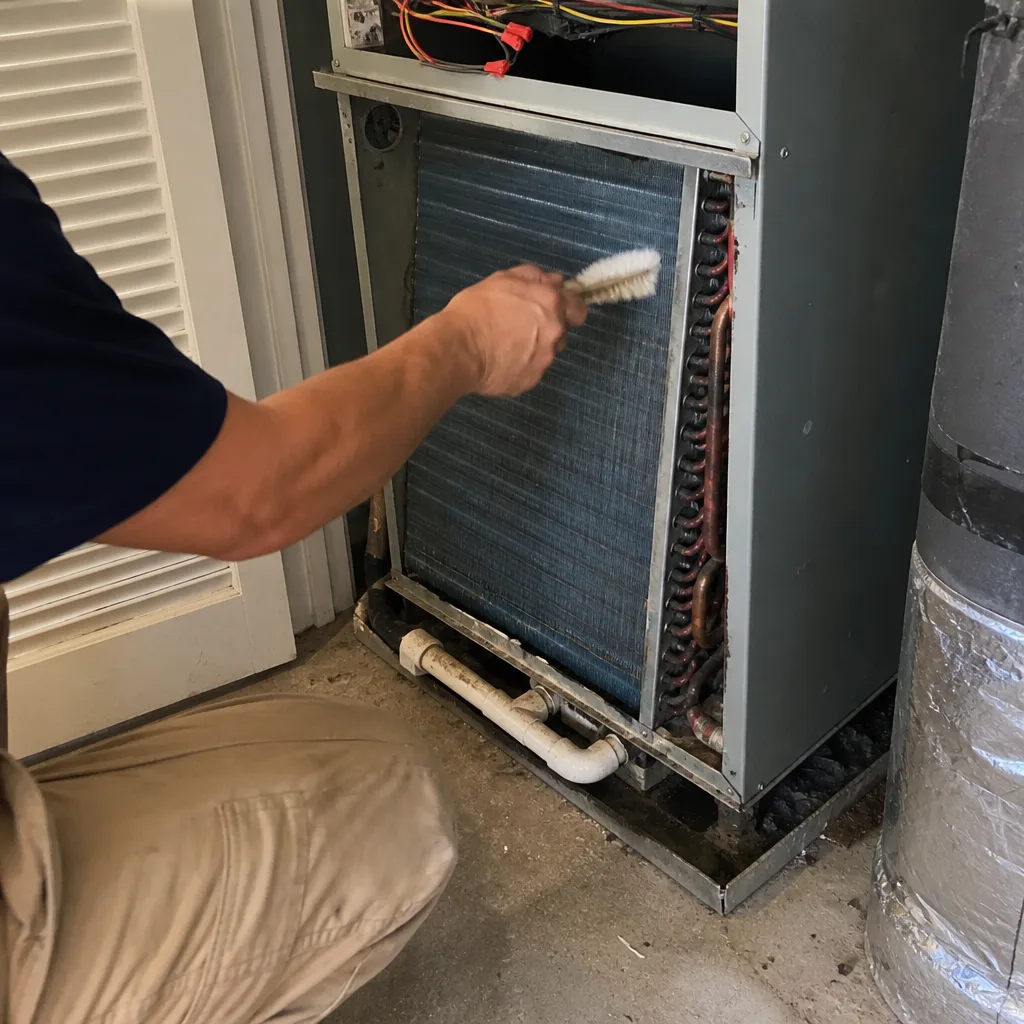
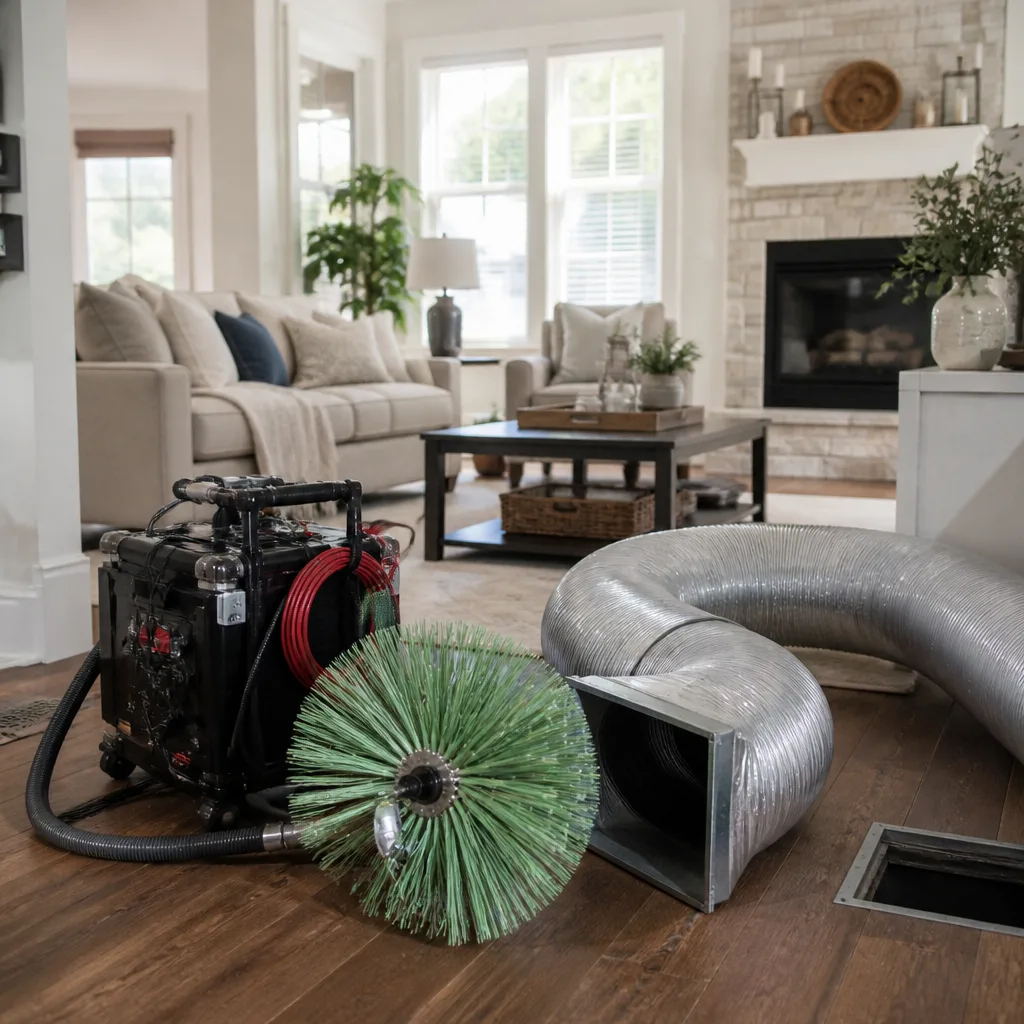 Whole-home duct cleaning
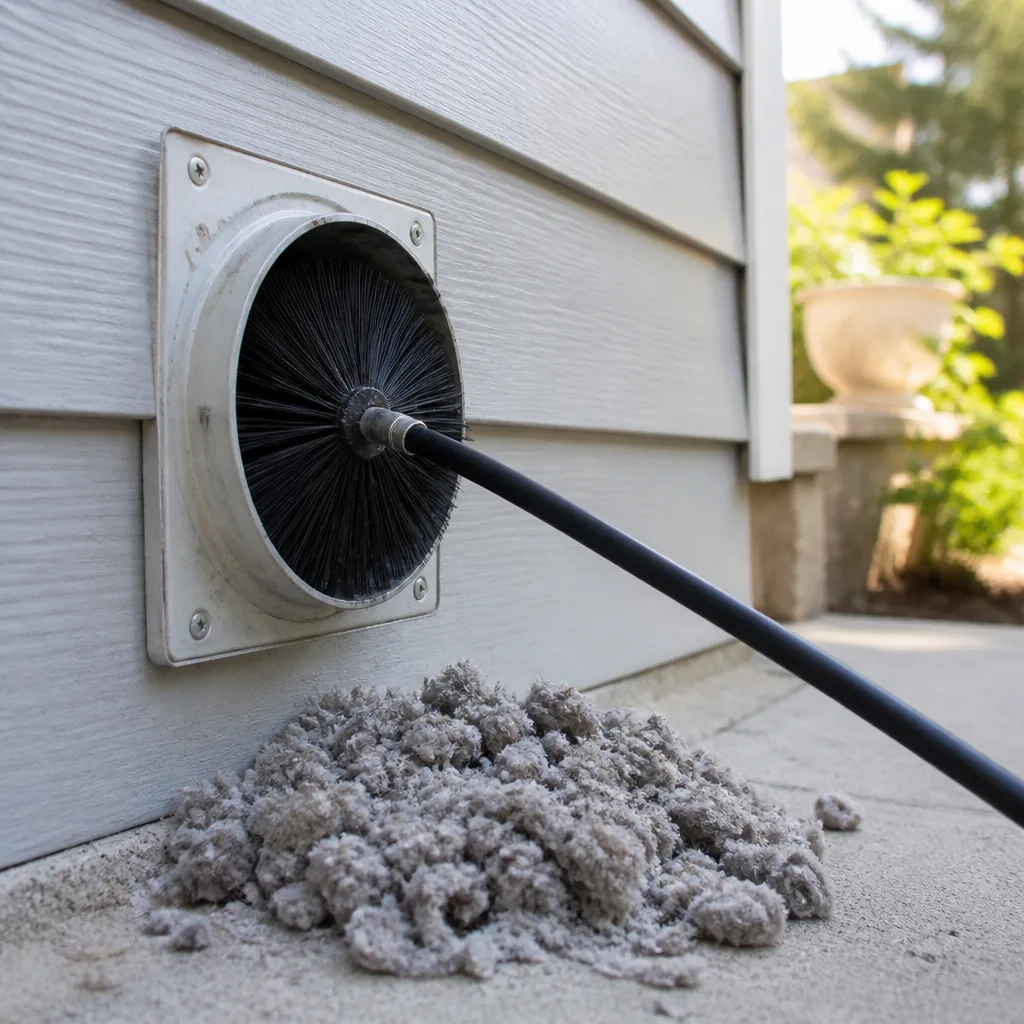 Dryer vent cleaning
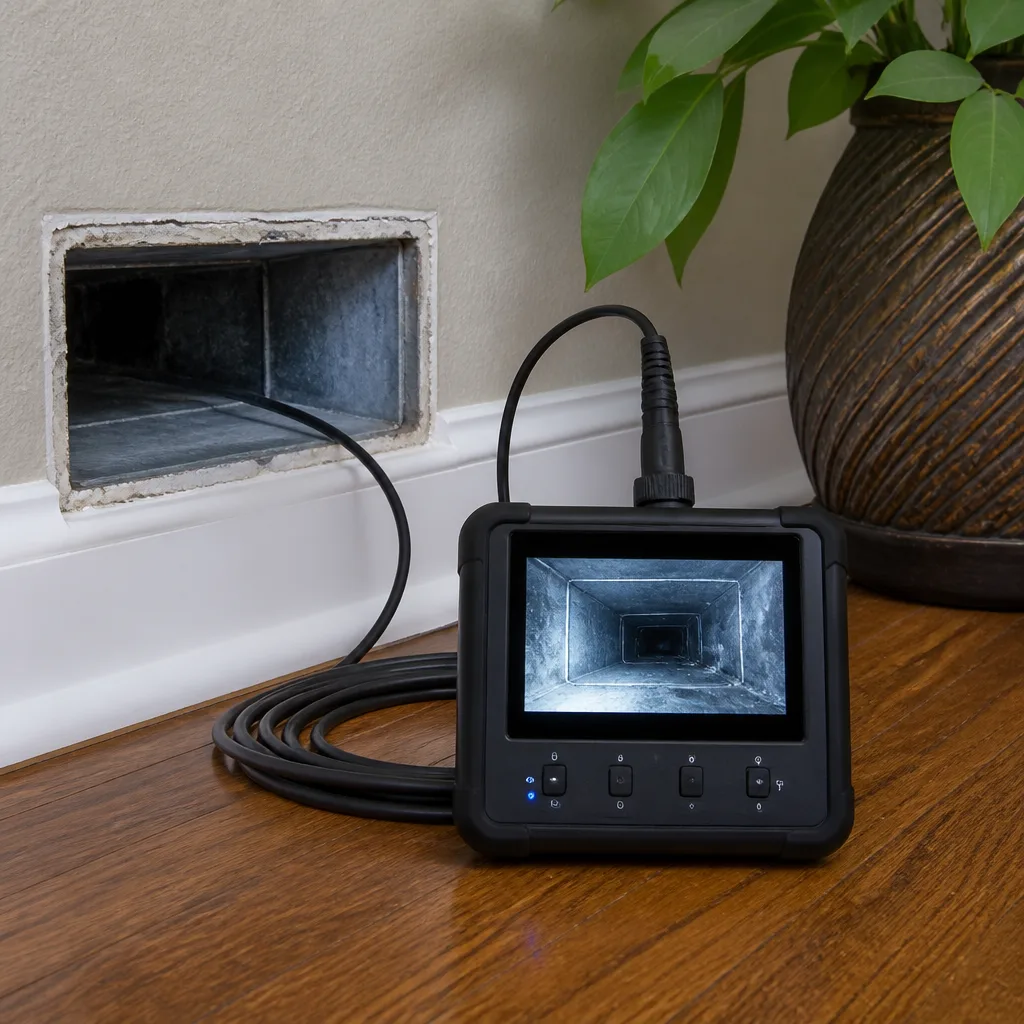 Camera inspection
 Sanitizing & deodorizing
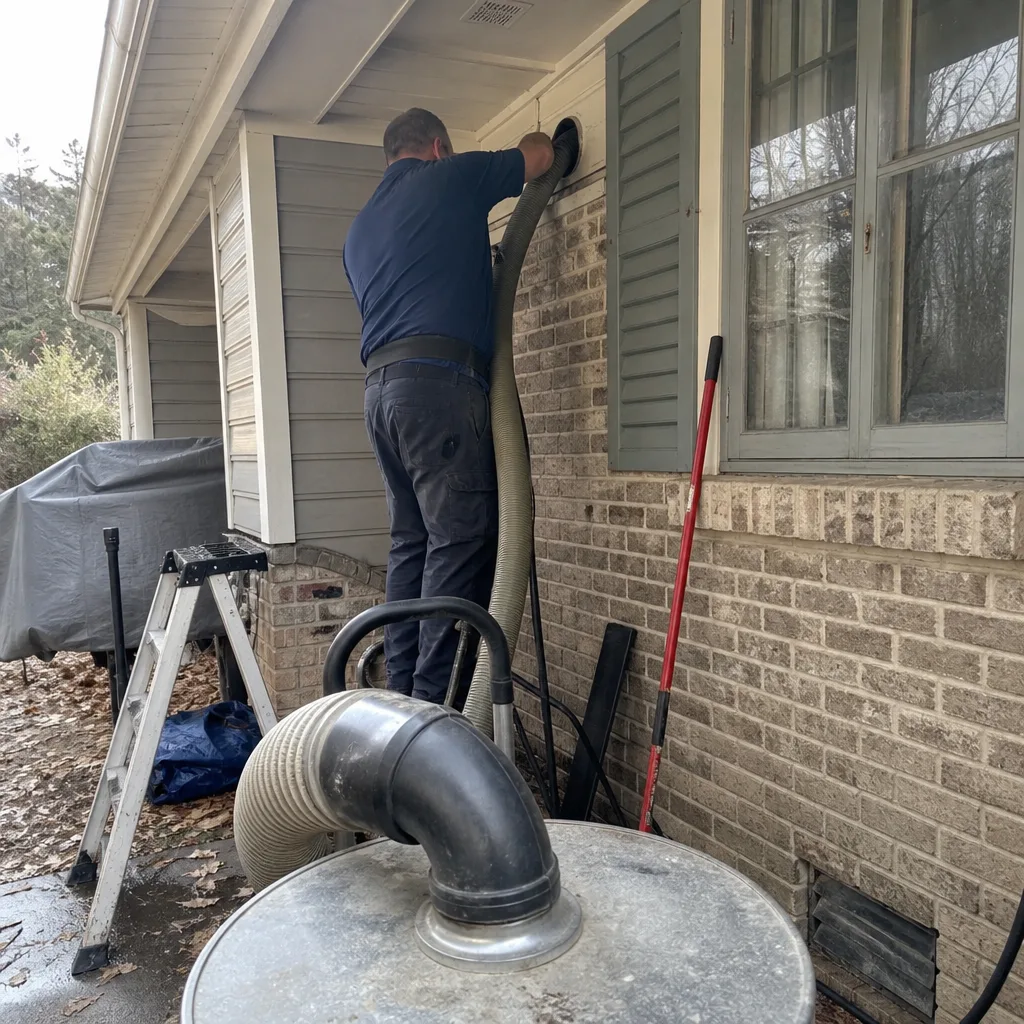
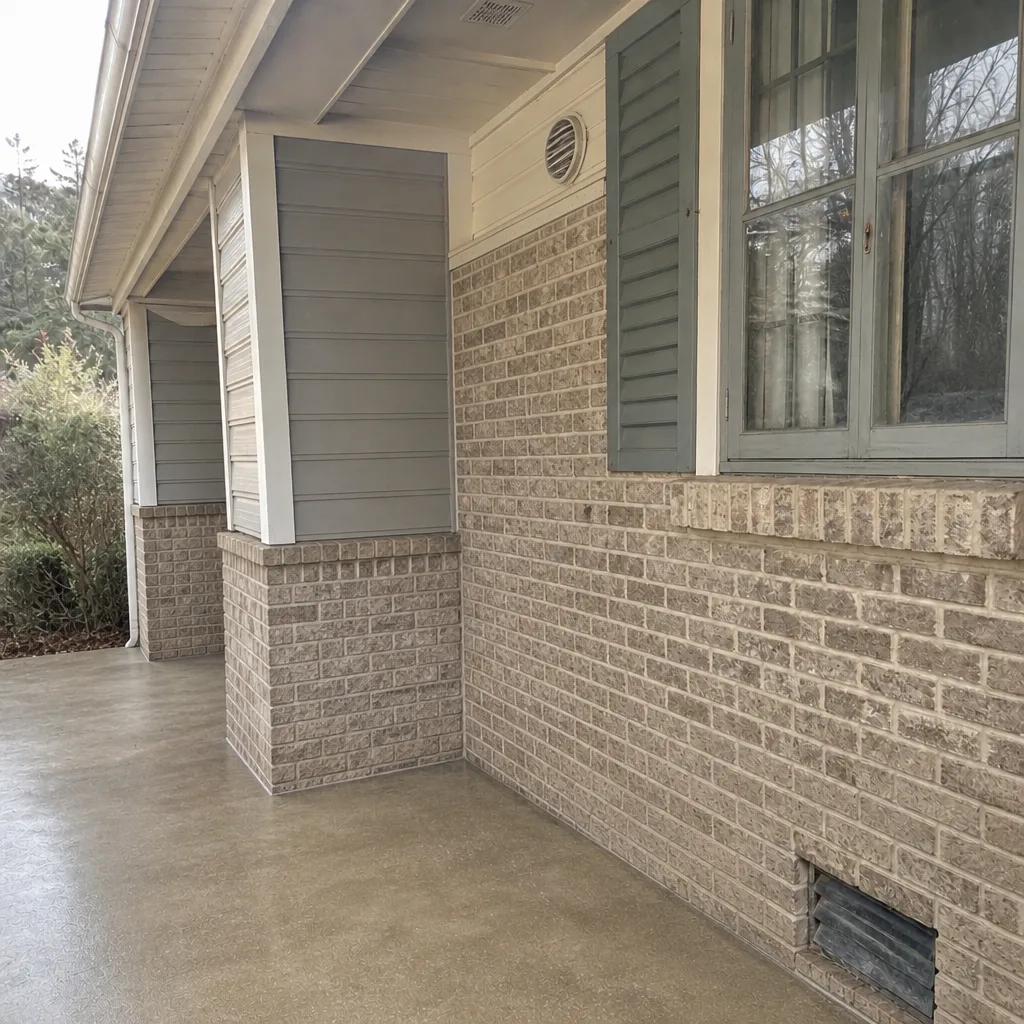
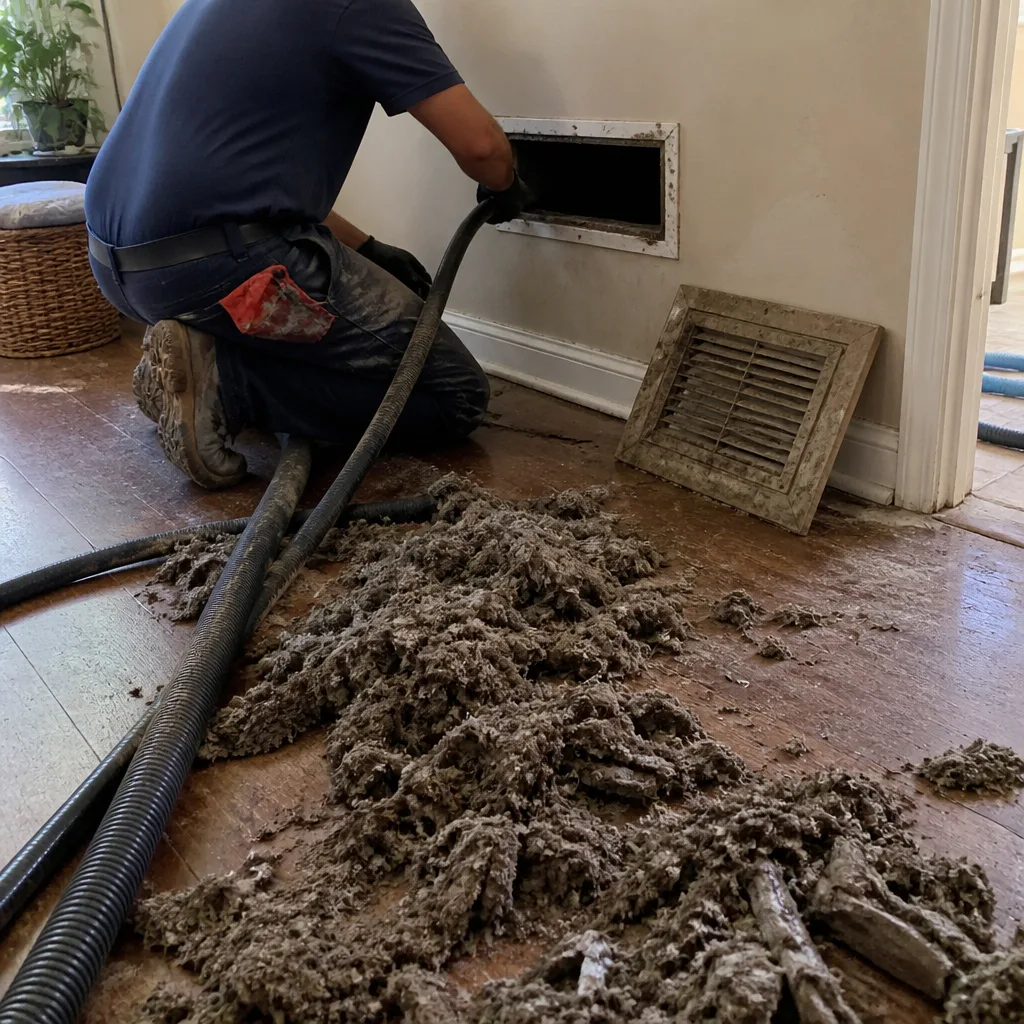
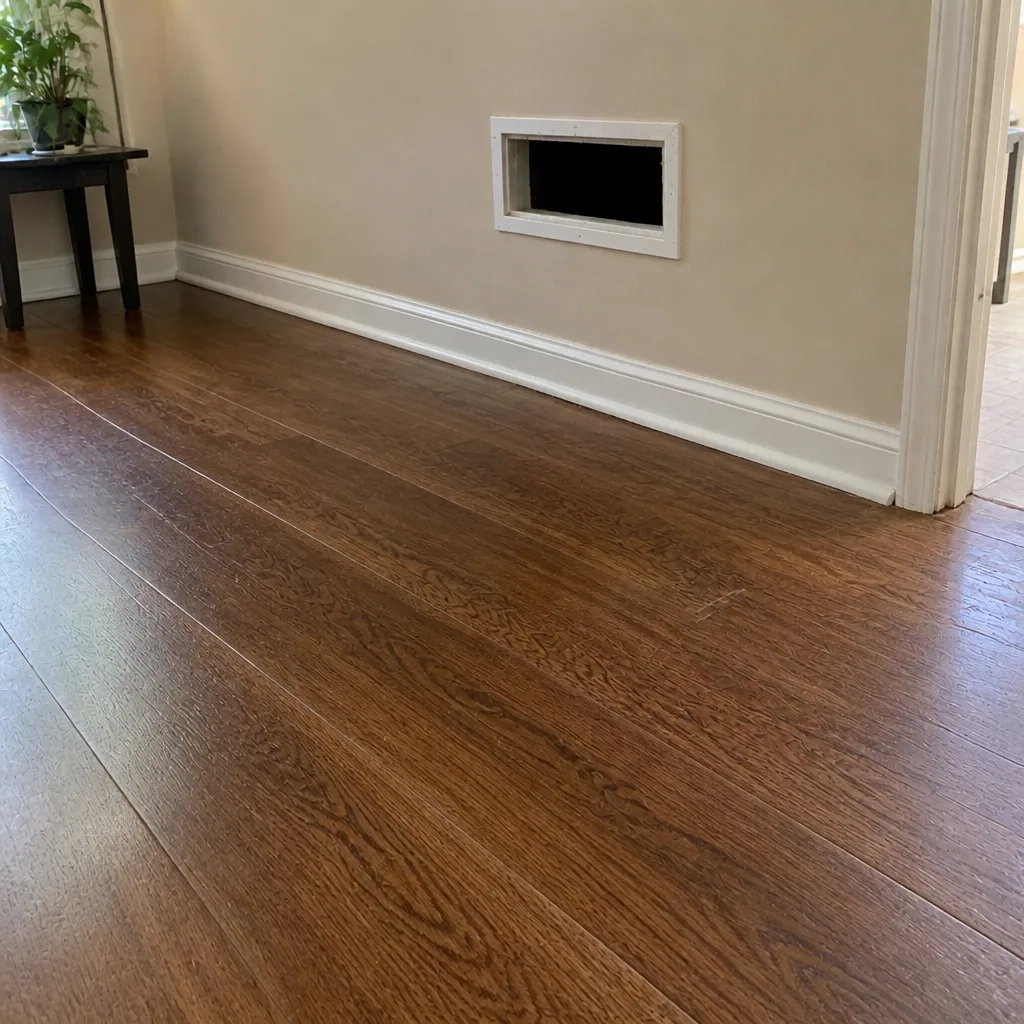
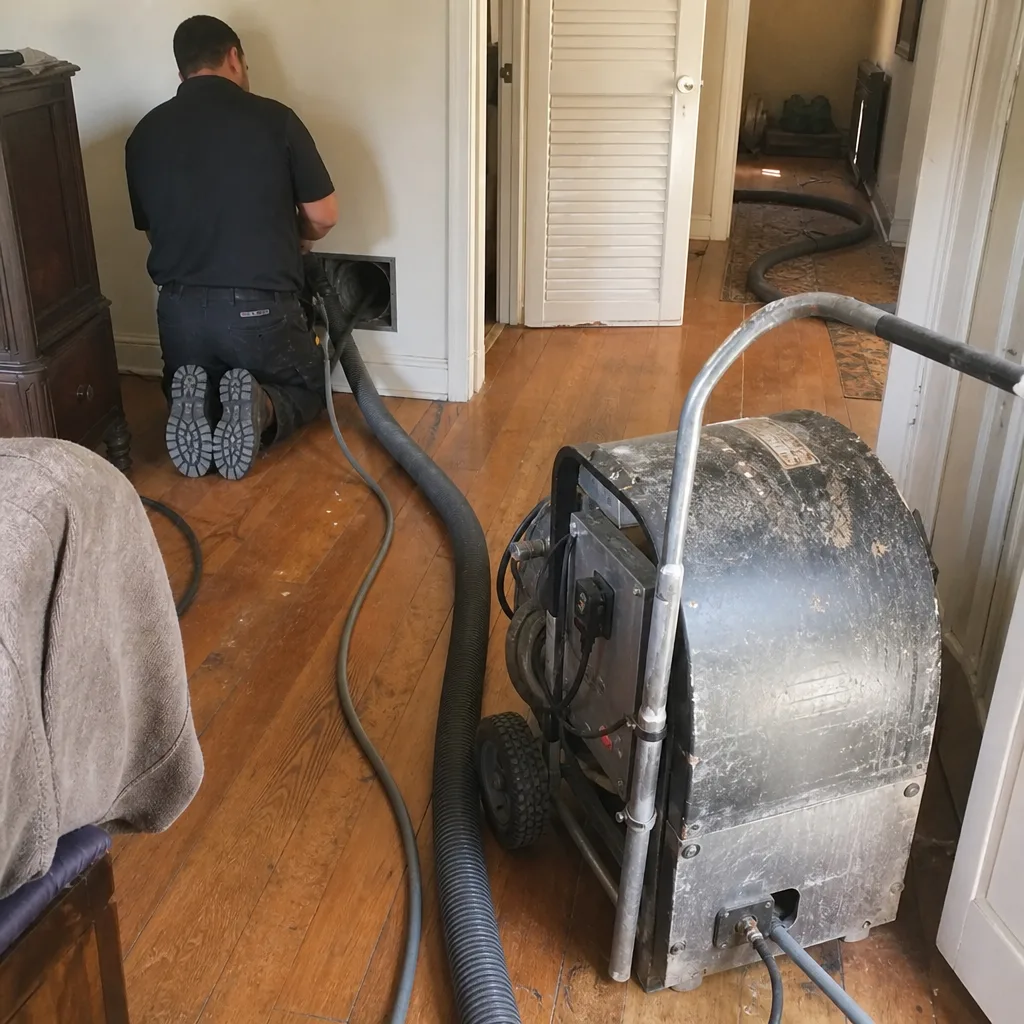
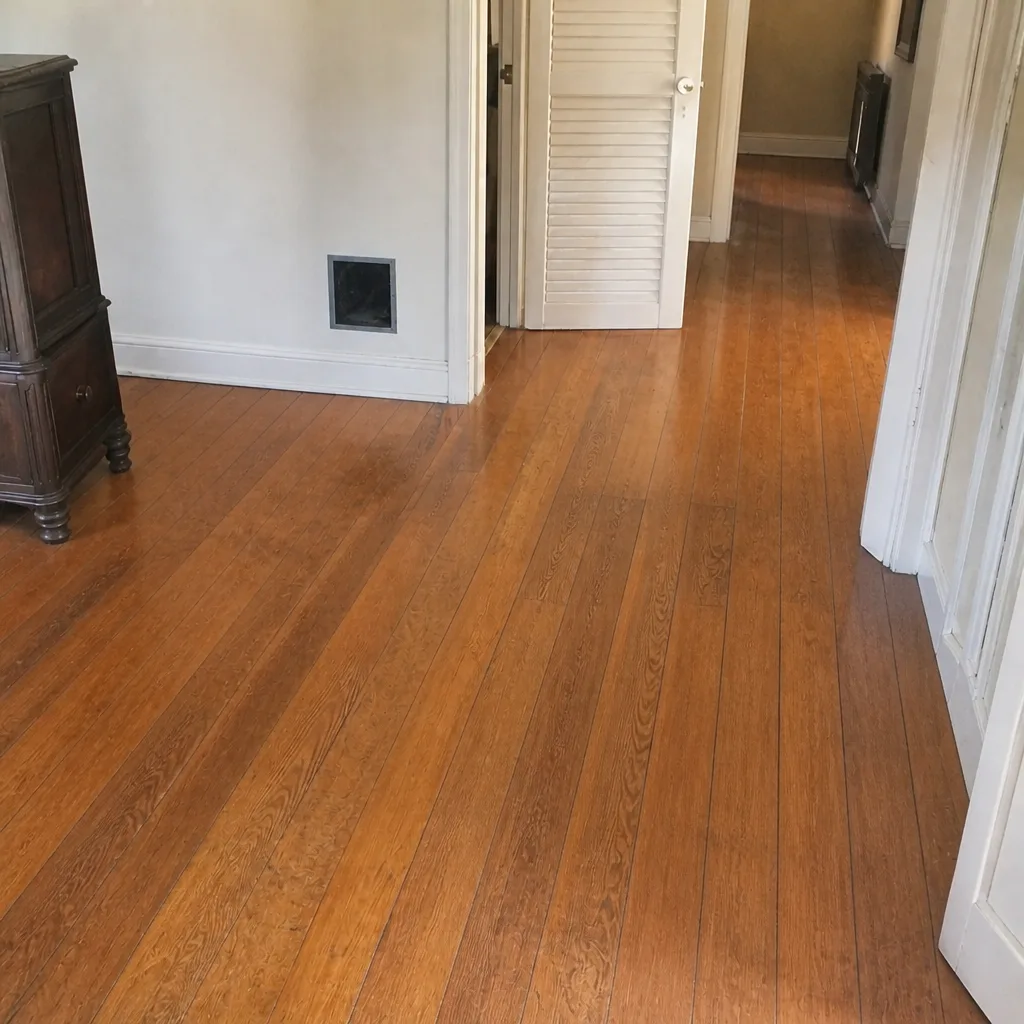
Whole-system duct and dryer vent check with before-and-after photos - you see exactly what came out of your vents
That "$99 whole-house special" is a bait ad - the real number appears once they are in your hallway, or the "clean" is a shop-vac at the register. We photograph the inside of your ducts before and after instead.
Air Duct Cleaning Maintenance Checklist for Adams Farm Homeowners
A clogged HVAC filter at the 60-day mark, when you expected it to last 90, isn’t a filter brand problem. It’s a symptom. Your duct system is telling you something, and most homeowners miss the signal entirely because they only look at the furnace when something breaks. In our experience, the homes that avoid big air quality problems are the ones whose owners check a few simple things between professional visits. This guide gives you a checklist you can actually use: monthly checks, quarterly checks timed to Adams Farm’s pollen seasons, annual professional triggers, and a photo log most homeowners never think to create.
Quick Answer
A workable duct maintenance checklist for Adams Farm homes has three parts: monthly checks of register dust, filter load rate, and musty odor after HVAC startup; quarterly checks tied to spring tree pollen and fall ragweed; and an annual professional assessment, moved up whenever a renovation, new pet, water intrusion, or HVAC replacement gives you a reason. The checklist catches early warning signs between visits. It doesn’t replace professional cleaning.
Styles & brands we work with
- Whole-home duct cleaning
- Dryer vent cleaning
- Camera inspection
- Sanitizing & deodorizing
Table of Contents
- Why a Checklist Works Better Than a Reminder
- Monthly Checks You Can Do in Twenty Minutes
- Quarterly Checks Tied to Adams Farm’s Pollen Seasons
- Annual Professional Triggers: When to Book
- How to Build a Photo Log of Your Duct Condition
- Checklist Items vs. Professional Trigger Items
- Filter Load Rate: The Underrated Signal
- Leaks, Sealing, and What Cleaning Can’t Fix
- Common Mistakes to Avoid
- When to Call a Professional
Why a Checklist Works Better Than a Reminder
Most homeowners treat duct cleaning as a calendar item: book it every few years and forget it. That approach misses what a duct system actually does over time. If you want the background on the service itself, our air duct cleaning page covers the full process. This guide is about what happens between those scheduled visits.
A checklist turns your observations into data. When you note that a register in a bedroom collects dust faster than the others, or that the return grille looks gray three weeks after you wiped it, you’re building a record. That record tells a technician where to look and tells you when to move a service call forward. It also separates normal accumulation from a developing problem.
Adams Farm homes sit in a part of North Carolina that loads ducts seasonally: heavy tree pollen in spring, ragweed into fall, and long stretches of closed-window weather in summer and winter that push everything through the filter instead of letting it move outside. A checklist built around those cycles makes more sense than a generic annual reminder that ignores local timing.
Another reason to keep written observations: duct problems rarely announce themselves. Contamination accumulates out of sight past the first bend, airflow drops a little at a time, and leaks open slowly. By the time a homeowner notices a room that won’t cool, several smaller issues have usually stacked up. The checklist catches them in order.
Monthly Checks You Can Do in Twenty Minutes
These three checks take less time than a coffee break and catch most early warning signs. Do them at the same point each month so the comparison means something.
1. Register dust accumulation
Look at the supply registers in each room, and check the return grilles separately because return air carries more debris. You’re looking for a gray or black film on the face and inside the louvers. Light, even dusting is normal. Uneven build-up, streaks, or a fuzzy edge on the vanes suggests something upstream is shedding.
2. Filter load rate
Note the date you installed the filter and the date it starts looking loaded. That interval is your load rate. If a filter that used to run 90 days is finished at 60, the duct system is moving more particulate than it was. Write the dates down. Memory distorts this one.
3. Musty odor after HVAC startup
Stand near a register the first time the system kicks on for the day and pay attention to the smell. A brief, faint smell at the start of a heating season is common. A musty or damp smell that returns every startup, or lingers after the blower has run a while, points to moisture somewhere in the system. Moisture is the one thing you don’t wait on.
Record all three observations in one place, whether that’s a note on your phone or a sheet on the fridge. Three months of consistent notes is worth more than a strong memory of how things usually look.
Quarterly Checks Tied to Adams Farm’s Pollen Seasons
Seasonal timing matters more here than in a lot of places. Adams Farm’s spring brings a heavy tree pollen load, and the fall ragweed season follows. Both visibly accelerate what collects in ducts and on registers, especially in homes that open windows in the shoulder seasons.
Spring, after tree pollen peaks
- Wipe the return grille and check the cloth. The color tells you more than a visual pass on a dusty grille.
- Check your filter load rate against the winter number. A shorter interval after pollen season is expected.
- Look for pollen dusting on horizontal surfaces near registers, which indicates supply air is carrying particulate into the room.
- If anyone in the household has seasonal allergies, note whether symptoms track with the system running.
Fall, during and after ragweed
- Repeat the register wipe. Fall accumulation looks different from spring, often finer and darker.
- Check exterior vents and the air intake area for leaves and debris that can pull material into the system.
- Inspect the dryer vent run for lint build-up before cold weather sets in, since dryer vent cleaning is a fire-safety matter, not just a performance one.
- Note any rooms that cool or heat less evenly than they did in spring.
Winter and summer
Closed-window seasons concentrate everything inside. Check filters more often during long run periods, and watch for condensation on registers or nearby surfaces, which can point to a humidity problem feeding the ductwork. If your system has a humidifier or air quality component, this is the time to confirm it’s working with the system rather than against it.
Annual Professional Triggers: When to Book
An annual professional assessment gives you a documented baseline, but four events should move that visit earlier regardless of the calendar.
- A recent renovation. Drywall dust, sawdust, and fiberglass fines migrate into the system and settle far past the registers. Fine construction dust clogs filters fast and can coat components.
- A new pet. Pet dander and hair load the system more heavily and settle differently than household dust. New dander is also a common trigger for allergy symptoms that seem to appear out of nowhere.
- A water intrusion event. Any leak, flooding, or long-running condensation event creates conditions for mold in duct liners and insulation. Cleaning alone may not be enough; the moisture source needs to be found and fixed first.
- HVAC system replacement. A new system paired with old ductwork is a mismatch. The ducts are usually the limiting factor, and a fresh install is the cheapest moment to assess sealing and cleanliness.
Alongside those triggers, a standing annual review of the whole system belongs on the calendar. That’s where HVAC cleaning comes in: the air handler, coil, and blower are part of the same air path as the ducts, and a clean duct system attached to a dirty coil stays dirty. Our technicians have up to 11 years of experience with these systems, and we use Rotobrush and Nikro equipment rather than consumer-grade vacuums repurposed for duct work.
How to Build a Photo Log of Your Duct Condition
This is the step almost nobody takes, and it’s the most useful one. A photo log turns opinions into a timeline, and it’s genuinely valuable if you’re selling a home or resolving a dispute about whether work was done.
How to start a photo log
- Pick a consistent set of locations: every supply register, every return grille, the filter slot, and the air handler area. Name them and don’t change the list.
- Shoot each location the same way every time. Same angle, same distance, flash on. Consistency is what makes comparison possible.
- Include something for scale in the first photo of each session: a coin, a tape measure, your hand.
- Photograph the filter itself with the installation date written on the edge, if your filter has a writable border.
- Where you can safely see it, photograph the inside of the register boot and the first visible section of duct. Never reach into the duct or remove components to get a better angle.
- Keep the photos in one album with dates. A phone’s built-in album works fine.
After a few months, you have a visual record of build-up rate. After professional work, the before-and-after comparison is documented for your own records. When you’re selling, a clean, dated photo history of the duct system is a concrete answer to a buyer’s question.
One boundary: photographing is safe, poking around inside ductwork is not. Don’t disassemble registers or reach past the visible opening. Documentation stops at what you can see intact.
Checklist Items vs. Professional Trigger Items
This distinction matters more than most homeowners realize. Some problems belong on your list. Others belong on a technician’s.
What you can handle
- Wiping register faces and vacuuming grille surfaces
- Replacing filters on schedule and recording load rate
- Noting odors, uneven airflow, and dust patterns
- Photographing visible surfaces and documenting dates
- Clearing leaves and debris from exterior vent areas
What belongs to a professional
- Debris visible past the first 12 inches of duct, where you can’t see or safely reach
- Any evidence of moisture, staining, or mold-like growth inside the system
- Loose, disconnected, or crushed duct runs
- Airflow problems that persist after a filter change
- Dryer vent runs with lint accumulation beyond the first accessible section
- Any suspicion of combustion byproduct issues around a fuel-burning appliance, which is a safety matter for a qualified technician, not a homeowner
The 12-inch line is the practical boundary. Surface dust and wipedown are maintenance. Anything deeper is inspection and cleaning territory, and attempting it yourself risks damaging flexible duct, dislodging insulation, or pushing debris further into the system.
Filter Load Rate: The Underrated Signal
Filter load rate is the single most useful number a homeowner can track, and almost nobody does. It’s simple: the date installed minus the date it visibly loads. That interval is your baseline.
What it tells you:
- A shortening interval means more particulate is reaching the filter, either from increased source material (renovation, new pet, opened windows during pollen) or from a duct system that’s shedding internally.
- A steady interval with worsening dust on registers suggests the filter is doing its job but supply air is picking up material downstream of it, often from the ducts themselves.
- A very short interval plus visible register dust usually points to a combination of a loaded system and possibly a poorly sealed return pulling from an unconditioned space.
Filter choice affects this too. A filter that’s too restrictive for your blower can drop airflow and strain the system. Match the filter to what the equipment is designed for, and if you’re unsure, that’s a question worth asking during a professional visit. A Honeywell or Aprilaire filtration setup, matched to the system, often changes the load rate picture entirely, which is why we carry those products alongside cleaning work.
Leaks, Sealing, and What Cleaning Can’t Fix
Here’s where a lot of duct maintenance advice stops short. You can clean a duct system thoroughly and still have a problem, because cleaning removes what’s inside and sealing prevents new material from getting in.
Duct leaks work two ways. They let conditioned air escape into attics, crawlspaces, and wall cavities, which costs energy. And they let air from those spaces get pulled into the system, which brings in dust, insulation fibers, and in some cases moisture. In Adams Farm homes, where the system often runs long stretches against closed windows, those leaks do double damage: you’re paying to condition air that leaves, and pulling in unfiltered air that the filter never sees.
Signs of a leak worth flagging:
- Rooms that never quite reach temperature while others overshoot
- Dust collecting on the outside of duct runs or at joints
- Whistling or hissing at joints and connections
- Higher dust levels after a professional cleaning, which can mean unfiltered air is entering downstream
Repair and sealing is a separate service from cleaning, and it’s one we handle directly, which saves you from coordinating a cleaner and a separate contractor. Cleaning, sealing, and sanitizing together is the only combination that gets a system to clean, sealed, and sanitized rather than just clean. For odor and microbial concerns, a Guardsman sanitizing treatment adds a step most duct cleaners skip entirely.
Common Mistakes to Avoid
- Wiping registers but never checking the return side. Return air carries more debris than supply air, and a clean supply grille tells you nothing about the return. Inspect both sides of the system every month.
- Replacing filters without recording the interval. A filter swap without a date tells you nothing about load rate. Write the install date down or you lose the most useful diagnostic you have.
- Judging duct cleanliness by the grille alone. A clean grille with debris past the 12-inch point is a false sense of security. The visible surface is not the system.
- Skipping the professional visit after renovation. Construction dust settles deep and fine, and a standard filter change won’t clear it. Book the assessment after the dust settles, not months later.
- Treating a musty smell as normal. A recurring damp smell at startup points to moisture, and moisture is the one issue that gets worse while you wait. Address it early.
- Cleaning annually and sealing never. A clean system with leaking ducts pulls new contamination right back in. Sealing is what makes cleaning last.
- Assuming a bigger filter is always better. An overly restrictive filter can drop airflow and stress the blower. Match the filter to the system, not to a marketing claim on the box.
When to Call a Professional
Call when you find debris visible past the first 12 inches of duct, when a musty odor returns at every startup, when your filter load rate has shortened noticeably, or when a renovation, new pet, water intrusion, or HVAC replacement has changed conditions in the home. Call too if airflow problems persist after a filter change, or if you see staining or damage on duct runs you can access. These are the triggers that mean the checklist has done its job and it’s time for a professional assessment rather than more observation.
If you’re in Adams Farm and want a starting point, Air Duct Cleaning Adams Farm offers free estimates in the area. Call (877) 770-1927. We answer 24/7. Fast dispatch from 7am to 7pm, Sunday through Friday.
See the difference
 Before
 After
 Before
 After
 Before
 After
Frequently Asked Questions
Once a month is the right frequency for register dust, filter load rate, and startup odor. Monthly checks build a pattern you can compare against, while annual checks are too far apart to catch a shortening filter interval or a developing moisture smell before it compounds.
Yes, eventually. The checklist catches early warning signs but can’t remove debris past the first 12 inches of duct, inspect the air handler, or assess sealing. Think of the checklist as the reason you know when to book, and the professional visit as the work the checklist can’t do. Call (877) 770-1927 for an exact quote, and estimates are free.
A clean grille is a maintenance result; a clean duct system is a professional result. The grille face and the first foot of the run are what you can see and wipe. Everything past that, plus the air handler and coil, needs rotary brush and negative-air extraction equipment like Rotobrush and Nikro systems to clean properly. Wiping the grille without checking inside is one of the most common false positives in home maintenance.
Ask for before-and-after photos of your own ducts, taken at the same locations. A professional who uses proper extraction equipment can document exactly what was there and what was removed. Keep those photos in your photo log alongside your own shots. Call (877) 770-1927 for an exact quote, and estimates are free.
Yes, if your photo log shows build-up or your filter load rate has been shortening. A documented clean system with dated photos is a concrete answer to a buyer’s question, and it’s far easier to provide during the listing process than to arrange after a home inspection flags it. Call (877) 770-1927 for an exact quote, and estimates are free.
Timing depends on the size and condition of your system, and we’ll set the schedule with you when you call. A full visit covers the duct runs, air handler, coil, and blower, with repair and sealing added where leaks are found and Guardsman sanitizing available for odor and microbial concerns. You’ll know what’s included before any work starts. Call (877) 770-1927 for an exact quote, and estimates are free.
The Bottom Line
A duct maintenance checklist is a diagnostic tool, not a to-do list. Track your filter load rate, watch register dust on both supply and return, and pay attention to startup odors. Time your quarterly checks to Adams Farm’s spring tree pollen and fall ragweed. Move your professional assessment up when life changes the system: renovation, new pet, water intrusion, or a new HVAC system. Photograph everything and keep the dates. Then call a professional when the checklist says it’s time, and when you do, look for equipment that actually cleans the system rather than a vacuum and a promise. Call (877) 770-1927. We answer 24/7. Fast dispatch from 7am to 7pm, Sunday through Friday.
Written by the team at Air Duct Cleaning Adams Farm.