
Last updated November 23, 2026
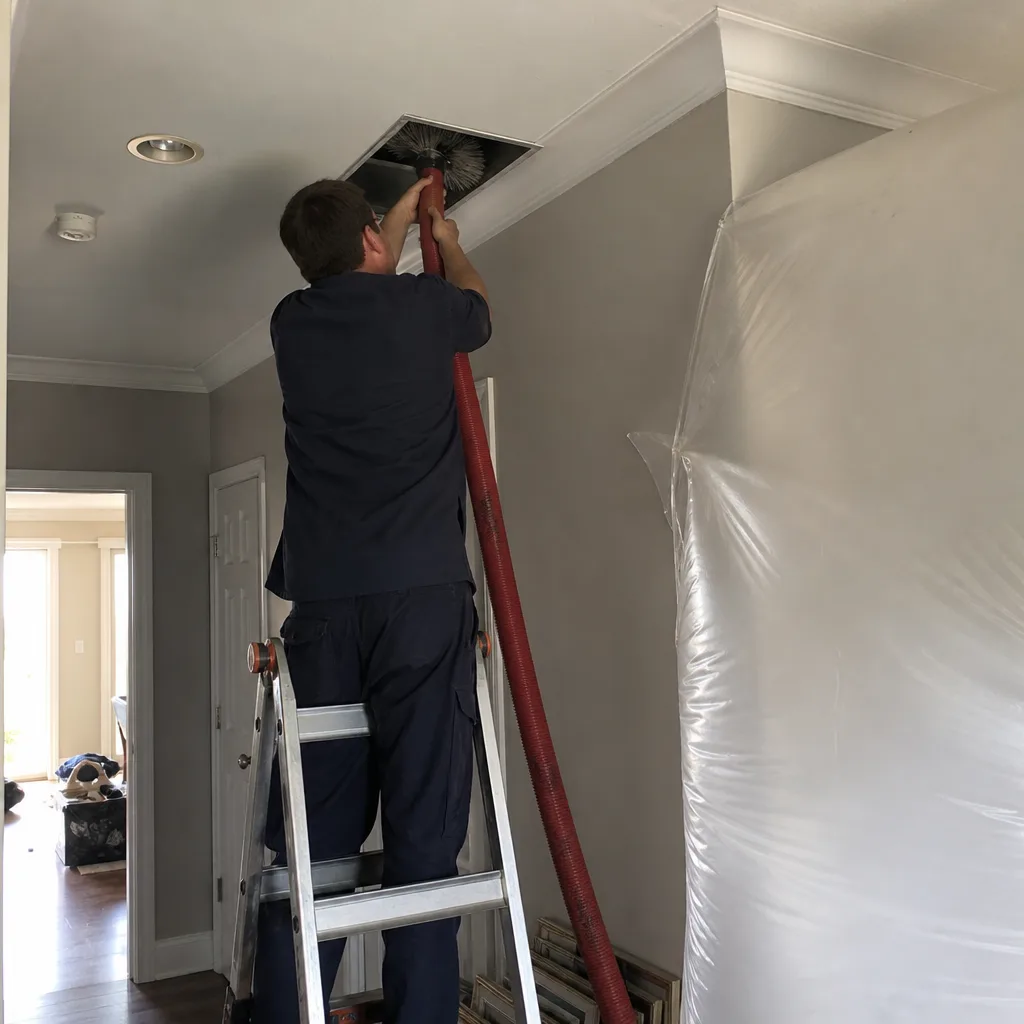
 Whole-home duct cleaning
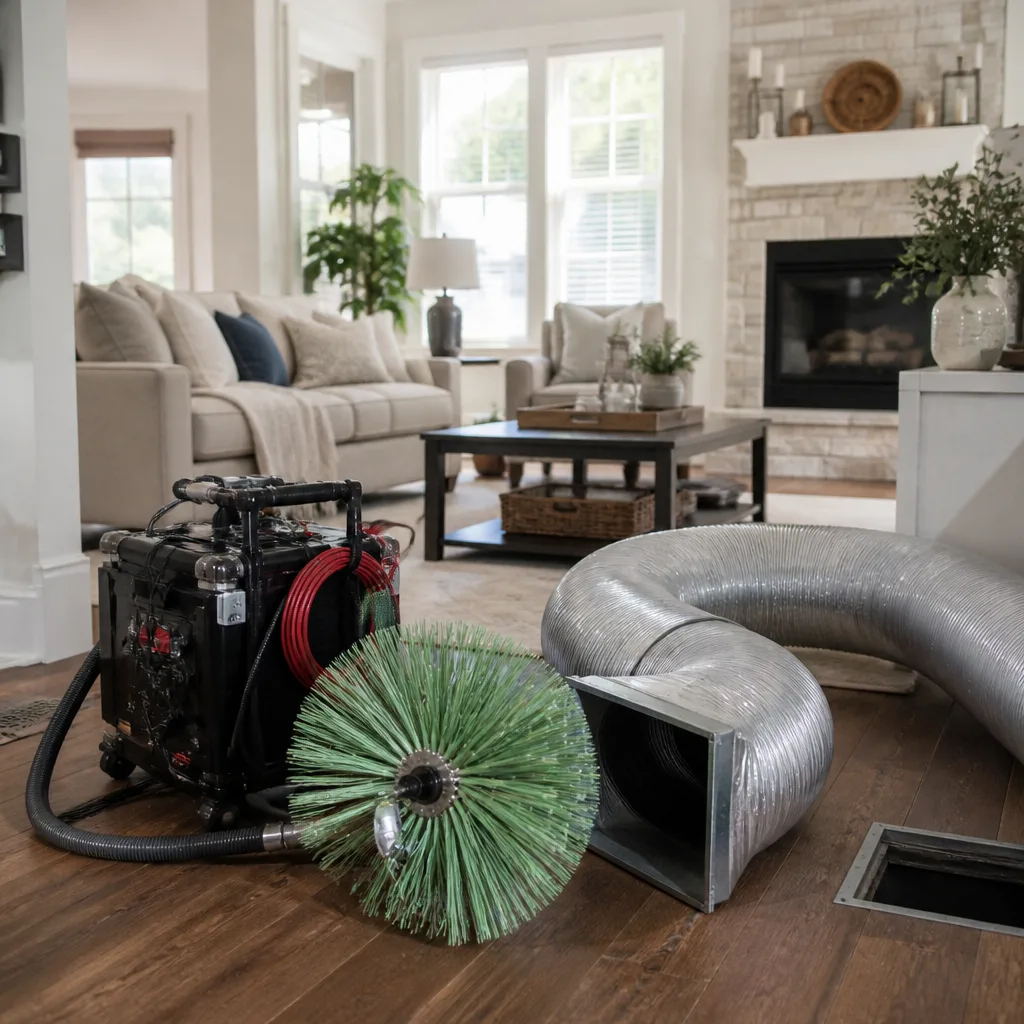
 Dryer vent cleaning
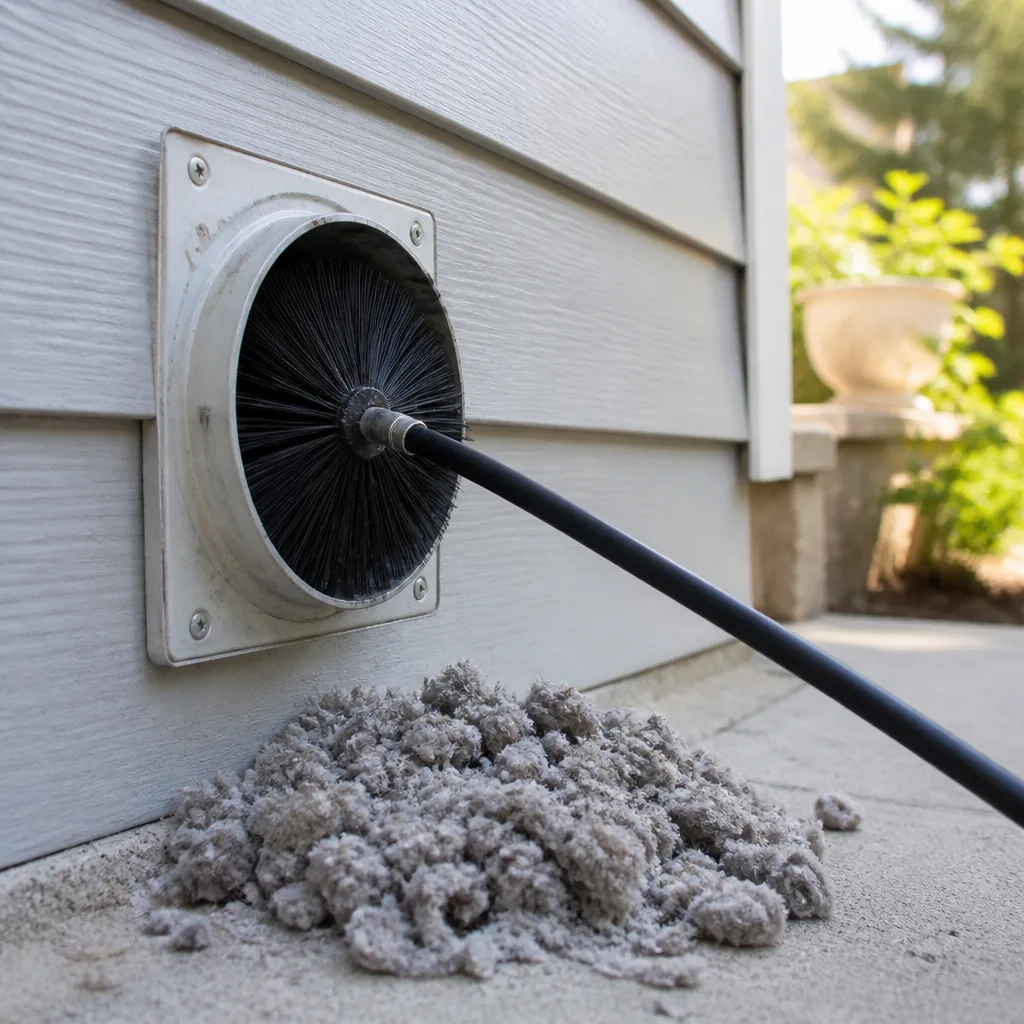
 Camera inspection
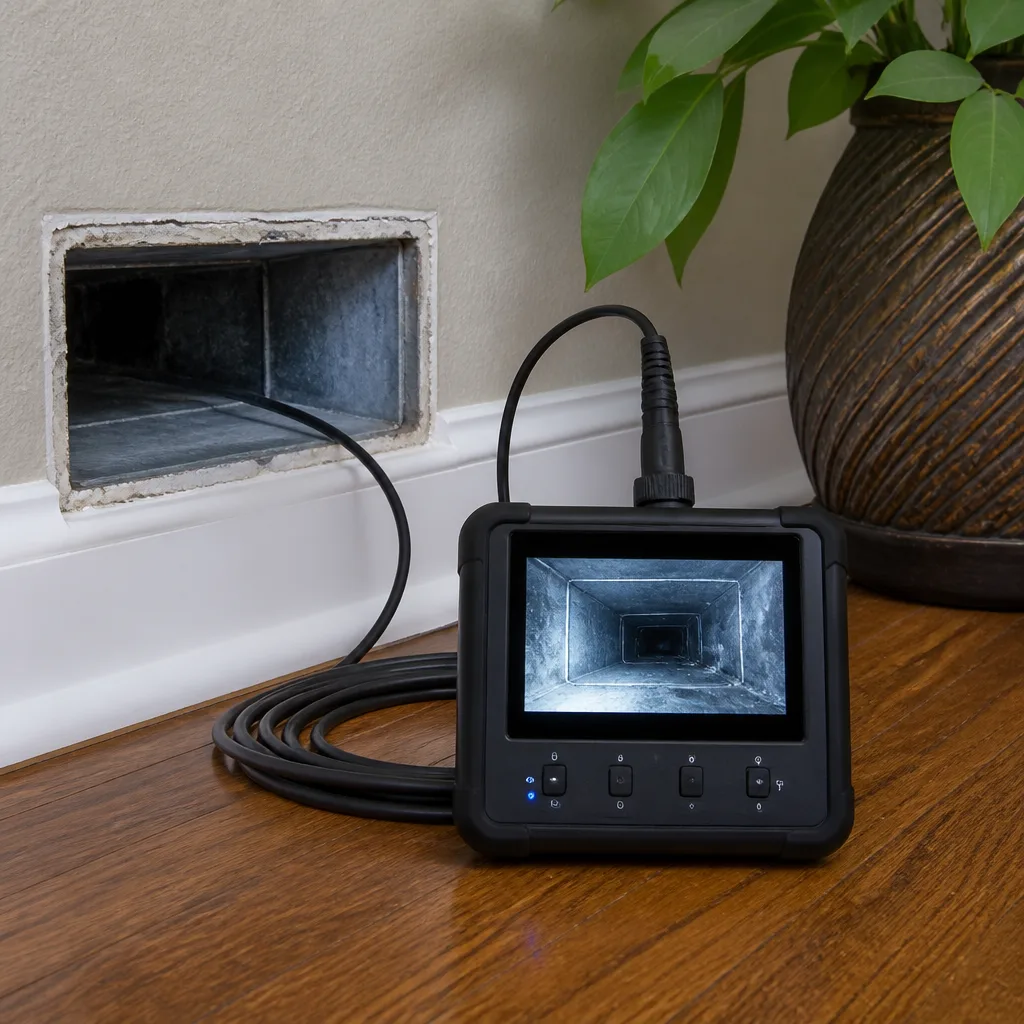
 Sanitizing & deodorizing
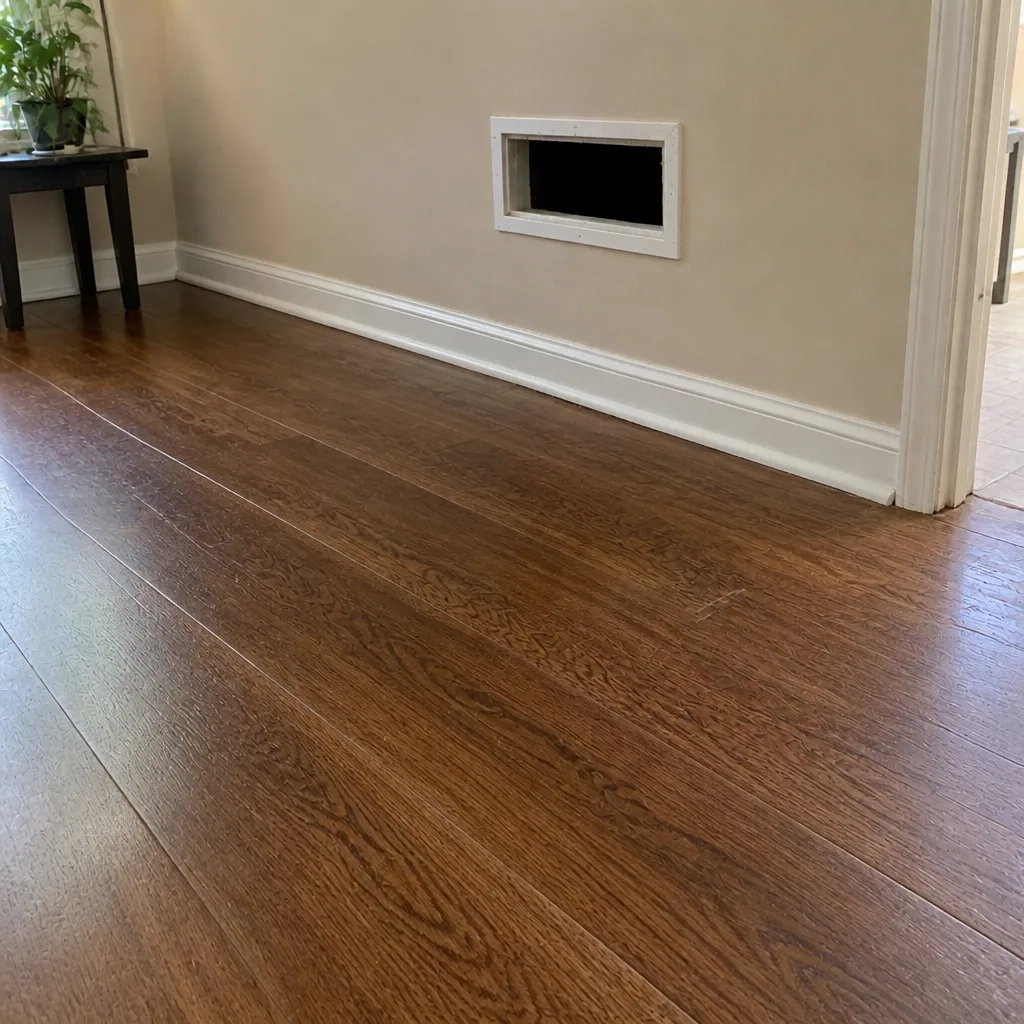
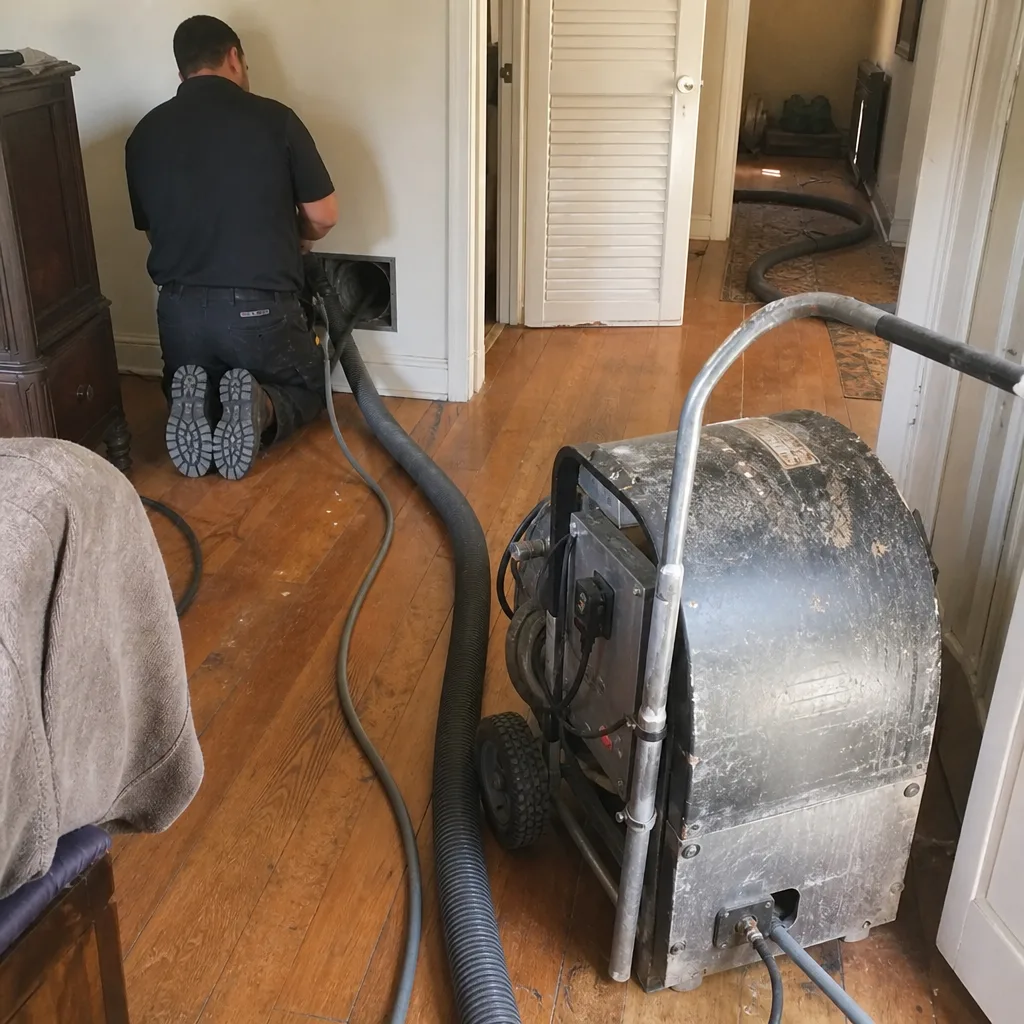
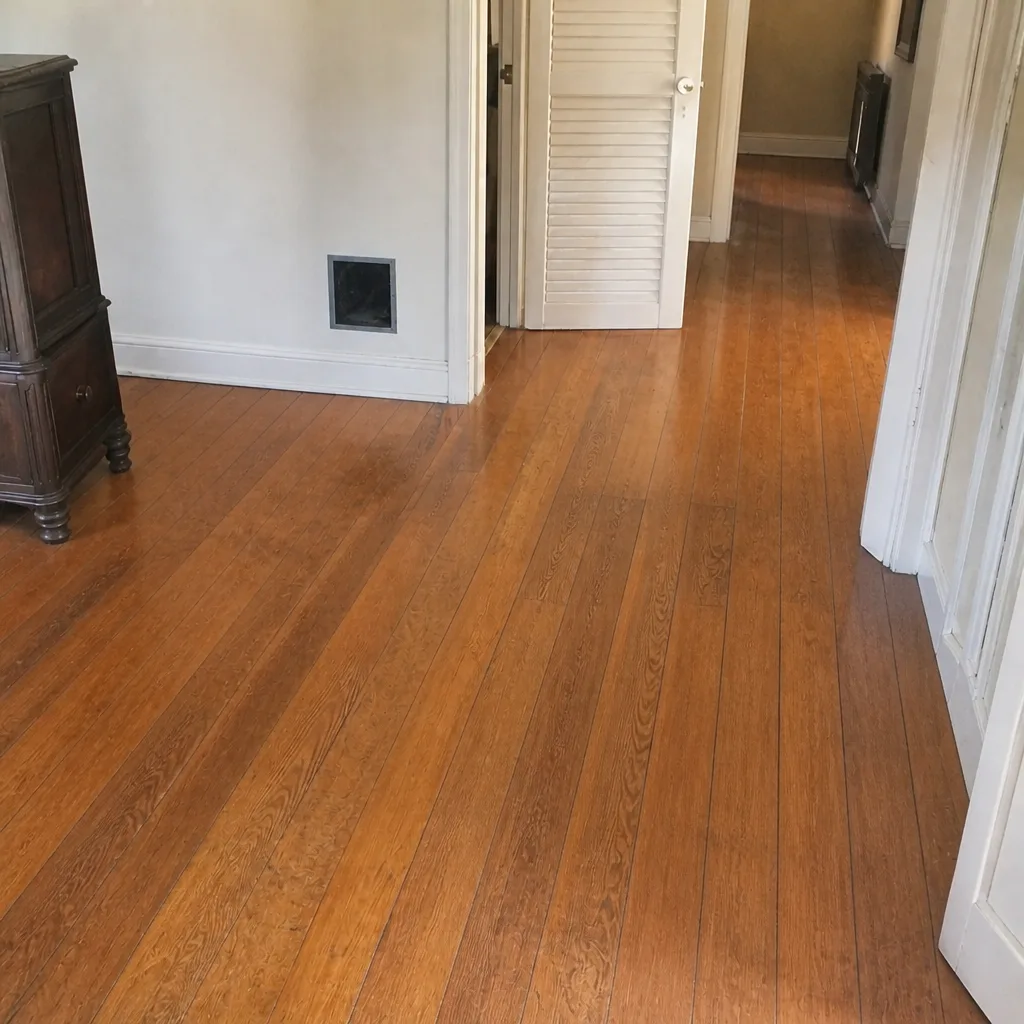
Whole-system duct and dryer vent check with before-and-after photos - you see exactly what came out of your vents
That "$99 whole-house special" is a bait ad - the real number appears once they are in your hallway, or the "clean" is a shop-vac at the register. We photograph the inside of your ducts before and after instead.
Air Duct Cleaning Permits, Codes & Inspections in Adams Farm, NC: What You Need to Know
Here’s the part that surprises most homeowners: the cleaning itself is the simple half. In North Carolina, routine air duct cleaning is treated as maintenance and doesn’t require a permit. But the moment a contractor cuts into a duct run, replaces a section, or installs a new sealing system, that work can cross into mechanical permit territory under the NC State Building Code, and plenty of duct work gets done in Adams Farm without anyone asking the question. That gap matters at resale, at insurance time, and when a system starts failing after a repair nobody documented. This guide walks through where the line sits, who has jurisdiction in Guilford County, how to verify permit history on your own address, and exactly what to ask any contractor before you authorize repair work.
Quick Answer
In Adams Farm and across North Carolina, air duct cleaning alone does not require a permit because it’s classified as maintenance, not construction. Duct modification, section replacement, and installation of a new duct sealing system can require a mechanical permit under the NC State Building Code, and that permit is pulled by the licensed contractor doing the work. Guilford County handles permitting and inspection for this kind of HVAC-adjacent work, and homeowners can check permit records on their own address through the county’s online system.
Styles & brands we work with
- Whole-home duct cleaning
- Dryer vent cleaning
- Camera inspection
- Sanitizing & deodorizing
Table of Contents
- Cleaning vs. Construction: Where the Permit Line Sits
- Guilford County Permits and Who Has Jurisdiction
- Aerosol Duct Sealing and Contractor Licensing in NC
- What to Ask a Contractor Before Authorizing Repair Work
- How to Verify Permit History on an Adams Farm Address
- What an Inspection Actually Looks At
- Why This Matters at Resale and for Insurance
- How Adams Farm Homes and Climate Shape Duct Work
Cleaning vs. Construction: Where the Permit Line Sits
North Carolina draws a practical distinction between taking dirt out of a system and changing the system itself. Cleaning falls on the maintenance side. Construction and alteration fall on the other. That’s the whole framework, and once you see it, the permit question stops being mysterious.
On the no-permit side, you have the work most people picture when they call for air duct cleaning: rotary brushing of the interior surfaces, negative-air extraction, sanitizing treatment, and dryer vent cleaning. None of that changes the physical duct system, so it doesn’t trigger a mechanical permit. It’s also the work that most needs doing in an older Adams Farm home where the original flex duct has been collecting dust since the house was built.
On the other side, the picture shifts:
- Cutting in a new branch run to serve a finished basement or bonus room modifies the system and generally requires a mechanical permit.
- Replacing a crushed or torn duct section beyond simple maintenance repair can require a permit, depending on scope and local interpretation.
- Installing a new duct sealing system as a whole-house upgrade, rather than spot-sealing a joint, is often treated as an alteration.
- Changing duct sizing or routing to fix a pressure imbalance is a design change, and design changes get permitted.
- Adding a return air path to a room that never had one is construction, full stop.
Where it gets genuinely murky is spot sealing. A contractor sealing a few leaking joints with mastic or tape during a HVAC cleaning visit is doing maintenance. A contractor installing a comprehensive aerosol sealing system across the whole supply and return network is doing something closer to an alteration, and whether that requires a permit can depend on the scope and on how the local inspector reads it. The honest answer is: ask before the work starts, not after.
We’ve seen homeowners discover a prior repair was unpermitted during a home inspection, and it’s a headache every single time. Better to know now.
Guilford County Permits and Who Has Jurisdiction
Adams Farm sits in Guilford County, and mechanical permits for residential HVAC and duct work in this area run through the county’s permitting system rather than a separate municipal office. That’s the single most important local fact on this page. When in doubt about which office handles a permit, call Guilford County’s permitting department directly and describe the work. They’ll tell you quickly whether it needs a permit and who pulls it.
Here’s how the process usually runs for duct-adjacent work that does require a permit:
- The licensed contractor pulls the permit before any work starts. In North Carolina, the person or company performing the work is the one who applies, not the homeowner. If a contractor asks you to pull the permit yourself as the homeowner, that’s a signal to slow down.
- The permit is issued with a scope of work attached, listing what’s being modified or installed.
- The work is performed and the contractor schedules an inspection through the county.
- A Guilford County inspector visits and reviews the work against the permitted scope.
- The permit is closed in the county system, which creates the permanent record you’ll want later.
What triggers an inspection? Duct work tied to a mechanical alteration almost always does, because the inspector needs to see the system in its finished state before it’s buried behind drywall or attic insulation. Straight cleaning never does, because there’s no permit and nothing to inspect. Sanitizing with a product like Guardsman doesn’t trigger anything either. It’s a treatment on an existing system, not a change to it.
One practical note: if your home is in an HOA within Adams Farm, there may be additional community rules about exterior penetrations or equipment placement, separate entirely from county permits. Those are handled through the HOA. County permits are a different animal entirely, and you need both where applicable.
Aerosol Duct Sealing and Contractor Licensing in NC
Aerosol-based duct sealing works by pressurizing the duct system and releasing a fine sealant mist that collects at leaks and closes them from the inside. It’s a genuinely useful technology, and it’s also where the regulatory picture gets least clear, because it didn’t exist when most of the code language was written. In North Carolina, the classification question turns on what the work actually does to the system.
If the aerosol application is treated as a maintenance-level seal of existing leaks, it typically lands in the same category as spot sealing and doesn’t require a permit. If it’s treated as installing a new sealing system as a defined alteration to the duct network, the mechanical permit question opens back up. We’ve seen it go both ways depending on scope and inspector interpretation, and we won’t pretend there’s a single bright line that covers every install.
What we can tell you is what to verify about the contractor, regardless of the permit question:
- Is the contractor licensed in the appropriate NC trade classification for the work they’re proposing? Aerosol sealing touches the mechanical system, so mechanical licensing or working under a properly licensed contractor matters.
- Is the contractor willing to put in writing whether the specific job requires a permit, and who is pulling it?
- Does the contractor carry liability insurance adequate for the work? Aerosol sealant is applied under pressure, and a mishandled job can cause problems. Ask for the certificate.
- Will the contractor give you a scope of work in writing that describes the system before and after, so you have something to point to if a question comes up later?
We don’t offer aerosol sealing ourselves, and we’re not going to pretend we do. What we do is clean, repair, and seal ducts using professional-grade equipment, which is a different service. If you’re weighing aerosol sealing, ask the contractor those four questions before you sign anything. A confident answer is a good sign. A hasty one isn’t.
What to Ask a Contractor Before Authorizing Repair Work
This is the section to save. The single most useful question in this entire guide is short: “Is this permitted work, and who pulls the permit?” Ask it before you approve any duct repair, replacement, or sealing job. The way a contractor answers tells you almost everything you need to know about how they operate.
Here’s the fuller list we’d want a homeowner to run through, ideally in writing:
- “Is this cleaning, repair, or alteration?” Make them classify the work. Cleaning is maintenance and requires no permit. Repair and alteration are where permits come in. If they can’t put the work in one of those buckets, that’s informative.
- “Does this specific job require a Guilford County mechanical permit?” A good contractor knows, or will find out before starting.
- “If it does, who pulls the permit?” The licensed contractor pulling the work should pull the permit. If they suggest you pull it as the homeowner, ask why.
- “What’s the scope of work in writing?” You want a document that describes what’s being changed, installed, or sealed.
- “Will there be an inspection, and who schedules it?” The contractor should own this step.
- “Are you licensed and insured for the work you’re proposing?” Ask for the certificate, not just a verbal yes.
- “Can I get the permit number once it’s issued?” You want a record you can look up later.
- “What equipment are you using?” On the cleaning side, the answer tells you whether it’s a real job or a shop vac and a brush. Purpose-built systems like Rotobrush and Nikro are the standard. Consumer equipment repurposed for duct work isn’t.
One question that gets skipped too often: “What’s the documented before-and-after?” If you’re paying for a repair, you want photos of what was found and what was fixed. We provide before-and-after photos of your own system as a matter of course, because that’s the only way you can tell whether the work was actually done.
How to Verify Permit History on an Adams Farm Address
Guilford County maintains an online permitting system where you can look up permit history by address. This is one of the most useful free research tools a homeowner has, and almost nobody uses it. Whether you’re buying a home in Adams Farm or you just had work done that you want to check, running your address through the county system takes a few minutes and tells you a lot.
Here’s the process:
- Start with the Guilford County permits and inspections online portal. The county’s official site links to it. If you can’t find it, call the permitting office and ask for the online address lookup.
- Search by property address, not by owner name. The address is the stable identifier across ownership changes.
- Review the list of permits on record, paying attention to mechanical and HVAC-related permits in particular. The description of work on each permit tells you what was authorized.
- Look for open or expired permits. An open permit on a prior repair can complicate a sale, because the record shows work was started and never inspected. That’s a fact worth knowing before you make an offer.
- Cross-check against what’s physically visible in the home. If you see newer duct work or a replaced air handler but no corresponding permit, that’s a question for the seller or the prior contractor.
- Call the permitting office if records are incomplete. Older work often isn’t in the online system. A phone call can usually confirm whether a permit was ever issued for a specific address.
When you’re buying in Adams Farm, run this check as part of your due diligence. Older homes in the neighborhood have often had multiple owners and multiple rounds of HVAC work. Some of that work was permitted and inspected. Some of it wasn’t. Knowing which is which protects you at every step: at inspection, at closing, and at insurance time if you ever need to file a claim.
If you’re selling, check your own record first. It’s better to discover a gap and address it now than to have a buyer’s inspector find it.
What an Inspection Actually Looks At
A mechanical inspection on permitted duct work isn’t a quality audit of the entire system. The inspector is there to verify that the work described on the permit was performed correctly and to code. That’s it. Knowing what’s actually being checked helps you understand which concerns fall inside the inspection and which don’t.
Within the permitted scope, expect the inspector to look at:
- Duct connections and material against the requirements in the NC State Building Code mechanical provisions.
- Support and routing of new or modified duct sections.
- Clearance from combustibles where the work touches heat-producing equipment.
- Return air paths where they’ve been added or modified.
- Overall installation quality of the permitted change.
Outside the scope of the inspection, expect nothing. An inspector won’t grade how clean your ducts were before the job. They won’t comment on your filter choice. They won’t evaluate every joint in the system. They won’t check whether you sanitized with Guardsman, whether you upgraded to a Honeywell or Aprilaire filtration setup, or whether your air quality equipment from Abatement Technologies was installed correctly. Those are separate concerns, and where they matter, they’re handled by the contractor and documented in the job record.
The most useful thing about a completed inspection is the paper trail. A closed permit with an inspector’s sign-off is proof that the work happened and that it was reviewed. That record persists in the county system and shows up when your address is searched, which is exactly what you want later.
Why This Matters at Resale and for Insurance
Unpermitted work isn’t usually a problem until the day it is. When it becomes a problem, it tends to become an expensive one. Two scenarios come up again and again.
At resale, a buyer’s home inspector will typically check permit history as part of the inspection. Unpermitted duct repair or replacement on the record raises questions: how much work was done, was it done correctly, and should it be inspected retroactively? The answers can cost you a concession, a delayed closing, or a lost sale. Retroactive permitting is possible in many cases, but it’s easier and cheaper to do it right the first time.
For insurance, a claim tied to HVAC or duct work can stall if the work wasn’t permitted and the insurer can’t confirm it was done correctly. That’s the more painful scenario, because it happens at the worst possible moment. The insurer isn’t being unreasonable. They’re asking a legitimate question about whether the work that caused or contributed to the loss was properly reviewed.
We’re not in a position to tell you how any specific insurer will treat any specific claim. What we can tell you is that the cleanest position to be in is one where the work on your duct system was either routine cleaning with no permit needed, or permitted work that was inspected and closed in the county system. That’s a defensible position, and it’s not hard to get to when you ask the right questions before the work starts.
How Adams Farm Homes and Climate Shape Duct Work
Adams Farm is a leafy, established neighborhood with plenty of mature trees, and that shows up in the duct work. Moderate Piedmont humidity through the summer means the system is running a lot of the time, and the moisture it carries sits in the duct run when it isn’t. Both of those are normal, but they explain why Adams Farm homes tend to see more dust accumulation and more joint wear than you’d guess from the outside of the house.
Most homes in the neighborhood are old enough that the original duct system has been touched more than once. Flex runs get crushed above ceilings. Joints loosen over time as the system cycles. Some of that is maintenance-level repair. Some crosses into the alteration category and needs a permit. Knowing which is which is the whole point of this guide.
Our recommendation for any Adams Farm homeowner: get a documented baseline. A full cleaning with before-and-after photos of your own system gives you a reference point. If you need repair or sealing on top of that, you know exactly what’s being changed. If you don’t, you have proof of the system’s condition at a specific point in time, which is useful at resale and reassuring at insurance time.
Dryer vents deserve their own line here, because they’re one of the leading causes of residential fires in the country. That’s not an HVAC code concern, but it’s a safety fact worth acting on. We offer dryer vent cleaning as part of the five services we provide. If you haven’t had yours cleaned in a while, add it to the list.
Common Mistakes to Avoid
- Assuming all duct work is permit-free. Cleaning isn’t permitted. Modification, replacement, and system installation often are. Ask the question before the work starts, not after.
- Letting the contractor tell you to pull the permit yourself. In North Carolina, the licensed contractor performing the work pulls the permit. If a contractor asks you to do it, ask why before you agree.
- Skipping the permit history check before buying in Adams Farm. A five-minute look at the Guilford County online system can save you from inheriting an unpermitted repair during a sale.
- Hiring on price alone without asking about equipment. A quote that seems unusually low is usually a contractor running consumer-grade equipment through a system that needs professional-grade extraction like Rotobrush or Nikro. Ask what they’re using before you book.
- Skipping the documentation step. If you paid for a repair and don’t have photos of the work, you can’t prove it was done well or at all. Ask for before-and-after photos of your own system.
- Treating a permit as a guarantee of quality. An inspection verifies that the permitted work meets code. It doesn’t grade the entire system or the contractor’s overall craftsmanship. Use it as one piece of the picture, not the whole thing.
- Ignoring the dryer vent because it’s not HVAC. A clogged dryer vent is a fire risk, and the permit question doesn’t apply to cleaning it, but the safety concern absolutely does. Add it to your routine.
See the difference
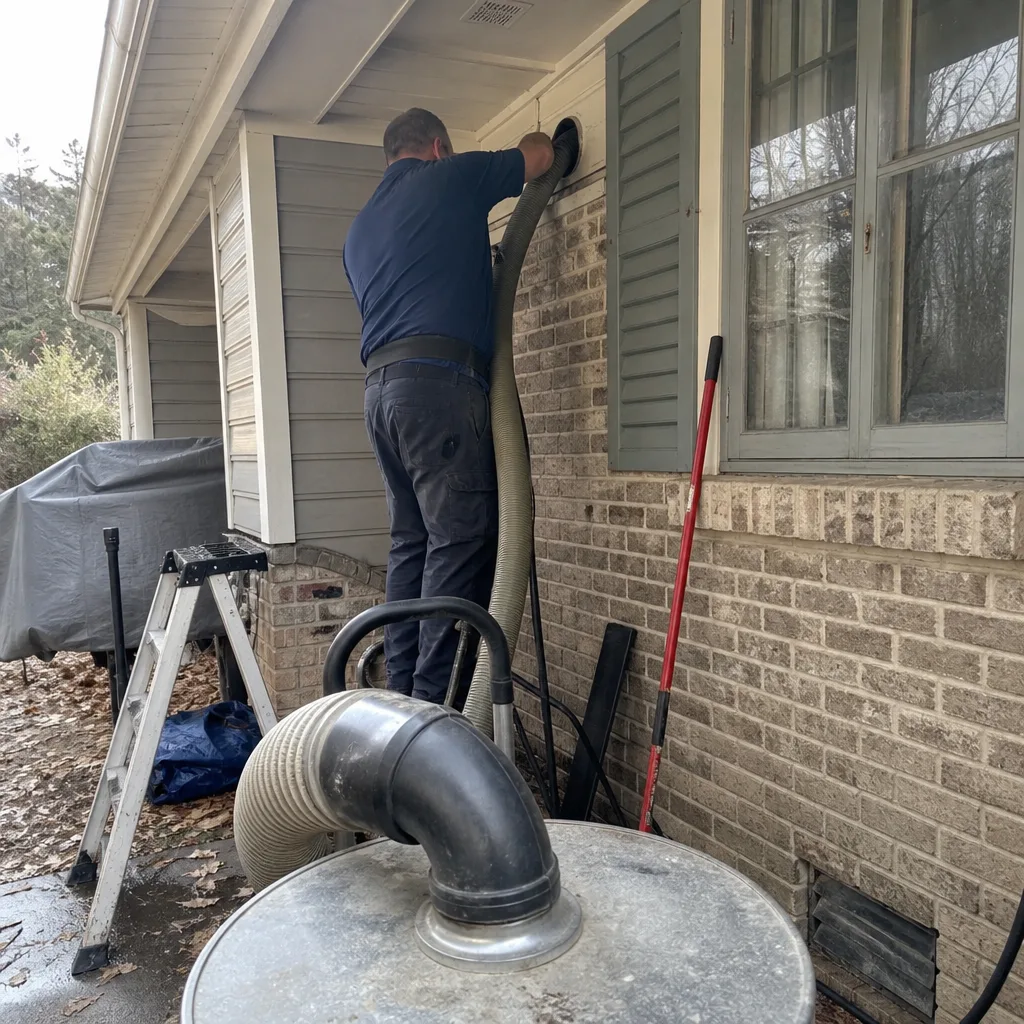 Before
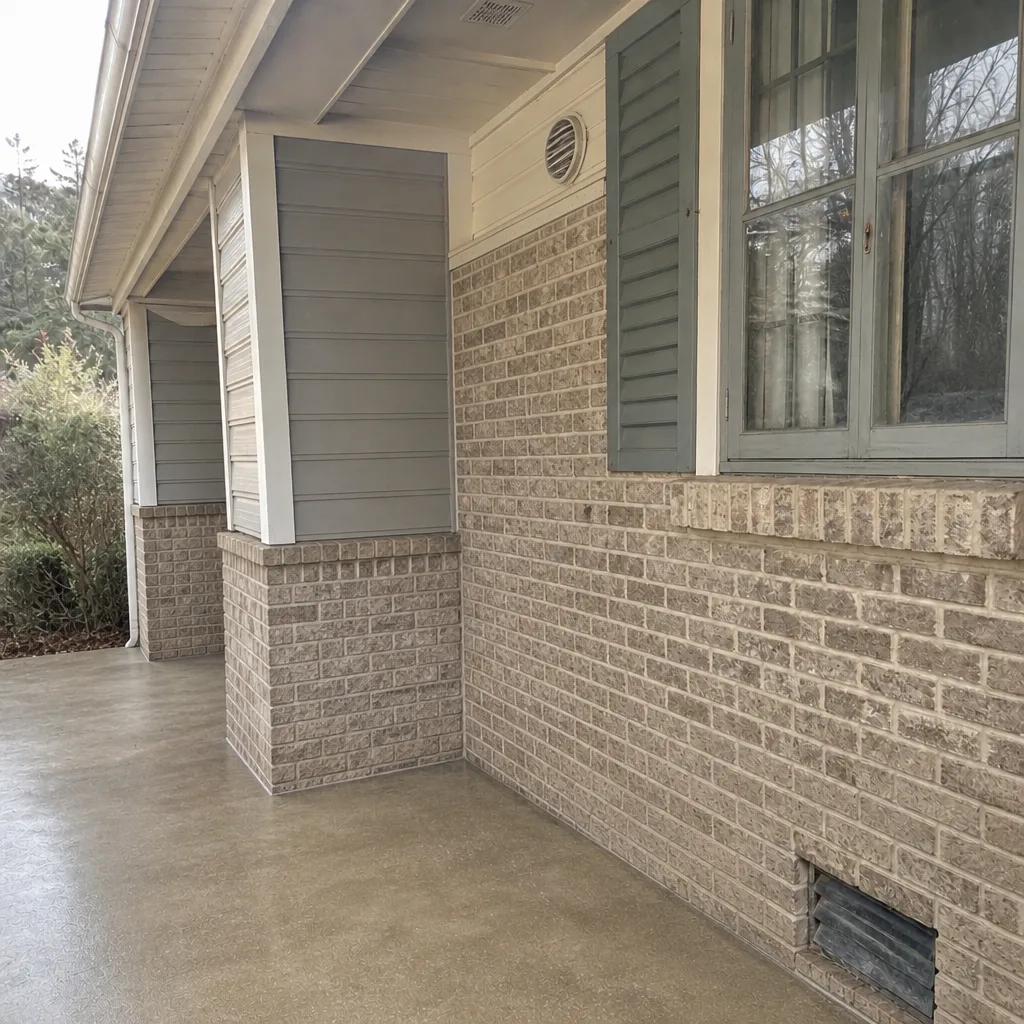 After
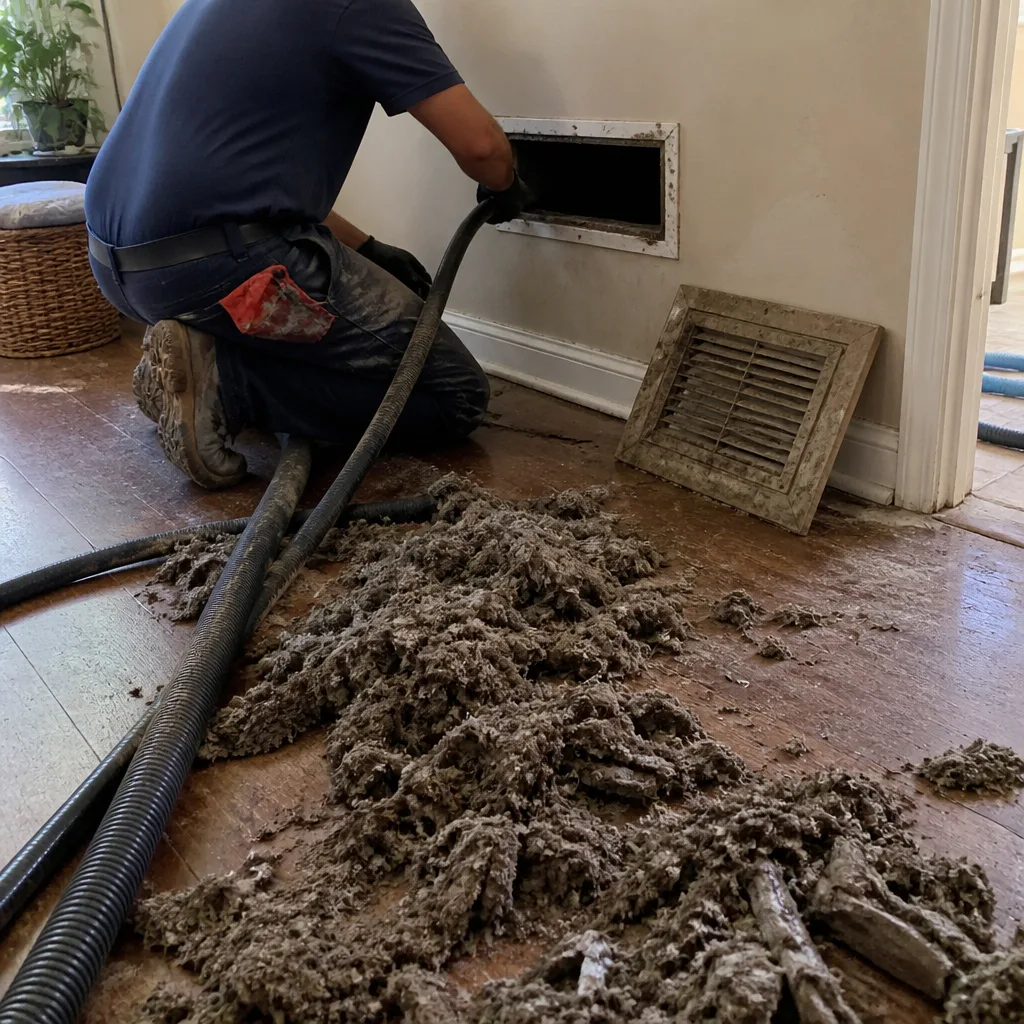 Before
 After
 Before
 After
When to Call a Professional
Call a professional when the duct work on your list involves anything beyond routine cleaning. If your system hasn’t been cleaned in a long time, if you’re seeing visible dust in the registers, if a specific room never feels right, or if a previous contractor’s work is undocumented and you don’t know what was done, it’s worth a professional look. If you’re preparing to sell an Adams Farm home and want clean documentation of the system’s condition, that’s another good reason to call. The dangerous parts of this trade, including anything involving the electrical side of your HVAC system or working in tight attic spaces around high-voltage components, always warrant a trained professional. Air Duct Cleaning Adams Farm offers free estimates in Adams Farm. Call (877) 770-1927. We answer 24/7. Fast dispatch from 7am to 7pm, Sunday through Friday.
Frequently Asked Questions
No. Routine air duct cleaning in Adams Farm and across North Carolina is classified as maintenance, so it doesn’t require a permit. That covers rotary brushing, negative-air extraction, and sanitizing on an existing system. Call (877) 770-1927 for an exact quote – estimates are free.
Duct work that modifies, replaces, or significantly alters the system can require a mechanical permit under the NC State Building Code. That includes new branch runs, whole-system sealing installation, duct resizing, and added return paths. Spot maintenance repair usually doesn’t. The cleanest answer for a specific job is to ask the contractor to classify the work before it starts.
The licensed contractor performing the work pulls the permit. In North Carolina, homeowners aren’t typically the permit holder for mechanical alterations done by a contractor, and a contractor who asks you to pull the permit yourself as the homeowner is a red flag. The permit is also what triggers the county inspection, so it’s the piece that makes the job traceable in the county system.
It depends on how the work is classified. Treated as maintenance-level sealing of existing leaks, aerosol application typically doesn’t require a permit. Treated as a system alteration, it can. Because North Carolina’s code language predates much of this technology, the answer often depends on scope and inspector interpretation. Ask the contractor to put in writing whether your specific job requires a permit and who pulls it.
Use the Guilford County online permitting system and search by property address. The record shows permits issued on that address, the scope of work, and whether each permit was closed with an inspection. Do this as part of due diligence when buying in Adams Farm, and check your own address if you’ve had prior work done that you’re not sure about.
It depends on the size of your system and the scope of work, which is why we don’t quote a single number for every home. The honest answer is that we set one flat price per system, agreed before any work starts, so there’s no per-vent pricing and no surprise invoice when the technician is on site. Some quotes in this trade come in cheap because they’re running consumer-grade equipment and doing a surface-level job. Ask what equipment they’re using before you compare prices. Call (877) 770-1927 for a free estimate. We answer 24/7. Fast dispatch from 7am to 7pm, Sunday through Friday.
The Bottom Line
Routine duct cleaning in Adams Farm doesn’t need a permit, but duct modification, replacement, and whole-system sealing often do, and the contractor doing the work is the one who pulls it. Guilford County handles permits and inspections for HVAC-adjacent work in this area, and you can verify the history on your own address through the county’s online system in a few minutes. Ask the four core questions before you authorize repair: is it permitted work, who pulls the permit, what’s the scope in writing, and what’s the documented before-and-after. When you choose a contractor, ask what equipment they’re using. Purpose-built extraction systems like Rotobrush and Nikro are the distinction between a real job and a shop vac with a brush. Clean, sealed, and sanitized, with the paperwork to prove it, is the position you want to be in at resale and at insurance time. If you want a professional baseline on your Adams Farm home, call (877) 770-1927. We answer 24/7. Fast dispatch from 7am to 7pm, Sunday through Friday. Estimates are free.
Written by the team at Air Duct Cleaning Adams Farm.