
Last updated November 23, 2026
 Whole-home duct cleaning
 Dryer vent cleaning
 Camera inspection
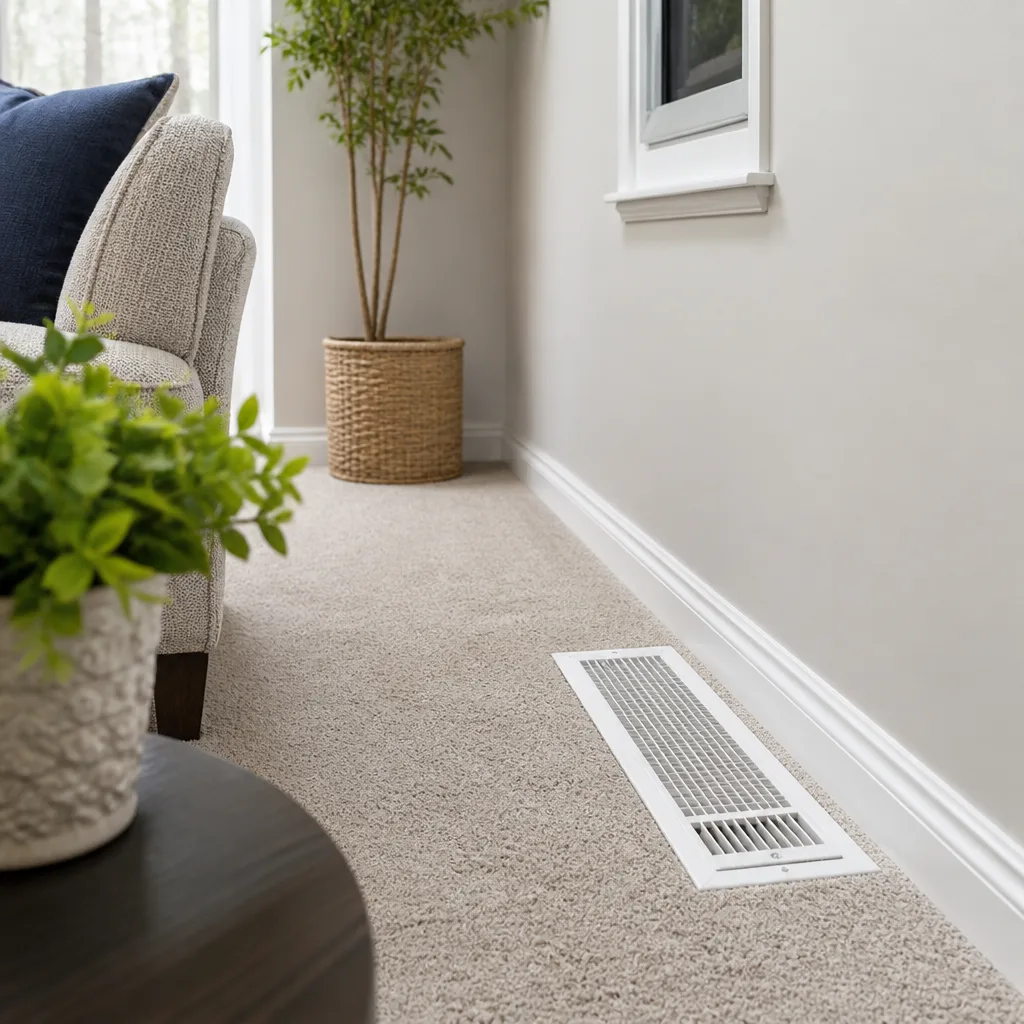 Sanitizing & deodorizing
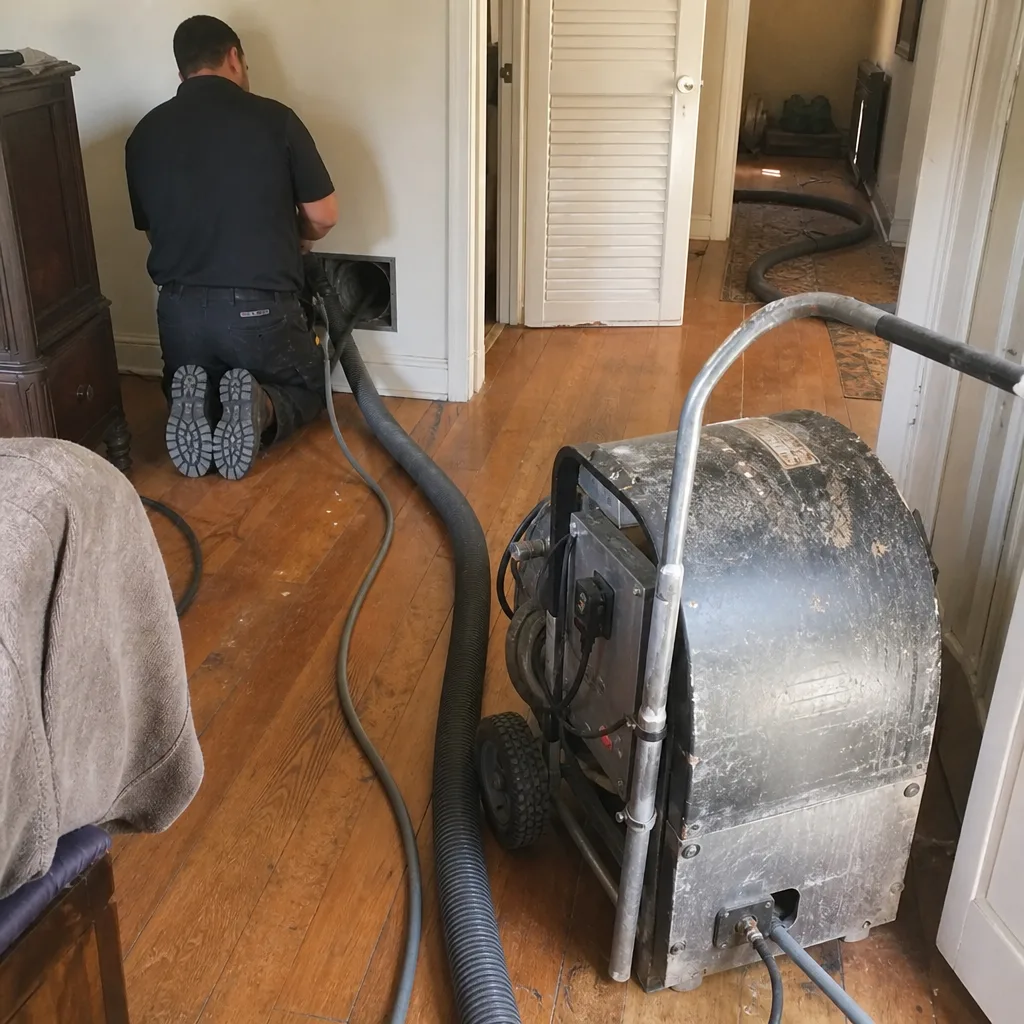
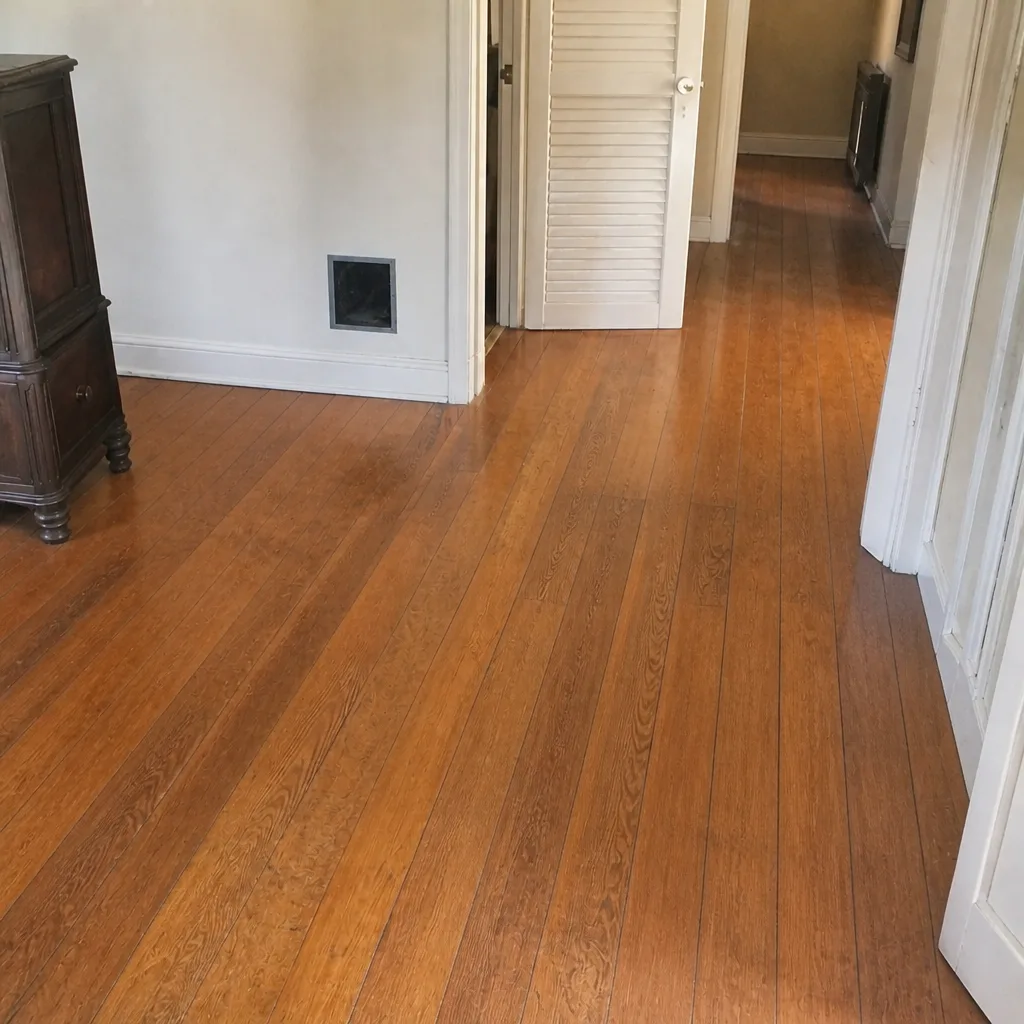
Whole-system duct and dryer vent check with before-and-after photos - you see exactly what came out of your vents
That "$99 whole-house special" is a bait ad - the real number appears once they are in your hallway, or the "clean" is a shop-vac at the register. We photograph the inside of your ducts before and after instead.
Air Duct Cleaning Cost Breakdown: The Adams Farm Homeowner’s Reference for 2026
A $99 whole-house duct cleaning offer cannot be delivered with commercial-grade equipment and honest dwell time. The math simply doesn’t work once you account for a rotary brush system, negative-air extraction, and the labor hours required to do the job right. That’s not a knock on budget cleaning – it’s arithmetic. Understanding why cheap quotes exist, what they leave out, and what a legitimate estimate should itemize protects you from paying twice: once for the bargain, and again to fix what it missed. This guide breaks down the real cost structure behind air duct cleaning in Adams Farm, so you can compare quotes on equal footing and know exactly what you’re buying.
Quick Answer
Air duct cleaning in Adams Farm typically ranges from $350 to $500 for a basic single-system home, $500 to $800 for full-service cleaning with sanitizing, and $800 to $1,200 or more when duct sealing or repair is included. The exact price depends on square footage, vent count, stories, and duct material. Equipment quality is the single biggest driver of the spread between quotes, and it’s the one factor most homeowners never think to ask about.
Styles & brands we work with
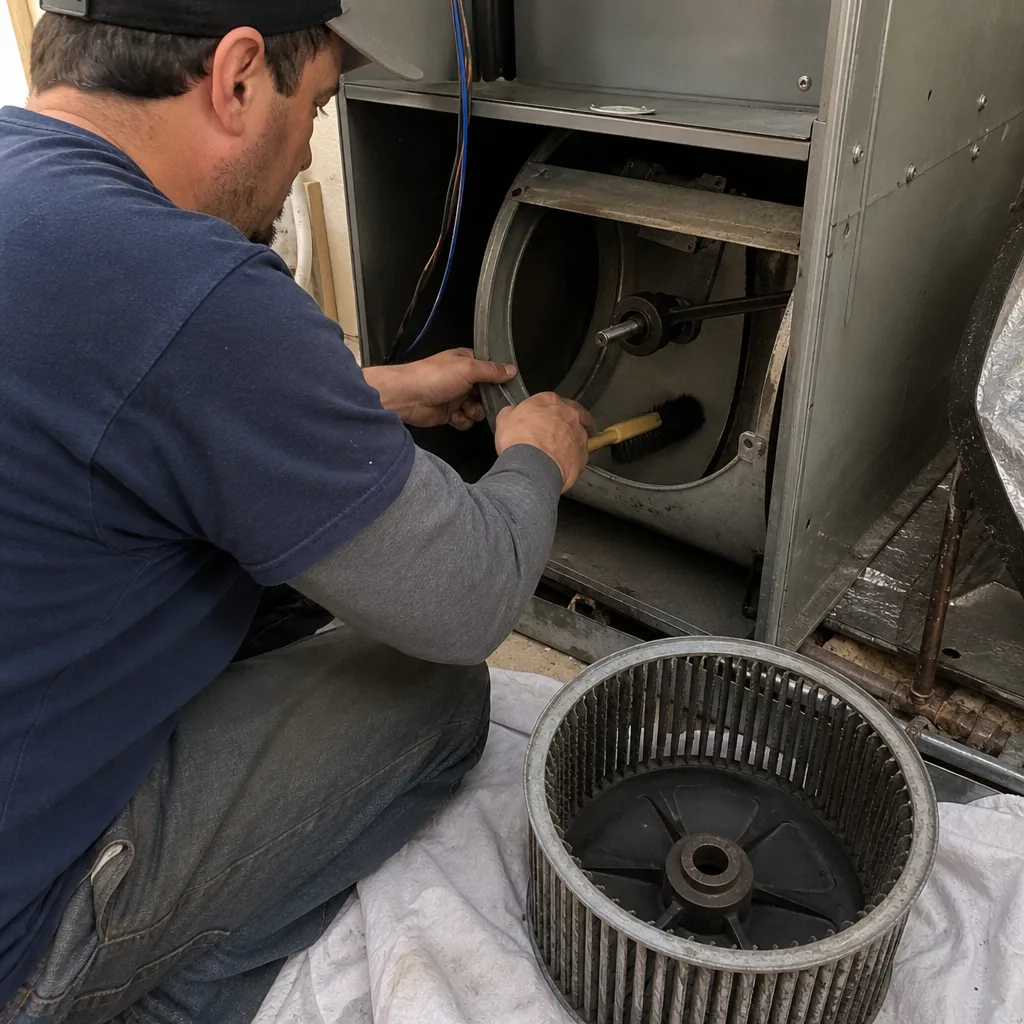
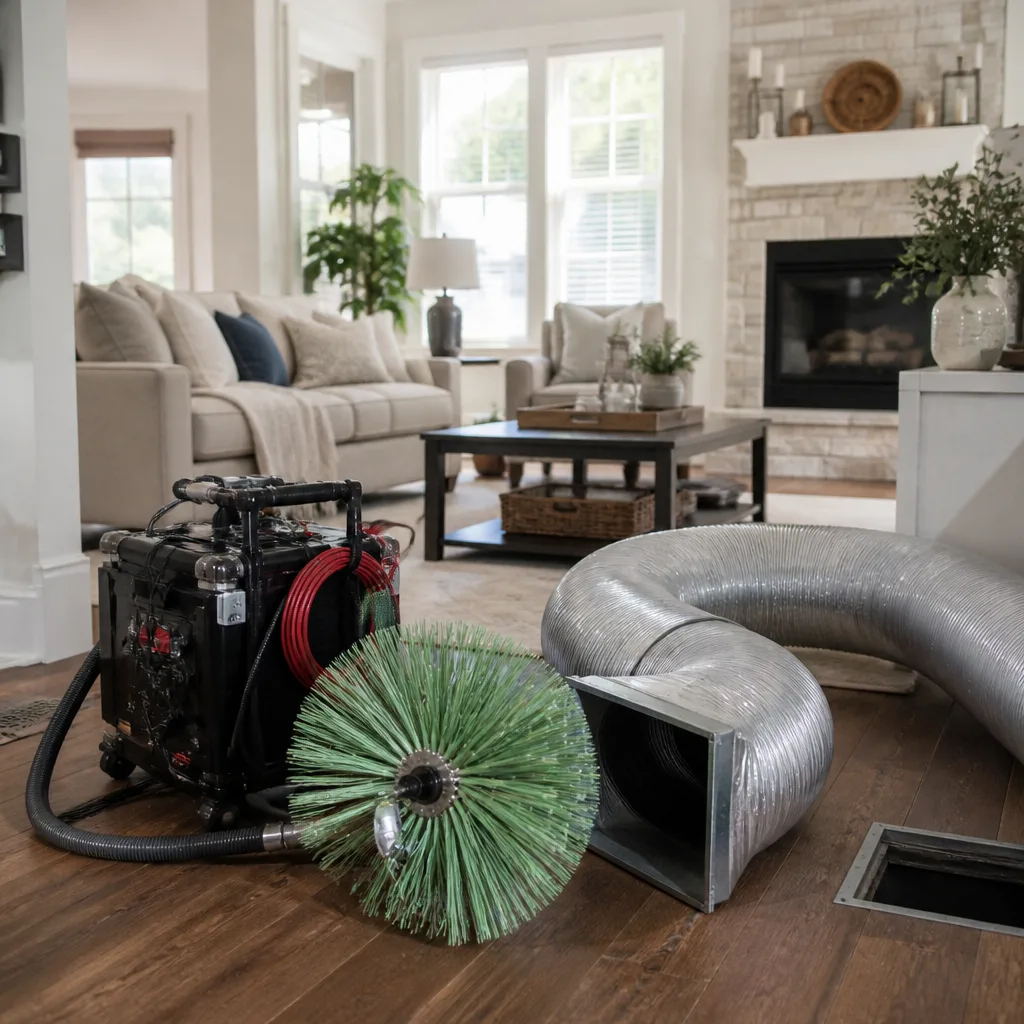
- Whole-home duct cleaning
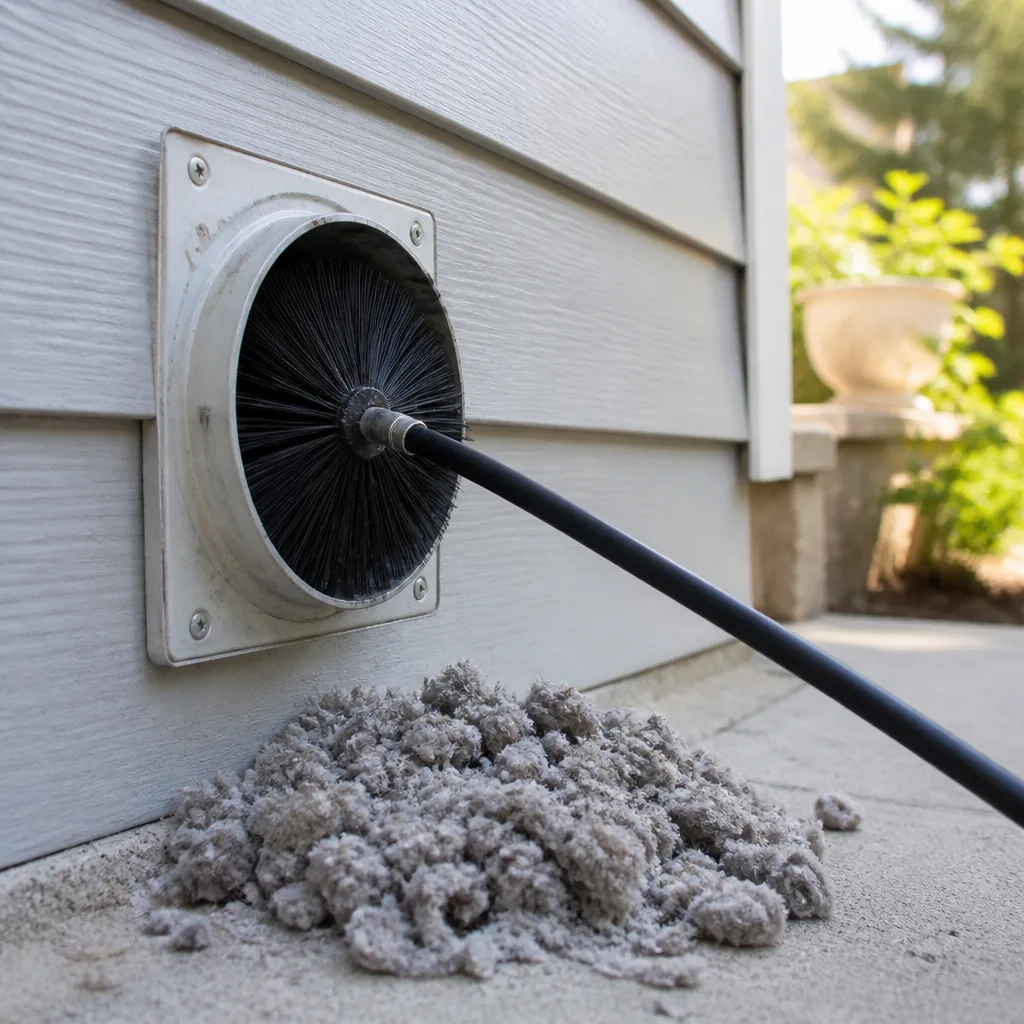
- Dryer vent cleaning
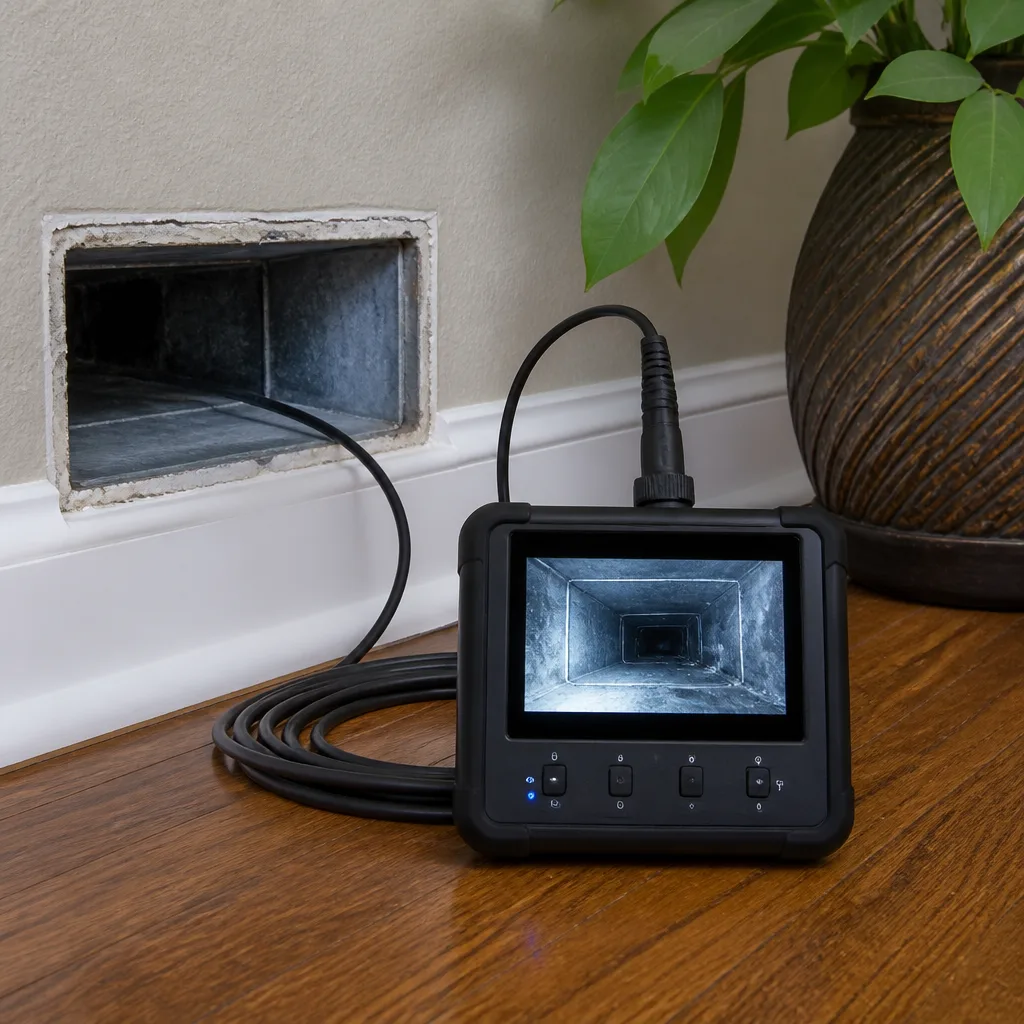
- Camera inspection
- Sanitizing & deodorizing
Table of Contents
- What Factors Drive Air Duct Cleaning Cost in Adams Farm?
- What Are Realistic 2026 Price Ranges for Adams Farm Homes?
- What Do Add-On Services Actually Cost, and When Are They Legitimate?
- Why Does Equipment Quality Change the Price?
- How Do You Compare Quotes Apples-to-Apples?
- When Does Duct Sealing Belong in the Estimate?
- What About Dryer Vent Cleaning Costs?
- Common Mistakes to Avoid
What Factors Drive Air Duct Cleaning Cost in Adams Farm?
Five variables determine almost every quote you’ll receive in Adams Farm: square footage, vent count, number of stories, duct material, and the condition of the system when the technician arrives. Square footage sets the baseline because it correlates with the volume of ductwork in the home. A 1,600-square-foot ranch and a 3,200-square-foot two-story have fundamentally different labor requirements, even when both are described as “whole-house” cleanings.
Vent count matters because each supply and return register adds time. Pulling grates, brushing the run, and extracting debris from each branch is a physical process. A home with 12 vents and a home with 22 vents can share the same square footage but require substantially different amounts of work.
Stories affect access. Multi-story homes in Adams Farm often have longer trunk lines, more transitions, and ductwork routed through unconditioned attic or crawl spaces where setup takes longer. Technicians have to run hoses, position negative-air equipment, and navigate tight chases – all of it legitimate labor that shows up in the price.
Duct material is the fourth factor. Flexible duct has ridges that trap debris and requires a different brush technique than smooth sheet metal. Sheet metal is faster to clean but can reveal leaky seams that need sealing. Flex duct that’s been crushed or poorly installed may need partial replacement rather than cleaning.
Condition rounds out the list. A system that’s never been cleaned, one with visible mold, or one with pest intrusion takes more time and may require sanitizing or repair before cleaning can be effective. Any legitimate estimate should be based on an inspection, not a phone guess.
What Are Realistic 2026 Price Ranges for Adams Farm Homes?
Here’s how the numbers break down by service tier and home size. Treat these as typical estimates for the Adams Farm market, not fixed prices. The written estimate after an inspection sets the final number, and it’s free to get one.
| Service Level | Small Home (under 1,800 sq ft) | Mid-Size (1,800 – 2,600 sq ft) | Large (2,600+ sq ft or multi-system) |
|---|---|---|---|
| Basic cleaning (supply + return, all vents) | $350 – $450 | $450 – $600 | $600 – $850 |
| Full-service cleaning with sanitizing | $500 – $650 | $650 – $800 | $800 – $1,100 |
| Cleaning plus duct sealing or minor repair | $600 – $800 | $800 – $1,000 | $1,000 – $1,400 |
| Dryer vent cleaning (separate service) | $120 – $200 | $120 – $200 | $150 – $250 |
These ranges reflect what we’ve seen in the Adams Farm market and surrounding neighborhoods, where a mix of older construction and newer builds creates different duct layouts. Homes with two HVAC systems land at the higher end regardless of square footage, because each system requires its own cleaning pass.
What sits at the top of every range is the diagnosis step. A proper estimate includes a look at the ductwork, the registers, and the air handler, plus before-and-after photos so you can see exactly what changed. That’s where a $350 quote and a $900 quote on the same house usually diverge – not because one contractor is greedy, but because one is cleaning the whole system and one is making the vents look clean.
What Do Add-On Services Actually Cost, and When Are They Legitimate?
Add-ons get a bad reputation because they’re frequently used as upsells the moment a technician walks in. Some are genuinely warranted; others are padding. Here’s how to tell the difference before you sign anything.
Sanitizing Treatment
Typically $100 to $250 on top of a cleaning. A sanitizing step makes sense when there’s visible microbial growth, persistent odor, or a known moisture problem. It uses an antimicrobial product – we apply Guardsman in this role – and it should be documented with photos or a written description of what was treated. If your ducts are clean and dry with no odor, sanitizing is optional. If a contractor insists on it before even looking inside, that’s an upsell, not a recommendation.
Coil Cleaning
Often $150 to $400 depending on coil accessibility. The evaporator coil sits inside the air handler and collects dust that reduces cooling efficiency. Coil cleaning is legitimate when the coil is visibly fouled, but it’s a distinct service from duct cleaning. Ask to see the coil before approving the charge. This sits on the HVAC side of the work, and it’s a service we offer as part of HVAC cleaning.
Dryer Vent Cleaning
Usually $120 to $250 as a standalone service. The lint that accumulates in a dryer vent is a known fire hazard, and the work is a mechanical cleaning of the full run from dryer to exterior termination. It belongs on the list of things every homeowner should have done periodically, and it’s easy to schedule alongside duct work.
Mold Treatment
Varies widely, often $200 to $600 or more depending on the extent. Mold in ductwork is legitimate grounds for remediation, but the treatment should follow a visual confirmation – not a scare tactic. Ask what was found, where, and how the treatment addresses the moisture source. Cleaning mold out without fixing the underlying humidity problem just resets the clock.
None of these add-ons should appear on the estimate before the inspection happens. A price quoted over the phone without seeing the system is a guess at best and a bait-and-switch at worst.
Why Does Equipment Quality Change the Price?
Professional duct cleaning equipment is a real capital investment, and it’s the primary reason two quotes on the same house can differ by hundreds of dollars. A Rotobrush system or a Nikro negative-air extraction unit costs thousands of dollars, requires maintenance, and consumes consumables on every job. A contractor running a shop vac and a hand brush has none of that overhead – and produces a fundamentally different result.
Here’s what the equipment actually does:
- Rotary brush agitation – the brush head spins to knock loose the debris that’s bonded to duct walls. A straight brush pushed by hand skips the ridges and corners where dust accumulates.
- Negative-air extraction – a HEPA-filtered vacuum pulls air through the system while the brush agitates, so dislodged debris leaves the duct instead of settling into your living space.
- Compressed-air whips and skippers – reach into branch runs the brush can’t traverse, ensuring the whole run gets cleaned rather than just the accessible trunk.
- Camera inspection – before-and-after images document the work and let you verify it was actually done.
A shop-vac operation cannot deliver any of the first three at commercial scale. It also can’t document the fourth. The equipment difference is what separates a cleaning that improves indoor air quality from a cleaning that briefly makes the registers look better.
The spread between quotes reflects this. A properly equipped job in Adams Farm absorbs a real equipment and labor cost; the $99 special absorbs almost none. That’s the arithmetic behind the opening of this guide.
How Do You Compare Quotes Apples-to-Apples?
The only reliable way to compare duct cleaning estimates is to require the same five line items from every contractor. Any legitimate estimate should itemize these before you sign:
- Source removal method – which equipment (Rotobrush, Nikro, or comparable commercial system) will be used, and whether negative air is part of the process.
- Vent and register count – an explicit number, so “whole-house” can’t slide into “some of the house.”
- Supply and return coverage – both sides of the system, in writing.
- Add-on services – sanitizing, coil cleaning, and any treatment priced separately and explained.
- Documentation – before-and-after photos included in the price, not as an optional extra.
Once you have all five in writing, compare the totals. If one quote seems dramatically lower, the missing item will usually be evident: no negative air, fewer vents than your home has, or no documentation.
Here’s how to structure the conversation. When you call, give the square footage, the number of stories, and a rough vent count. Ask specifically which equipment they’ll bring. Ask whether before-and-after photos are included. Ask what the add-on prices are if they recommend one after inspection. That’s the same set of questions we ask when scheduling air duct cleaning, and any honest operator will welcome them.
One useful rule: if a contractor won’t put the vent count and equipment on the estimate in writing, that’s the moment to move to the next quote. It’s not an unreasonable ask – it’s the baseline.
When Does Duct Sealing Belong in the Estimate?
Air duct cleaning removes contamination, but it can’t fix leaks. Sealing belongs in the estimate when a duct inspection reveals disconnected joints, torn flex duct, gaps at the air handler connection, or poorly sealed register boots. Those leaks pull contaminated air from attics and crawl spaces into the system, and they waste conditioned air before it ever reaches a room.
Sealing typically adds $200 to $500 to a project in Adams Farm, depending on how many joints need work and whether any duct sections require repair or replacement. It’s often the single highest-value addition to a cleaning because it addresses the root cause of ongoing contamination, not just the symptoms.
The right sequence is diagnose, clean, seal, then verify. Cleaning before sealing removes debris that would otherwise continue entering through the leaks. Sealing after cleaning keeps the system clean and reduces the energy cost of conditioning air that escapes before it reaches the room.
Not every home needs it. If the ducts are tight and the register airflow is even, cleaning alone is the right call. The point is that a contractor who can’t diagnose leaks is offering a partial service, and the estimate should reflect what the system actually needs.
What About Dryer Vent Cleaning Costs?
Dryer vent cleaning is the least expensive service in this category and arguably the most important for safety. Typical pricing in Adams Farm runs $120 to $250, depending on vent length, number of elbows, and whether the termination is on a roof or wall. Long runs through attic or crawl space take more time and require more equipment reach.
The lint that builds up inside a dryer vent is a fire hazard, not just an efficiency problem. A blocked vent also lengthens dry time, which adds to energy cost. Getting dryer vent cleaning done alongside duct cleaning is practical – the technician is already on site with the equipment – and it’s often the single highest-return service for a household.
Recommendation frequency varies by household. A busy family doing multiple loads per day needs it more often than a single-occupant home. The practical signal is dry time: if clothes take noticeably longer to dry than they used to, the vent is a likely culprit.
One thing to confirm on the estimate: the technician should run the full vent from the dryer connection to the exterior termination. Cleaning the first few feet and calling it done is common, and it doesn’t address the actual risk.
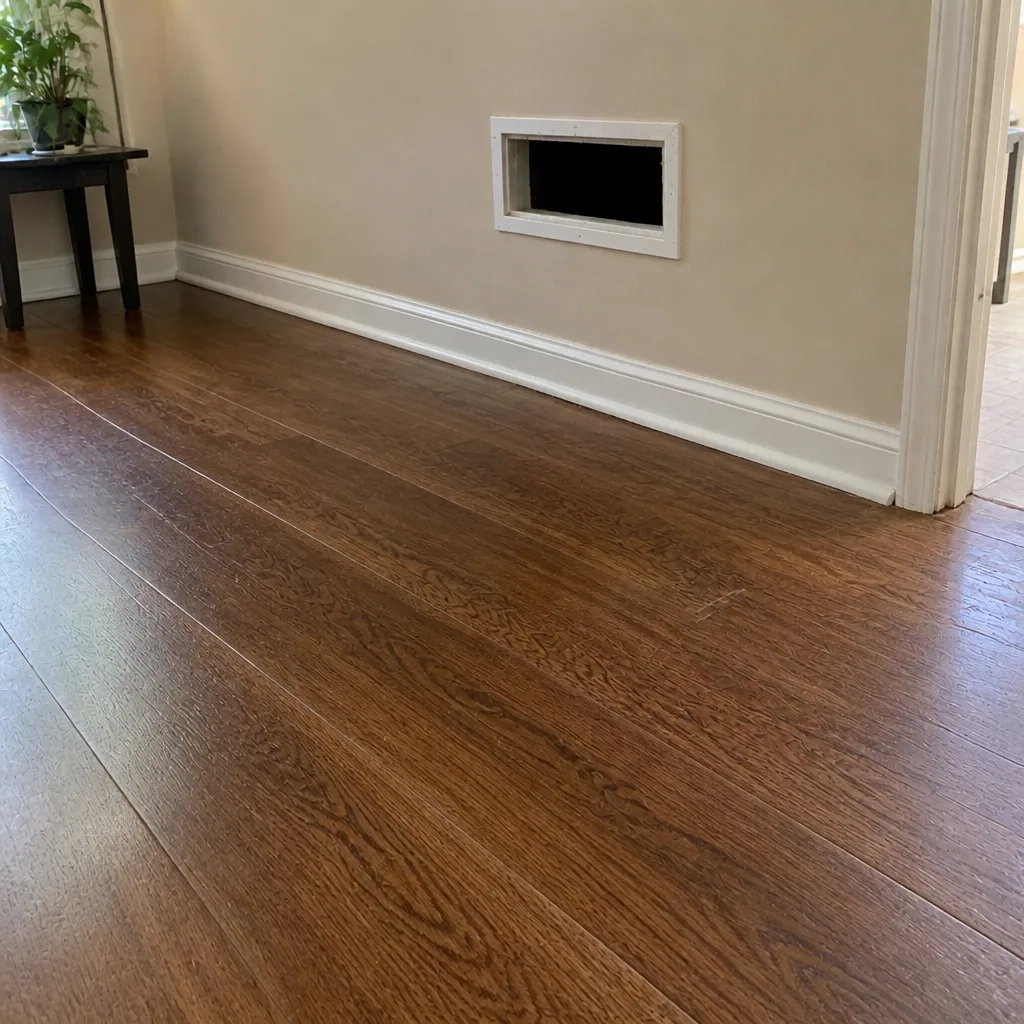
See the difference
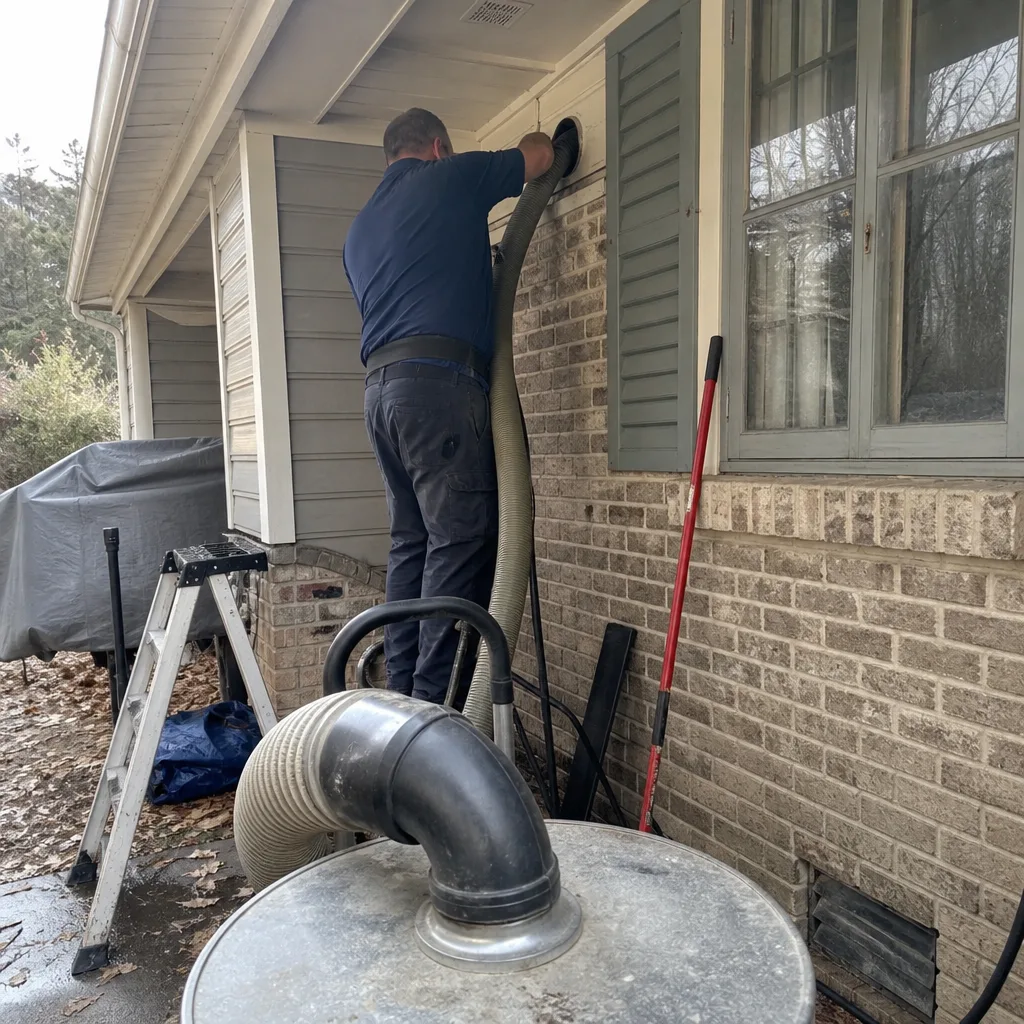 Before
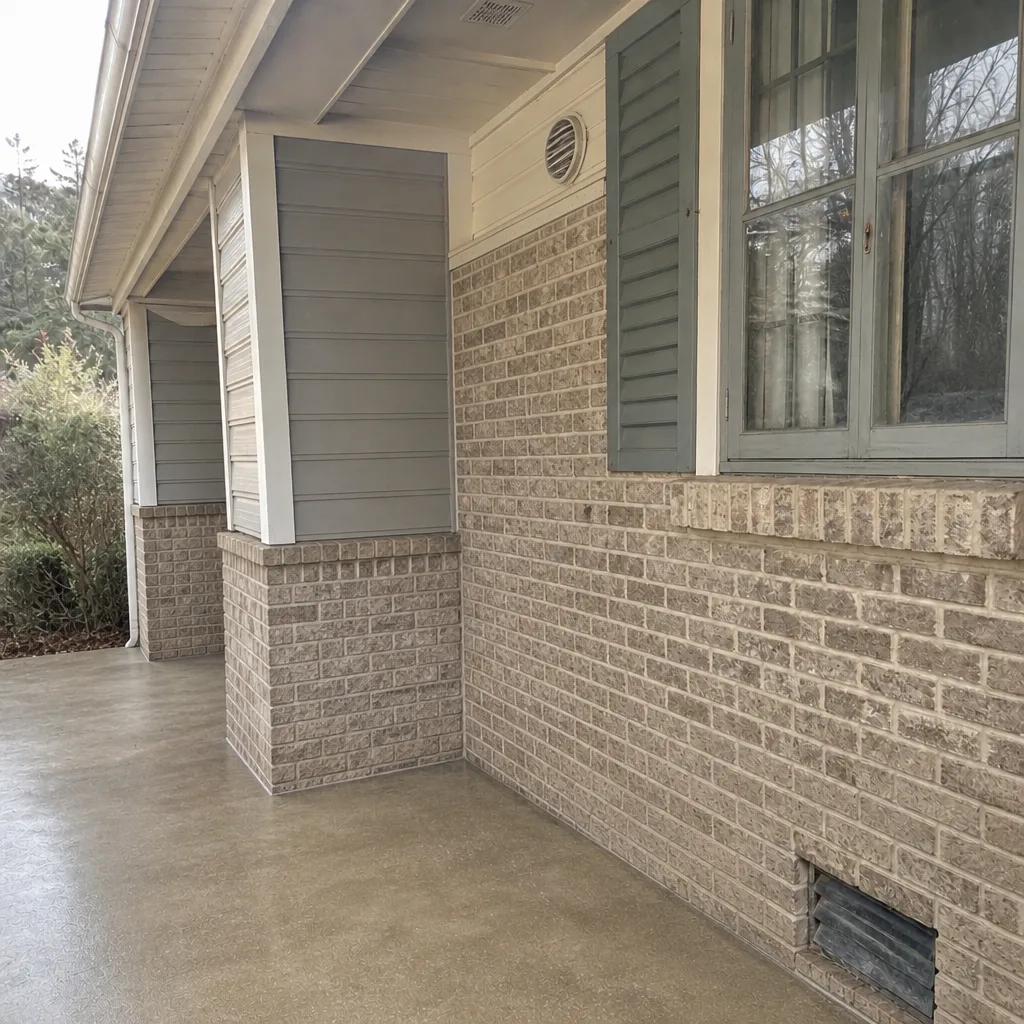 After
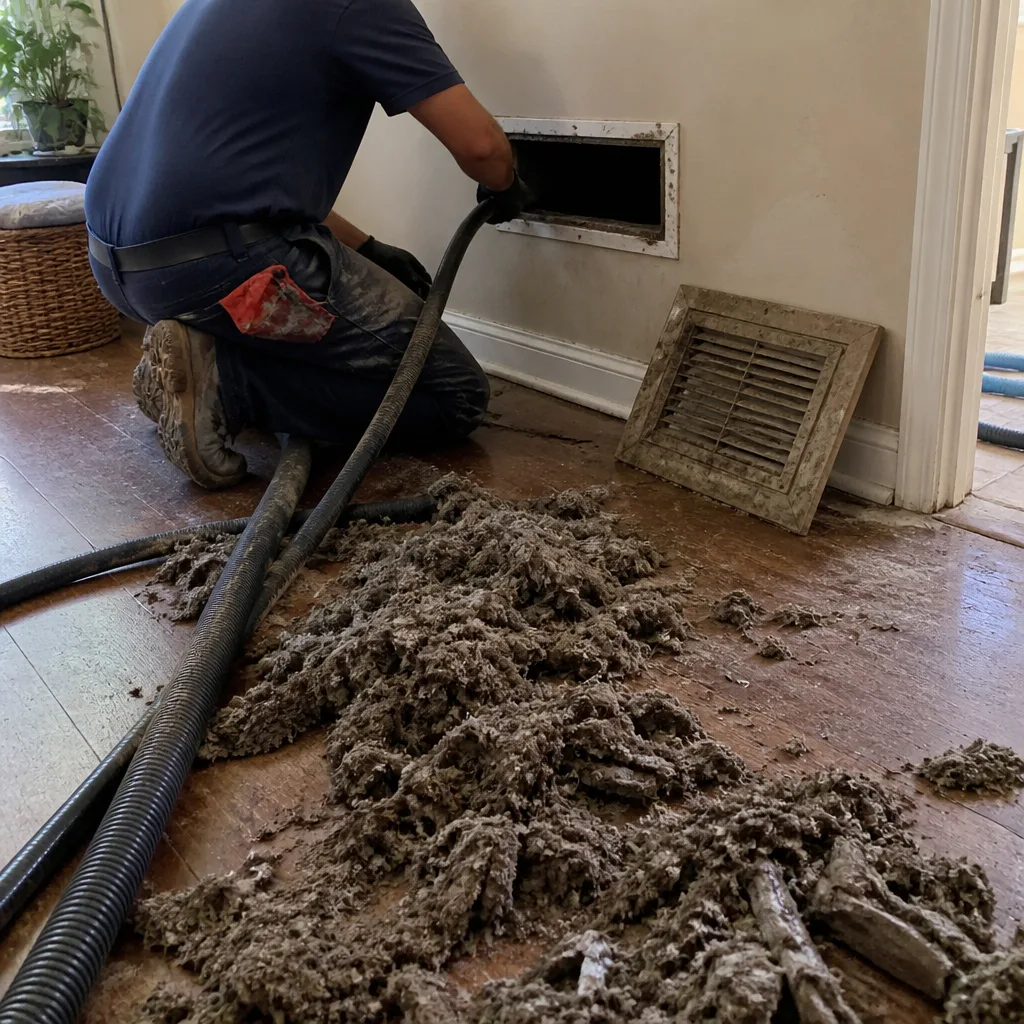 Before
 After
 Before
 After
Common Mistakes to Avoid
- Accepting a price without an inspection. A phone quote on an unseen system is a guess. The final invoice will change once the technician sees the vents.
- Choosing the lowest quote without checking the equipment. A shop-vac crew and a Rotobrush-equipped contractor are not selling the same service, even on the same house.
- Skipping the before-and-after documentation. Without photos, you have no way to verify the work happened. Any legitimate estimate includes them.
- Approving sanitizing sight-unseen. Sanitizing is a real service, but it should follow identification of a reason – odor, visible growth, moisture – not a sales script.
- Cleaning ducts without addressing leaks. Cleaning a leaky system in Adams Farm means recontaminating it as soon as the system runs again. Ask about sealing if the inspection reveals gaps.
- Forgetting the dryer vent. It’s a separate service with a separate safety benefit, and combining it with duct service is more efficient than booking separately.
- Assuming vent count doesn’t matter. The number of supply and return registers determines labor time. Have a count ready when you call, and confirm it matches what the estimate states.
When to Call a Professional
Duct cleaning is a scheduled job, not an emergency, but a few situations call for getting an estimate sooner rather than later. Visible dust streaks around registers, persistent musty odor when the system runs, recent renovation or pest activity in the home, allergy symptoms that worsen indoors, or a home purchase where documentation would help with the sale – all are good reasons to schedule an inspection. If a contractor opens the air handler and finds visible mold, that needs professional remediation, not a DIY mask and shop vac.
Air Duct Cleaning Adams Farm offers free estimates in Adams Farm – call (877) 770-1927. We answer 24/7. Fast dispatch from 7am to 7pm. Our technicians have up to 11 years of experience, and every estimate is written, per job, and set before any work starts.
Frequently Asked Questions
Typical estimates in Adams Farm run from $350 to $500 for basic cleaning, $500 to $800 for full-service with sanitizing, and $800 to $1,200 or more when sealing or repair is included. The exact price depends on square footage, vent count, stories, and duct material. Call (877) 770-1927 for an exact quote – estimates are free.
Cheap quotes usually reflect something missing from the estimate: no rotary brush agitation, no negative-air extraction, fewer vents cleaned, or no before-and-after documentation. A low price isn’t inherently dishonest, but it does describe a different service than a professional-grade cleaning. Ask which equipment will be used and request the vent count in writing. Call (877) 770-1927 if you’d like to compare the line items directly – estimates are free.
Before-and-after photos of the inside of your own ducts are the proof. A legitimate service includes them, and it’s reasonable to ask for them in the estimate. Save the images for your records, especially if you plan to sell the home. Call (877) 770-1927 to book a service with documentation included – estimates are free.
Most homes do well with a cleaning every three to five years, with some needing more frequent service after renovation, pest issues, or mold remediation. If nobody in the house has health concerns, airflow is strong, and registers are clean, waiting a year longer won’t cause harm. If you’re unsure, an inspection is the fastest way to know. Call (877) 770-1927 to schedule one – estimates are free.
Sanitizing adds real value when there’s a reason for it – odor, visible microbial growth, moisture, or post-remediation cleanup. When ducts are clean and dry with no odor, it’s optional. Ask the technician to show you what they found before approving the add-on. Call (877) 770-1927 to talk through the options – estimates are free.
Often, yes. Cleaning and sealing together address both the existing debris and the leaks that let new debris in, which is more efficient than scheduling them separately. If the inspection shows tight, dry joints, cleaning alone is the right call. Call (877) 770-1927 to discuss what your system needs – estimates are free.
The Bottom Line
The spread between air duct cleaning quotes in Adams Farm is wide because the services being offered are genuinely different. Professional-grade systems like Rotobrush and Nikro, documented with before-and-after photos, covering all supply and return vents, and paired with an honest diagnosis of leaks and dryer vent risks – that’s the top of the price range. A shop-vac operation that cleans the registers and leaves the rest is the bottom. Knowing the five line items every legitimate estimate should include gives you a fair basis for comparison, and if you’re ready to schedule in Adams Farm, call Air Duct Cleaning Adams Farm at (877) 770-1927. We answer 24/7. Fast dispatch from 7am to 7pm. The estimate is free and the price is set per job in writing before work starts.
Written by the team at Air Duct Cleaning Adams Farm.