
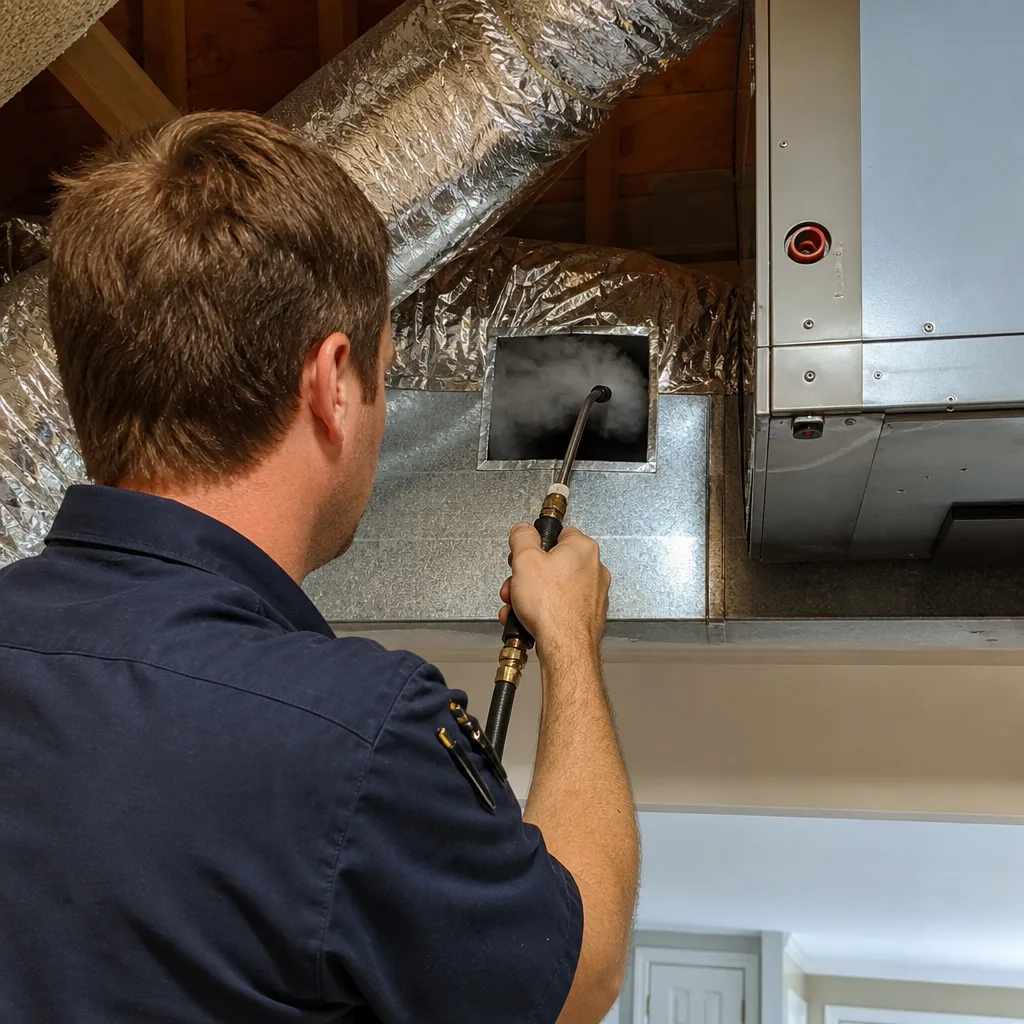
Last updated November 23, 2026
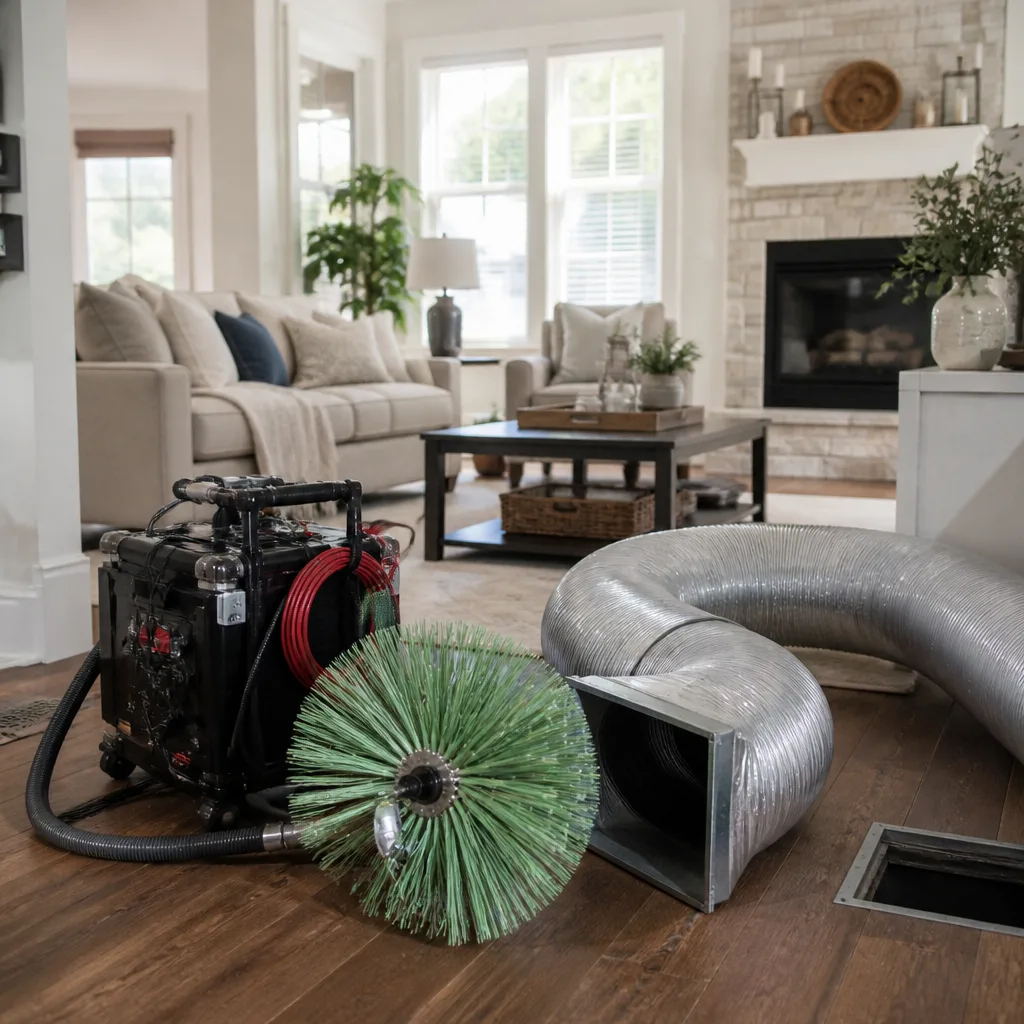 Whole-home duct cleaning
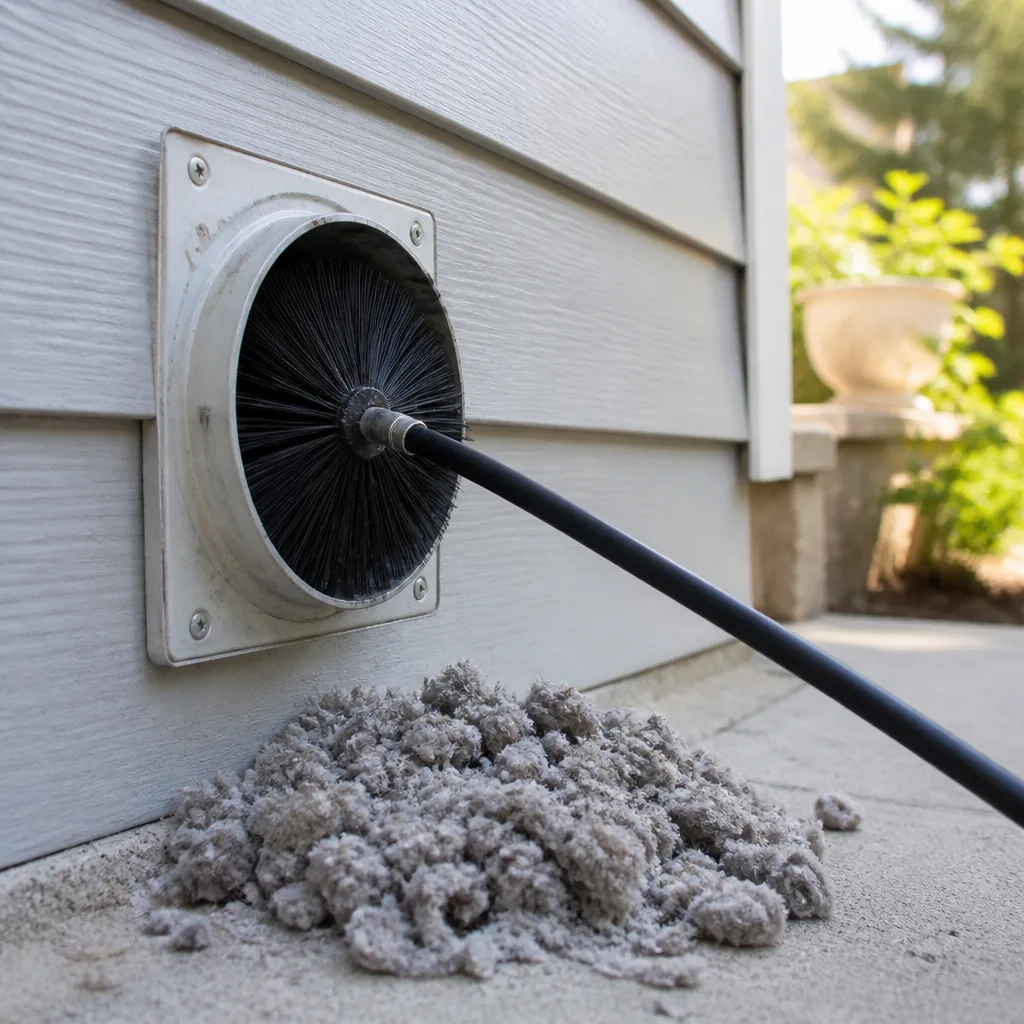 Dryer vent cleaning
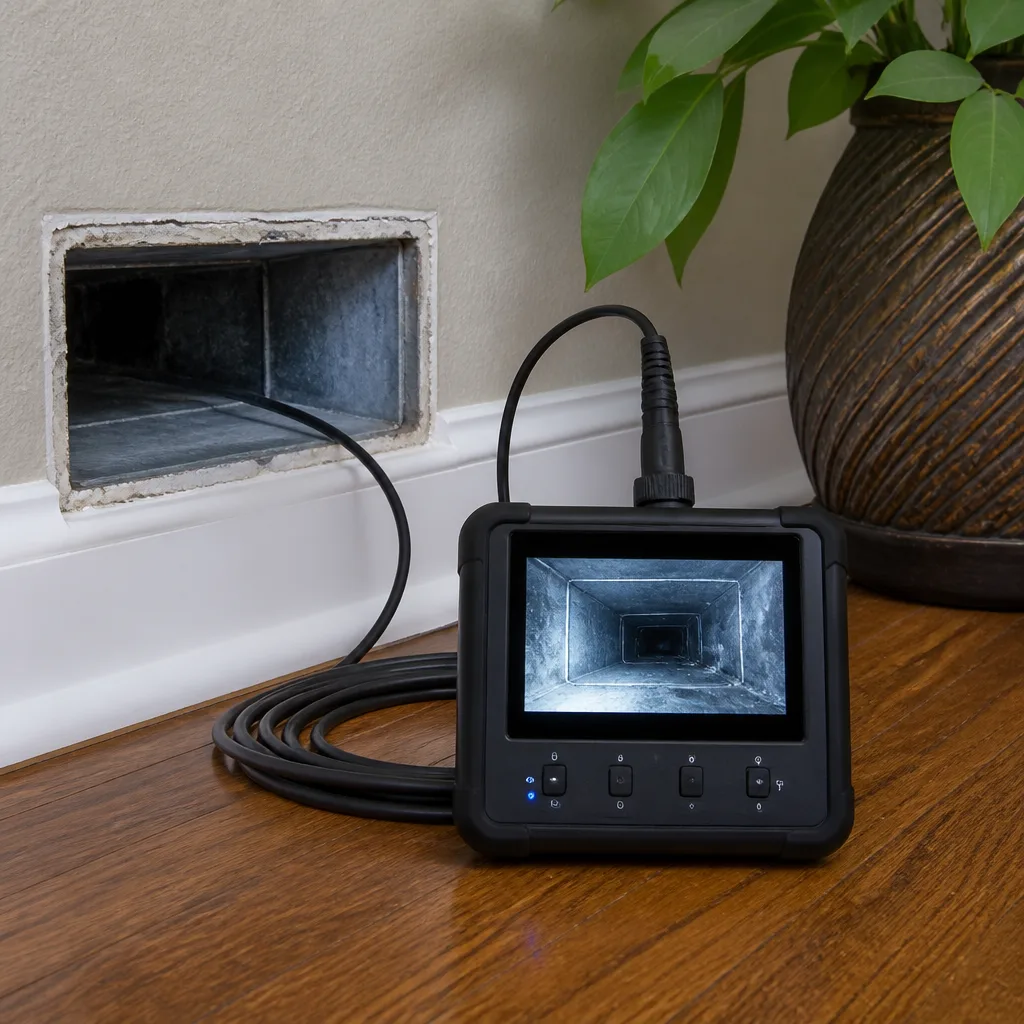 Camera inspection
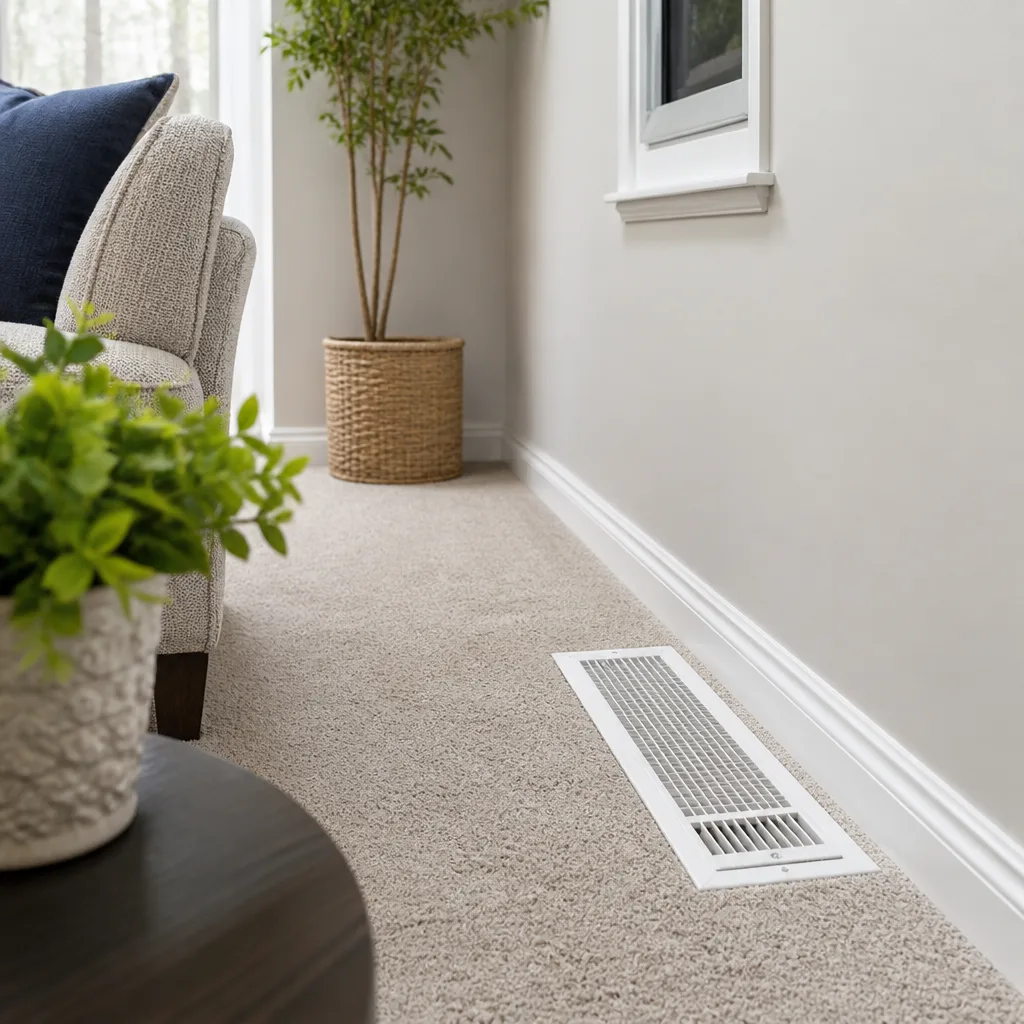 Sanitizing & deodorizing
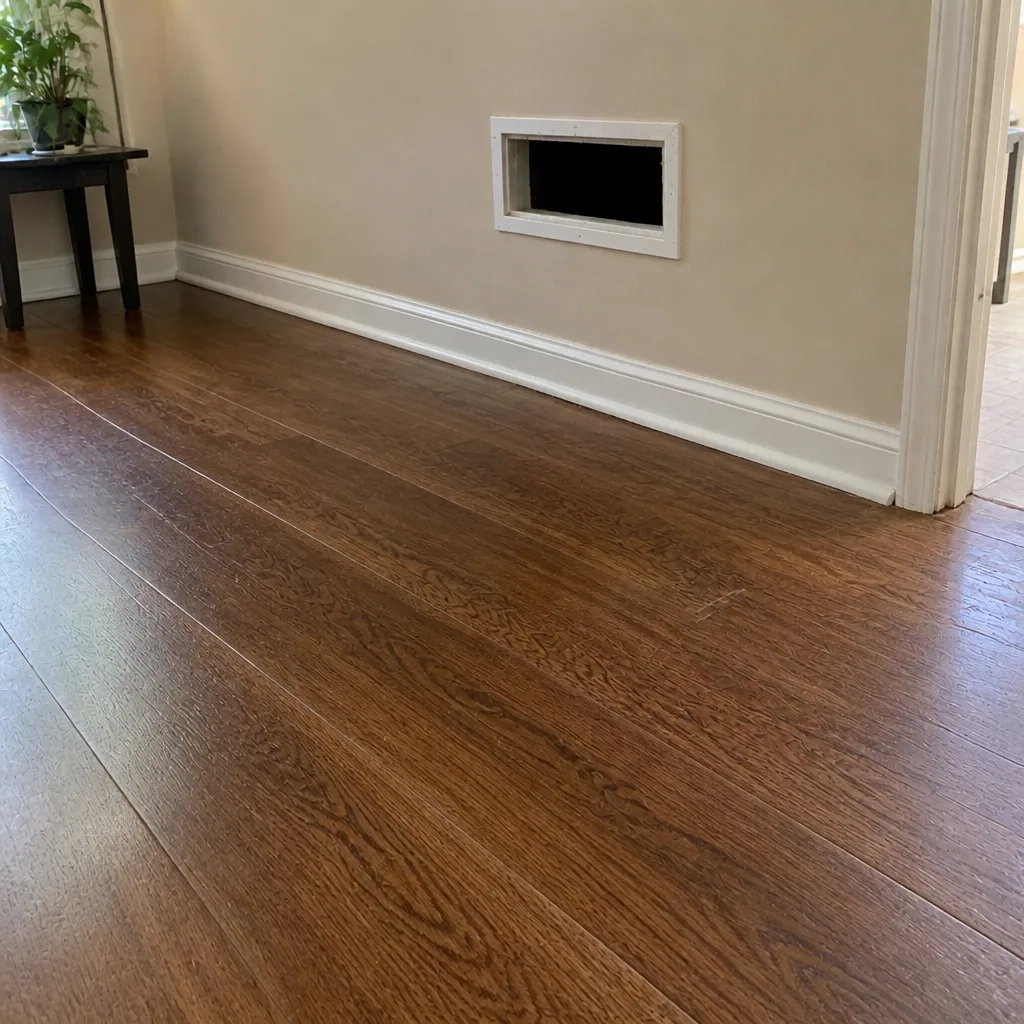
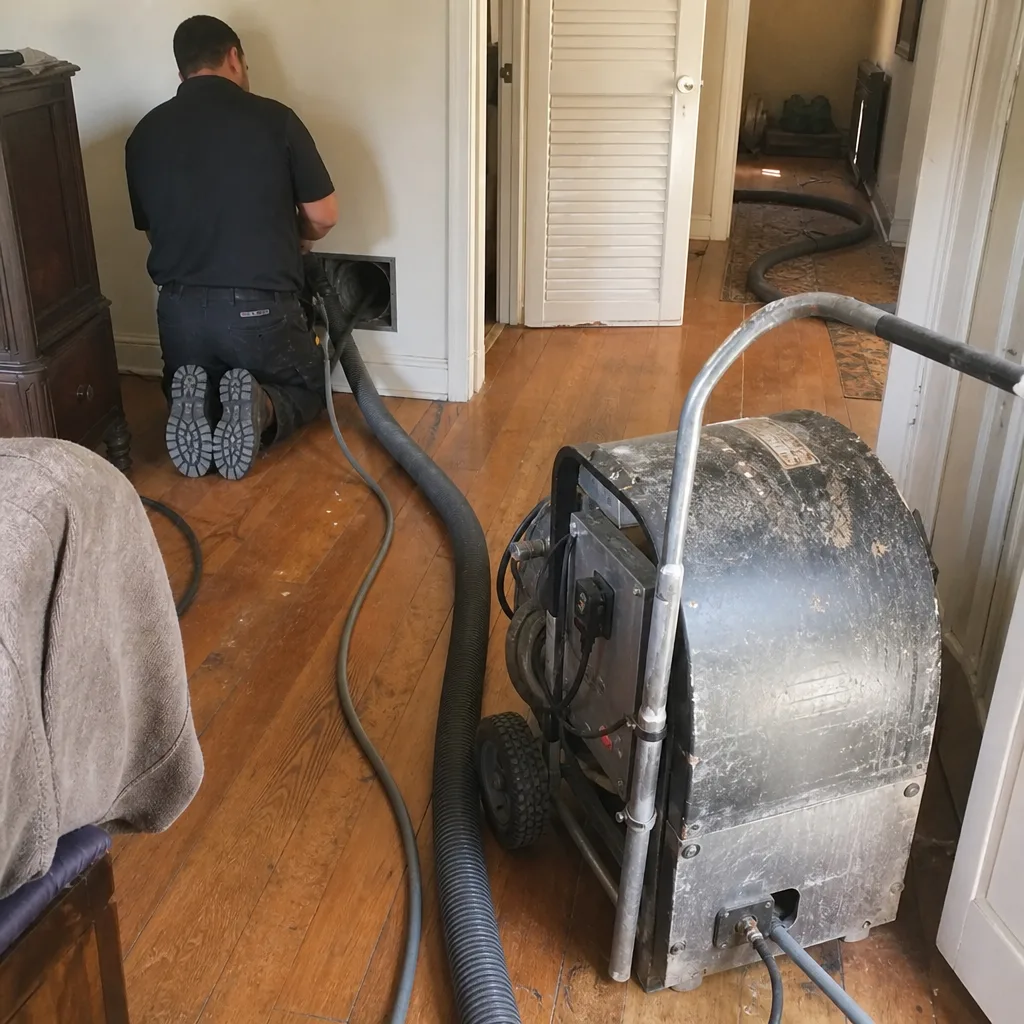
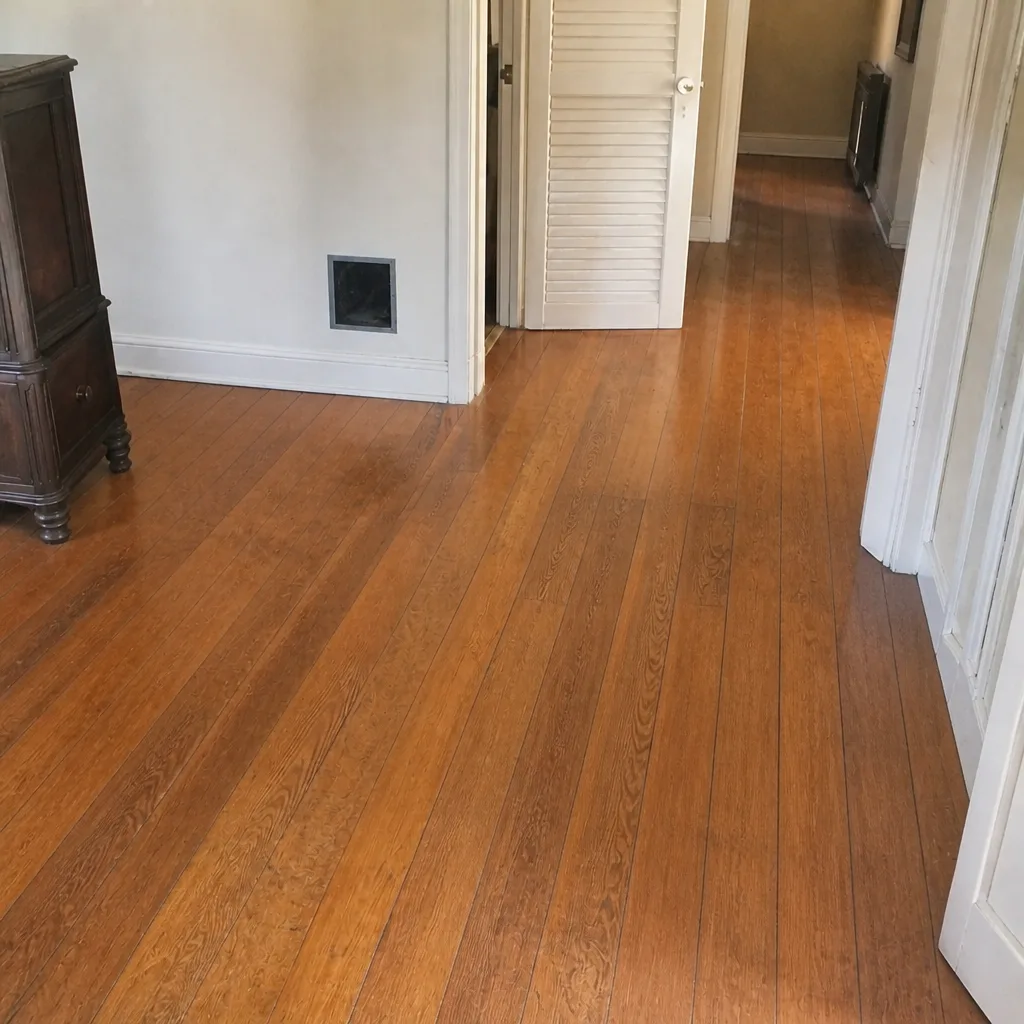
Whole-system duct and dryer vent check with before-and-after photos - you see exactly what came out of your vents
That "$99 whole-house special" is a bait ad - the real number appears once they are in your hallway, or the "clean" is a shop-vac at the register. We photograph the inside of your ducts before and after instead.
DIY vs Professional Air Duct Cleaning: The Adams Farm Homeowner’s Decision Guide
Most duct cleaning advice online draws a line that doesn’t exist in real homes. It tells you either to rent a vacuum and do the whole job yourself, or to hand over the keys to a truck and step out of the way. The truth sits in a much narrower place. There are specific tasks a homeowner can do well, and they matter more than the internet admits, plus a much larger set of tasks where the wrong tool and the wrong technique make conditions worse rather than better. This guide marks that boundary clearly for Adams Farm homeowners: what’s worth doing yourself, what’s genuinely off-limits with consumer equipment, and how to run maintenance between professional visits so the system stays ahead of buildup instead of chasing it.
Quick Answer
DIY air duct cleaning works for surface-level maintenance only: register grilles, return grilles, lint traps, and filters. It fails at anything inside the duct system itself, because a household vacuum generates roughly 100 to 150 CFM of airflow versus the 2,000 to 4,000 CFM of negative pressure a professional Nikro system creates. Main trunk lines, flex duct runs, and anything with suspected mold or post-renovation dust needs rotary brushing and negative-air extraction, not a shop vac.
Styles & brands we work with
- Whole-home duct cleaning
- Dryer vent cleaning
- Camera inspection
- Sanitizing & deodorizing
Table of Contents
- What DIY duct maintenance can legitimately accomplish
- The physical depth limit of consumer equipment
- Why negative pressure is the whole game
- When DIY makes the problem worse
- Flex duct, mold, and post-renovation dust: three red flags
- The complementary model: DIY between professional visits
- What professional air duct cleaning actually involves
- DIY vs professional: side-by-side comparison
What DIY duct maintenance can legitimately accomplish
We’re going to start here because so much duct cleaning content skips it. You can do real, useful maintenance on your system. It just isn’t the dramatic, brush-inside-the-duct kind. The tasks below are the ones worth your weekend, and they prevent the buildup that professional cleaning eventually has to remove.
1. Register grille cleaning (supply vents)
Pop the grille off each supply register with a screwdriver or by hand, depending on the style. Wash it in the sink with dish soap and warm water. Dry it fully before replacing it. While the grille is off, look up into the first few inches of the duct boot with a flashlight. You’re not cleaning this area, only assessing it: dust on the boot walls is normal, but caked-on buildup, visible biological growth, or packing material means it’s time for a professional look.
2. Return grille washing
Return grilles sit upstream of the filter and take the heaviest dust load in the house. In Adams Farm’s mixed hardwood and pine surroundings, spring pollen and late-summer dust can turn a return grille grey within weeks. Remove it, wash it, and clean the filter housing behind it with a damp cloth. This is one of the highest-value DIY tasks in the whole system, and most homeowners skip it for years.
3. Dryer lint trap clearing
The lint trap is only the first barrier. The real lint travels beyond it. Clearing the trap before every load is standard; we’d add a quick annual check of the flexible connector behind the dryer, which is where lint begins to accumulate against the foil. If the connector is crushed or the foil is torn, replace it. That’s a legitimate homeowner task and one of the many reasons dryer vent cleaning addresses one of the leading causes of residential fires.
4. Filter maintenance
Check the filter monthly and change it according to its rating and your household’s dust load. A 1-inch pleated filter typically wants changing every 60 to 90 days in a typical Adams Farm home. Don’t upgrade to a high-MERV filter without checking whether your blower is sized for it; a restrictive filter starves airflow and can cause coil freeze-up. If you’re unsure, call your HVAC contractor or ask us during an estimate.
The physical depth limit of consumer equipment
Here’s the honest constraint no YouTube tutorial shows you: your household vacuum cannot clean ductwork, because ductwork is a different physical medium. The main trunk line of a typical Adams Farm home is a sheet metal duct 8 to 14 inches in diameter, running 20 to 60 feet from the air handler to the far registers. A consumer vacuum hose reaches perhaps 5 to 6 feet before friction, bend angle, and lack of suction stall it out.
What a homeowner with a shop vac or household vacuum typically achieves is disturbing dust in the first 12 to 24 inches of the run. That’s it. The overwhelming majority of the ductwork – the trunk line, the long branch runs, the elbows where dust settles – is untouched. Worse, the disturbance can be net negative: the loose debris you pull toward you doesn’t all come out. Some of it lifts into the airstream the next time the blower kicks on and gets redistributed to the filter, the registers, and the surfaces downstream.
The professional gap isn’t a marketing claim. It’s mechanical. Rotary brush systems like the Rotobrush agitate the duct walls to release adhered debris, while a separate negative-air machine pulls that debris into a HEPA-filtered collection unit. Removing one side of that equation – the brush without the vacuum, or the vacuum without the brush – fails just as completely as cleaning the whole system with a shop vac.
Why negative pressure is the whole game
Negative pressure is the difference between “cleaned” and “disturbed.” A proper duct cleaning machine creates a pressure differential – a vacuum drawn on the duct system while the registers are sealed off – that pulls air and debris into a collection unit rather than into the living space. Consumer vacuums cannot create that differential because they lack the airflow volume to sustain vacuum through a long, sealed duct run.
The number that matters in the comparison is the airflow volume, measured in cubic feet per minute (CFM):
- Consumer shop vac: roughly 100 to 150 CFM, insufficient for anything beyond the first few feet of a duct.
- Professional negative-air machine (Nikro or similar): roughly 2,000 to 4,000 CFM, enough to hold sustained negative pressure across an entire residential duct system.
- Rotary brush agitation (Rotobrush and similar): releases adhered debris from duct walls; useless without the negative-air machine attached to a HEPA capture unit.
That’s a 20x to 40x gap in airflow – and it’s compounded by the fact that professional machines capture debris on HEPA media rather than blowing it back into the room. A shop vac with a standard filter, run inside a duct, doesn’t capture fine particles; it exhausts them. In an Adams Farm home with a family member who has seasonal allergies – a real category around our area’s oak and pine pollen seasons – that distinction matters more than the visible dust on the grille.
When DIY makes the problem worse
There are specific situations where the right move is to put the shop vac down and call us instead. Ignoring these scenarios doesn’t just waste a weekend; it can turn a manageable cleaning into a bigger repair.
Flex duct
Flexible duct has an inner liner that is thin, fragile, and easily punctured or torn by a brush, a hose fitting, or the wrong angle of a shop vac nozzle. A punctured liner doesn’t repair itself. It becomes a leak point that pulls attic or crawlspace air into the supply stream, which is exactly the condition you’re trying to avoid. If your duct system uses flex duct – common in homes built since the 1990s – DIY cleaning inside the duct should be off the table.
Suspected mold
If you can see dark staining, a musty smell, or fuzz growing around the duct opening or on the coil, don’t touch it. Disturbing mold growth with a household vacuum spreads spores across the room and into the airstream. That calls for professional negative-air extraction plus a sanitizing step – the kind of work our Guardsman treatment is designed for, part of the same service category as air duct cleaning.
Post-renovation dust
Drywall dust, sawdust, and construction debris are the worst DIY scenario because they’re fine enough to redistribute as an airborne cloud. A shop vac run through a duct system after a renovation often throws more dust into the living space than it removes. If you’ve recently finished a kitchen remodel or a room addition, that’s a professional-clean situation.
Flex duct, mold, and post-renovation dust: three red flags in detail
Let’s walk through each of these scenarios with the specific reasons they flip DIY from productive to counterproductive. In our experience, these are the three cases where homeowners most often call us after attempting the job themselves, and the cleanup is always easier than the repair.
Flex duct – the puncture problem
Flex duct is a mylar-lined, wire-reinforced hose. The liner is airtight, and the wire coil gives it shape. Running a brush or a vacuum nozzle inside it risks piercing the liner and crushing the wire in a way that reduces airflow permanently. Professional cleaning on flex duct uses controlled rotary tools with soft bristles and controlled pressure; consumer tools aren’t designed for the material.
Mold – the spore problem
Mold needs three things: moisture, organic material (dust is enough), and time. In Adams Farm’s humid summer stretches, an under-insulated duct run through an unconditioned attic can sweat – condensation forms on the cold metal, and mold begins within days. If you see the growth, don’t vacuum it. Professional service combines removal with a sanitizing step (Guardsman) to knock down the colony and prevent immediate regrowth.
Post-renovation debris – the fine-particle problem
Standard shop vac filters capture particles of a certain size. Drywall dust is finer than most shop vac filters can hold. That means shop vac use after renovation exhausts fine particles back into the air. Professional negative-air equipment captures on HEPA media and holds the debris until disposal outside the home. If you’re renovating, tack on HVAC cleaning as a documented close-out step rather than a random weekend project, and you’ll save yourself the second cleanup.
The complementary model: DIY between professional visits
The better question isn’t “DIY or professional?” but “which tasks belong to whom, and how often?” The homeowner who maintains the register-and-filter side of the system on a regular schedule gets more effective years between professional cleanings, and the professional cleaning itself takes less time because the system hasn’t been allowed to accumulate.
Here’s the model we recommend to Adams Farm homeowners:
- Monthly: Check (and if needed, change) the filter. Wipe down the nearest return grille with a damp cloth.
- Every 2 to 3 months: Remove, wash, dry, and reinstall the return grilles. Pop off the supply registers and wipe the visible boot area.
- Before every dryer load: Empty the lint trap. Any lifting or tearing of the foil connector behind the dryer is a same-day replacement.
- Annually: Visually inspect all accessible duct runs and the air handler closet. If you see staining, excessive dust buildup, or dark patches around the coil, call for an inspection.
- Every 2 to 4 years, or after renovation, moving, or visible mold: Schedule professional cleaning, sealing, and – if indicated – sanitizing. See the full service from Air Duct Cleaning Adams Farm.
That schedule works because it separates the tasks by machine. Everything in the maintenance routine uses only a bucket, a cloth, and a household vacuum – no duct access required. The professional tasks all require negative-air extraction, rotary brushing, and controlled pressure. Both sides do their job; neither side pretends to do the other’s.
What professional air duct cleaning actually involves
So you know what you’re buying when you call a professional, it helps to see the sequence. This is close to how our service runs from the first inspection to the final before-and-after documentation.
- Inspection and assessment. We identify duct material (sheet metal, flex, or a mix), duct condition, filter placement, and any signs of pest activity, moisture, or mold. Registers are counted for accurate scope.
- Seal and set negative pressure. Every register is sealed off and a single collection point is set at the air handler or a duct access. The Nikro unit runs on high to establish a HEPA-filtered negative pressure across the system.
- Rotary brush agitation. A Rotobrush rotary brush travels the duct runs, freeing adhered dust from the walls. The brush diameter is matched to the duct so it contacts every wall surface without stressing joints.
- Containment and extraction. Debris flows to the collection unit rather than into the home. HEPA capture holds the fine fraction.
- Compressed-air and vacuum sweep of the air handler and coil. The furnace cabinet, blower, and coil get the same treatment as the ducts, since the coil is where the dust accumulates before it lands anywhere else.
- Sealing and repair. Loose joints, tape gaps, and disconnected runs get sealed. This is the step most cleaning-only services skip; sealing is what stops the next round of dust from pulling into the duct from an attic or crawlspace.
- Sanitizing (Guardsman) if indicated. A deodorizing and antimicrobial treatment applied to the duct walls when moisture, odor, or visible growth is present.
- Before-and-after photos. You see the inside of your own ducts – before and after – not a stock photo.
That eight-step sequence is what separates the professional service from the shop vac. Two of those steps – sealing and sanitizing – are the ones homeowners most often don’t realize are part of a complete job. For long-term air quality we can also pair the cleaning with Honeywell or Aprilaire filtration and humidification products, and with Abatement Technologies components for specific indoor-air needs, so the system stays cleaner between visits rather than needing repeat cleanings.
DIY vs professional: side-by-side comparison
This table is the short version if you’re trying to decide whether a task belongs on your list or ours.
| Task | DIY | Professional |
|---|---|---|
| Wash supply and return grilles | Yes – best done yourself | Not needed |
| Filter change and filter-housing wipe-down | Yes – monthly check | Confirms filter rating is sized for blower |
| Dryer lint trap clearing | Yes – before every load | Not needed |
| Inside the duct runs (trunk lines, branch runs) | No – wrong tool, wrong airflow | Yes – Rotobrush + Nikro |
| Flex duct interior | No – puncture risk | Yes – controlled tool pressure |
| Suspected mold | No – spore redistribution | Yes – negative-air + Guardsman sanitizing |
| Post-renovation debris | No – fine-particle cloud | Yes – HEPA capture |
| Sealing leaks and joints | No – requires duct access | Yes – part of the repair scope |
| Air handler and coil cleaning | Not safely | Yes – included with professional service |
Common Mistakes to Avoid
- Running a household vacuum hose into a duct. It doesn’t extract more than the first few feet, and it often redistributes settled dust into the airstream on the next blower cycle. Your return grilles are the actual surface to clean.
- Using a shop vac inside flex duct. Flex duct liner is thin and easily punctured; a puncture becomes a permanent leak pulling attic or crawlspace air into the supply. In Adams Farm homes built in the last three decades, this is the most common mistake we fix.
- Vacuuming visible mold growth. Shop vac filters don’t hold spores. Disturbing mold spreads it through the room and into the airstream. Leave that job to a professional with negative-air extraction and a sanitizing step.
- Cleaning ducts after a renovation with consumer tools. Drywall dust is finer than most shop vac filters can hold; you’ll blow it into the air, not out of the system. Schedule professional cleaning as part of renovation close-out.
- Upgrading to a high-MERV filter without verifying blower sizing. A filter the blower can’t push through starves airflow and can freeze the coil. Check your system spec or ask during the estimate.
- Ignoring the dryer vent behind the lint trap. Foil connector crush and lint accumulation against the back of the dryer are visible on a quick annual inspection. If the connector is torn or crushed, replace it before running the dryer again.
- Skipping the sealing step after cleaning. Cleaning without sealing leaves the same leaks that pulled dust in from attic or crawlspace. Without sealing, you’ll be back in the same condition within a couple of years.
- Skipping before-and-after documentation. If your ducts are cleaned but you can’t see what was inside them before and after, you have no evidence of the work. Ask for photos of your own ducts.
See the difference
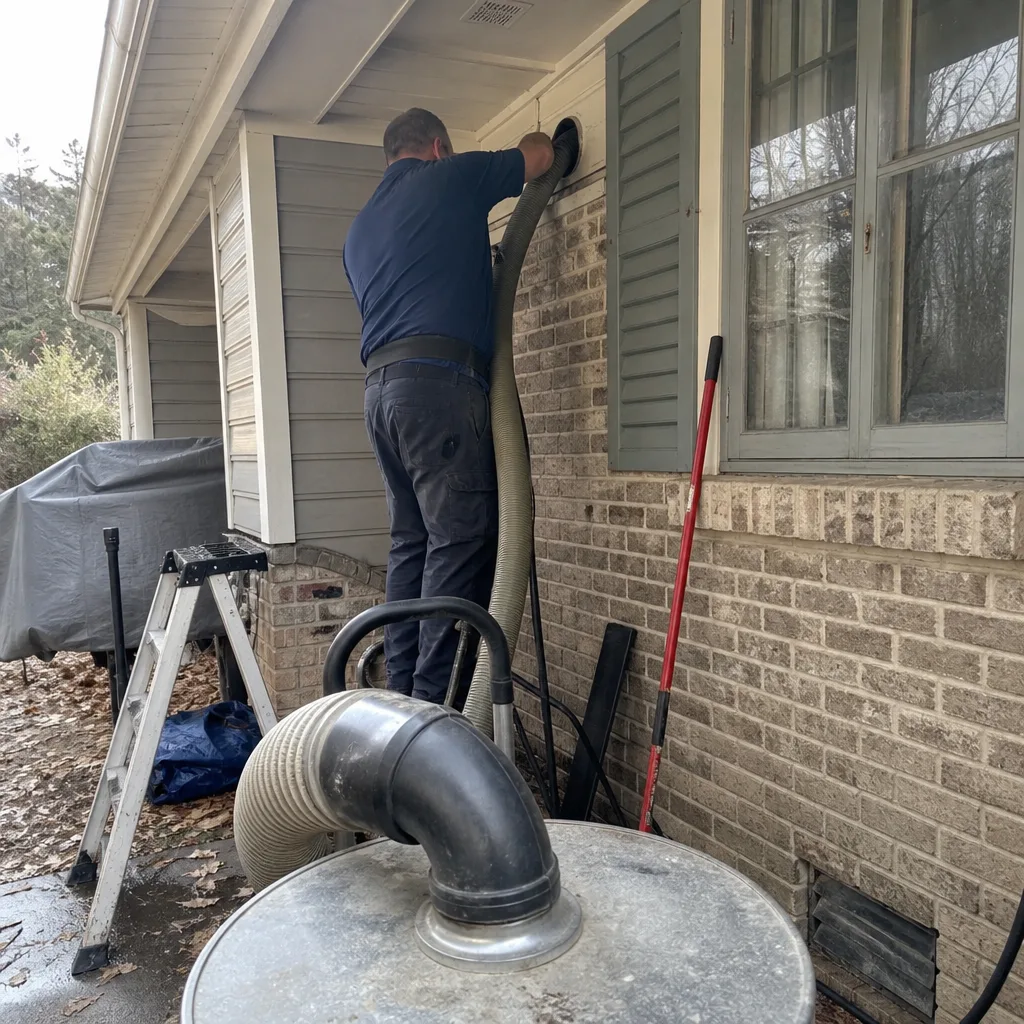 Before
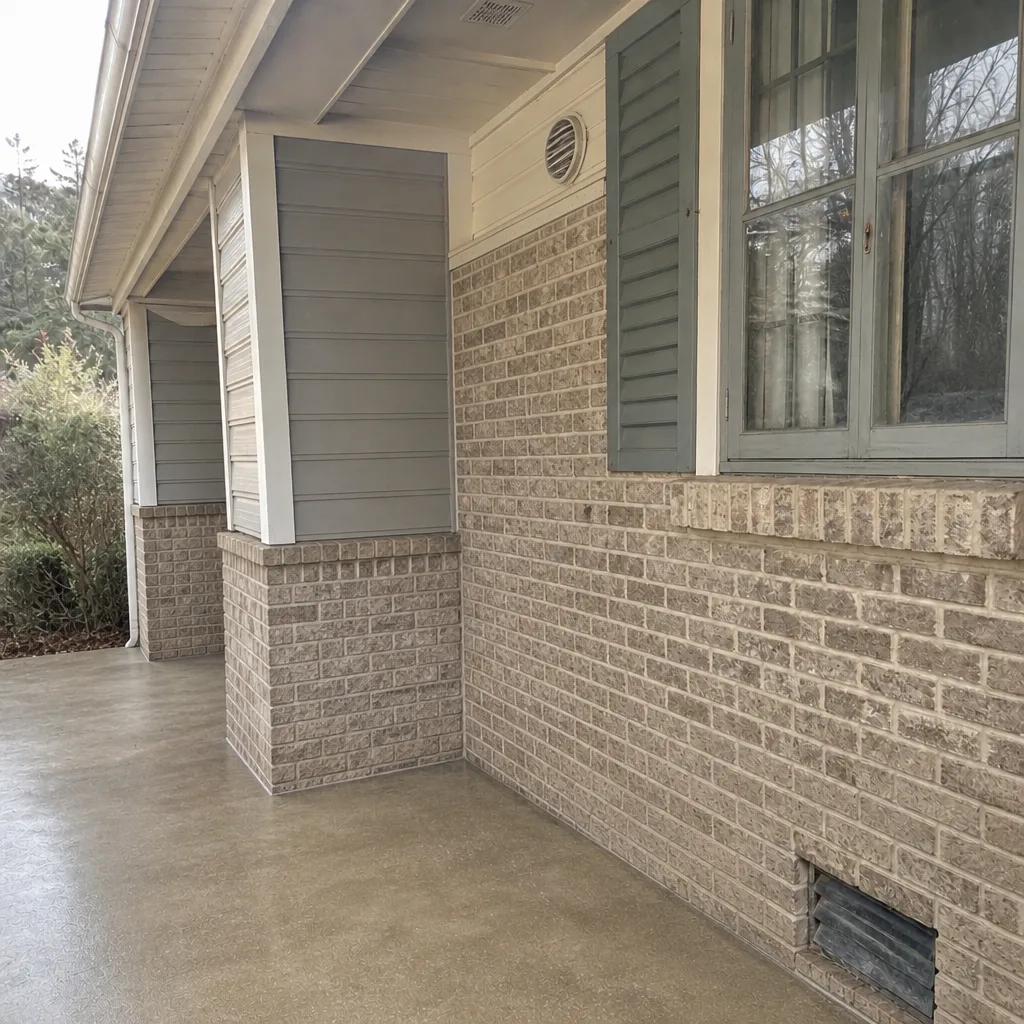 After
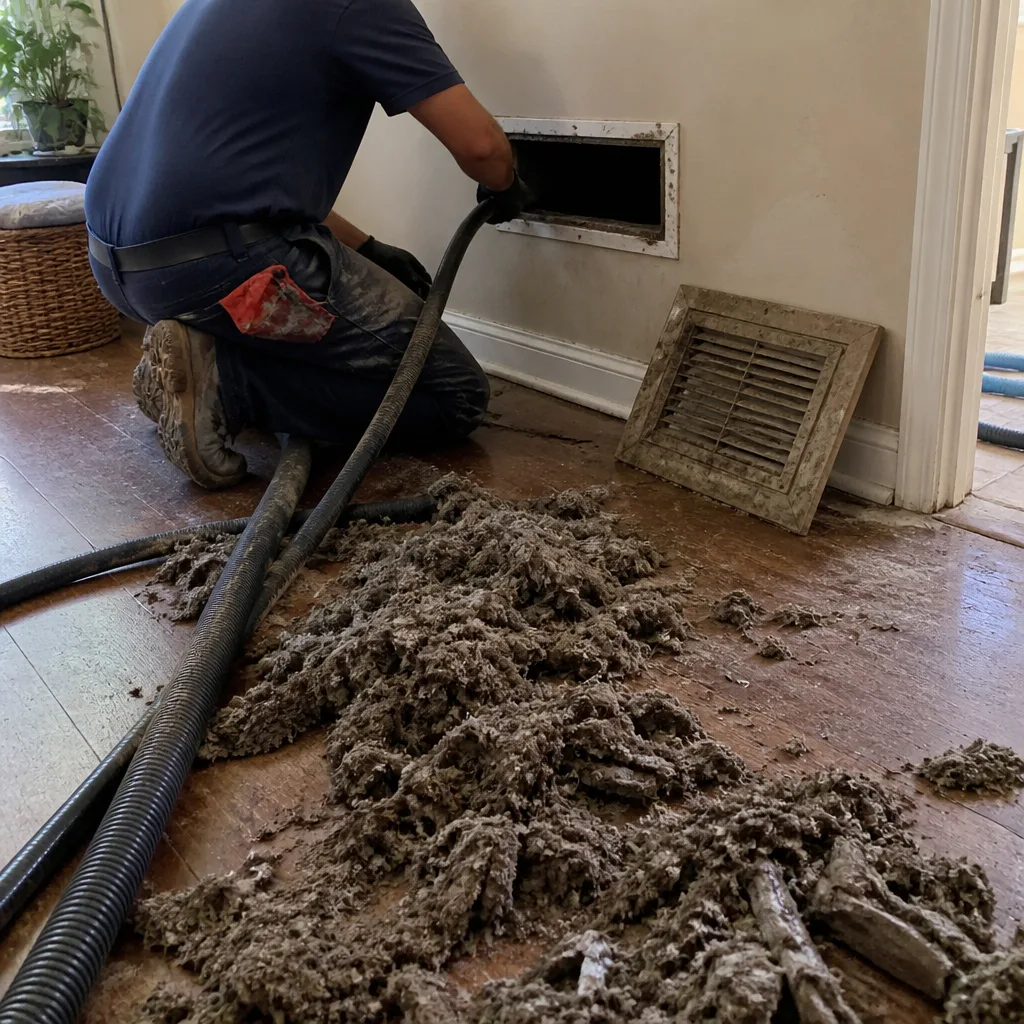 Before
 After
 Before
 After
When to Call a Professional
Call when any of the following is true: you see visible mold inside a duct or around the coil; your ducts are flex and you want them cleaned; you’ve just finished a renovation; you’re moving into a newly purchased Adams Farm home and want the duct system documented as clean; you notice musty odor when the air handler runs; or it’s been three or more years since the last cleaning. Each of these situations calls for equipment you can’t buy at a hardware store: rotary brushing, HEPA-captured negative-air extraction, Guardsman sanitizing, and duct sealing. If you’re unsure, ask for an inspection. Air Duct Cleaning Adams Farm offers free estimates in Adams Farm – call (877) 770-1927. We answer 24/7. Fast dispatch from 7am to 7pm, Sunday through Friday.
Frequently Asked Questions
Not effectively. A shop vac generates roughly 100 to 150 CFM of airflow versus the 2,000 to 4,000 CFM of a professional Nikro negative-air system, so it can only disturb the first foot or two of a duct run – and often redistributes the dust into the airstream rather than removing it. Clean the register grilles and return grilles with a bucket and cloth; leave the duct interior to professional equipment. Call (877) 770-1927 for a free estimate on the rest.
Every two to four years for most homes, sooner after a renovation, a move, visible mold, or pest activity. Adams Farm’s humid summer stretches accelerate dust adhesion to duct walls, and pollen-heavy spring and fall seasons add fine particles to the return grilles, so the timing leans toward the shorter end of that range if anyone in the household has seasonal allergies. Between cleanings, monthly filter checks and quarterly grille washing extend the interval. Call (877) 770-1927 for the exact interval your home’s duct system warrants.
Rotobrush is a rotary brush system – it physically agitates adhered debris from duct walls, while a separate negative-air machine (like Nikro) captures the debris on HEPA media. A shop vac does neither: it doesn’t agitate, and its filter doesn’t capture fine dust. The two systems are meant to be paired; that’s why professional cleaning follows one step with the other, and why DIY cleaning inside the duct always falls short. Our technicians have up to 11 years of experience running both.
No. Household vacuum filters don’t hold mold spores, so the spores pass through and redistribute into the room and into the airstream. Mold removal needs HEPA-captured negative pressure plus a sanitizing step (Guardsman is our product of that type) to knock down the colony after removal. If you see visible growth, don’t touch it. Call (877) 770-1927 for an inspection – free estimates.
Yes – for the surfaces outside the duct. Wash the register grilles, clear the dryer lint trap, check the flexible connector behind the dryer, and maintain the filter on schedule. What you can’t safely do is run a brush or vacuum nozzle inside flex duct; the liner is thin and easily punctured, and a puncture becomes a permanent leak. For the interior, call for professional cleaning. Call (877) 770-1927 for a free estimate.
Ask for before-and-after photos of your own ducts. A professional service photographs the duct interior from a sealed access point, before and after the work, and shows you the collection unit’s HEPA filter afterwards. That’s the evidence; no other claim substitutes for it. If your ducts are in Adams Farm and you want a documented cleaning, call (877) 770-1927. We answer 24/7. Fast dispatch from 7am to 7pm, Sunday through Friday. Estimates are free, and the price is set per job by the written estimate.
The Bottom Line
DIY air duct maintenance is real, useful work – register grilles, return grilles, lint traps, filters. It pays back over the years because it slows the buildup that eventually requires professional cleaning. But the equipment gap between a shop vac and a Nikro negative-air system is 20x to 40x in airflow, and the physical limit of consumer tools is closer to 24 inches than most tutorials admit. In Adams Farm homes with flex duct, suspected mold, or post-renovation dust, DIY cleaning inside the duct is more likely to cause a problem than fix one. The right model is complementary: regular maintenance on your side, professional cleaning, sealing, and sanitizing on ours. Clean, sealed, and sanitized beats cleaned-and-hopeful every time.
Contact Us for a Free Estimate
If you’re ready to schedule a professional cleaning, sealing, and sanitizing service – or if you want an inspection before deciding whether your system needs one – call (877) 770-1927. We answer 24/7, fast dispatch from 7am to 7pm, Sunday through Friday. Estimates are free, and the price is set per job by a written estimate agreed before any work starts. We’ll show you before-and-after photos of your own ducts, explain exactly which steps your system needs, and leave you with a clear record of what was done.
Written by the team at Air Duct Cleaning Adams Farm.