
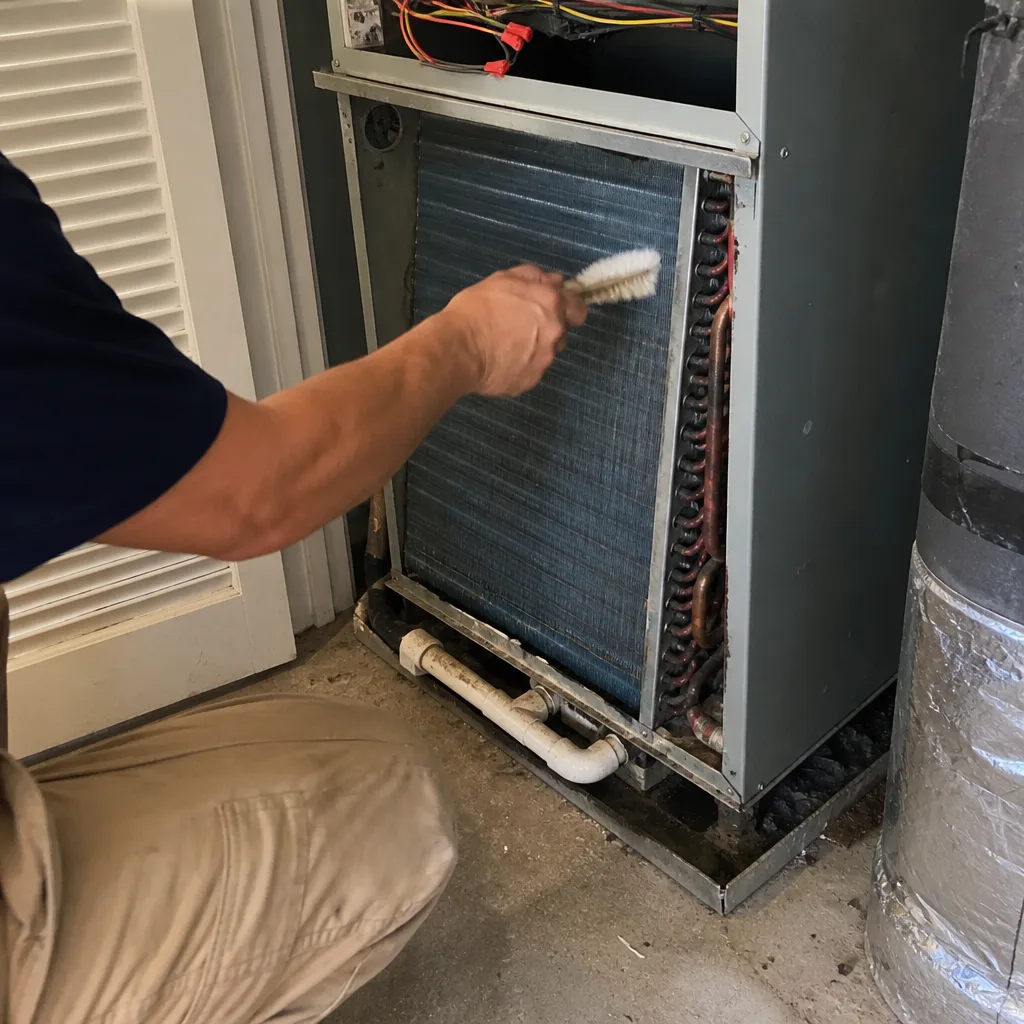
Last updated November 23, 2026
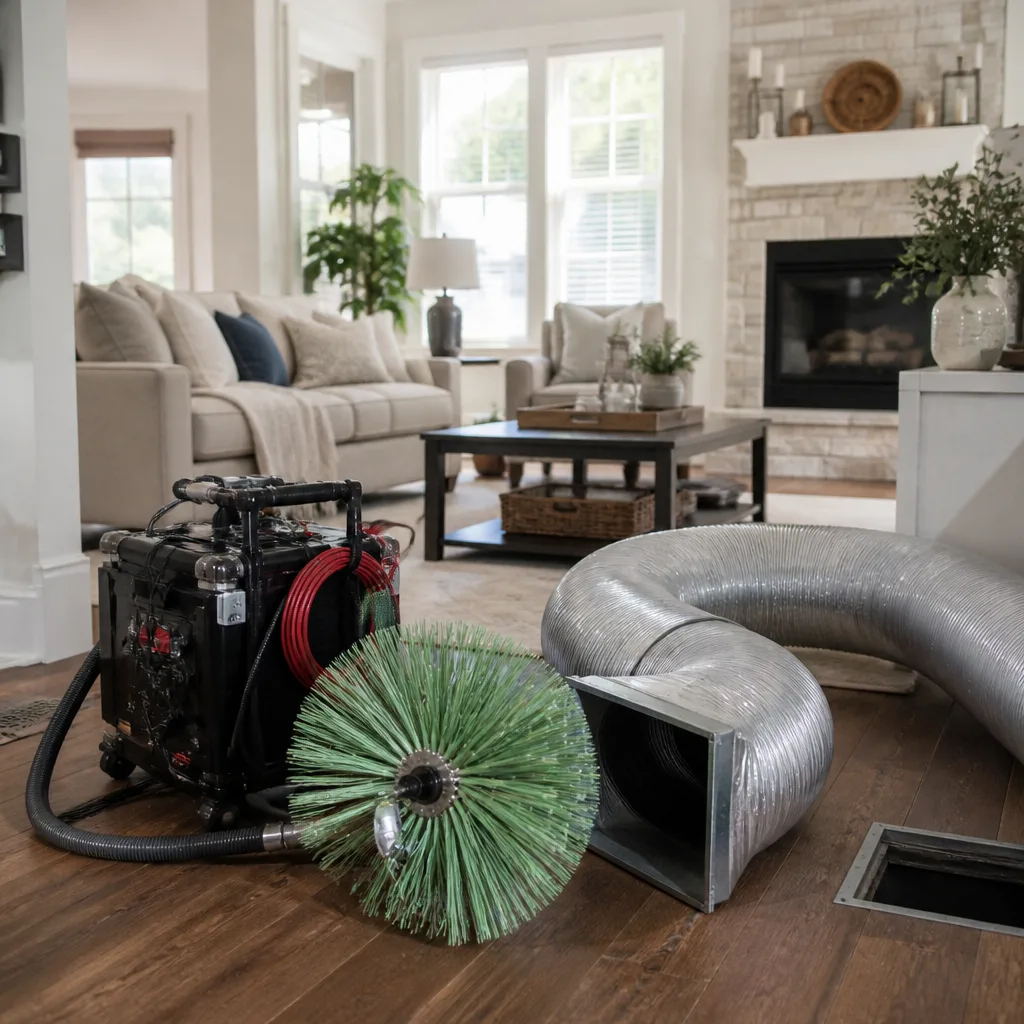 Whole-home duct cleaning
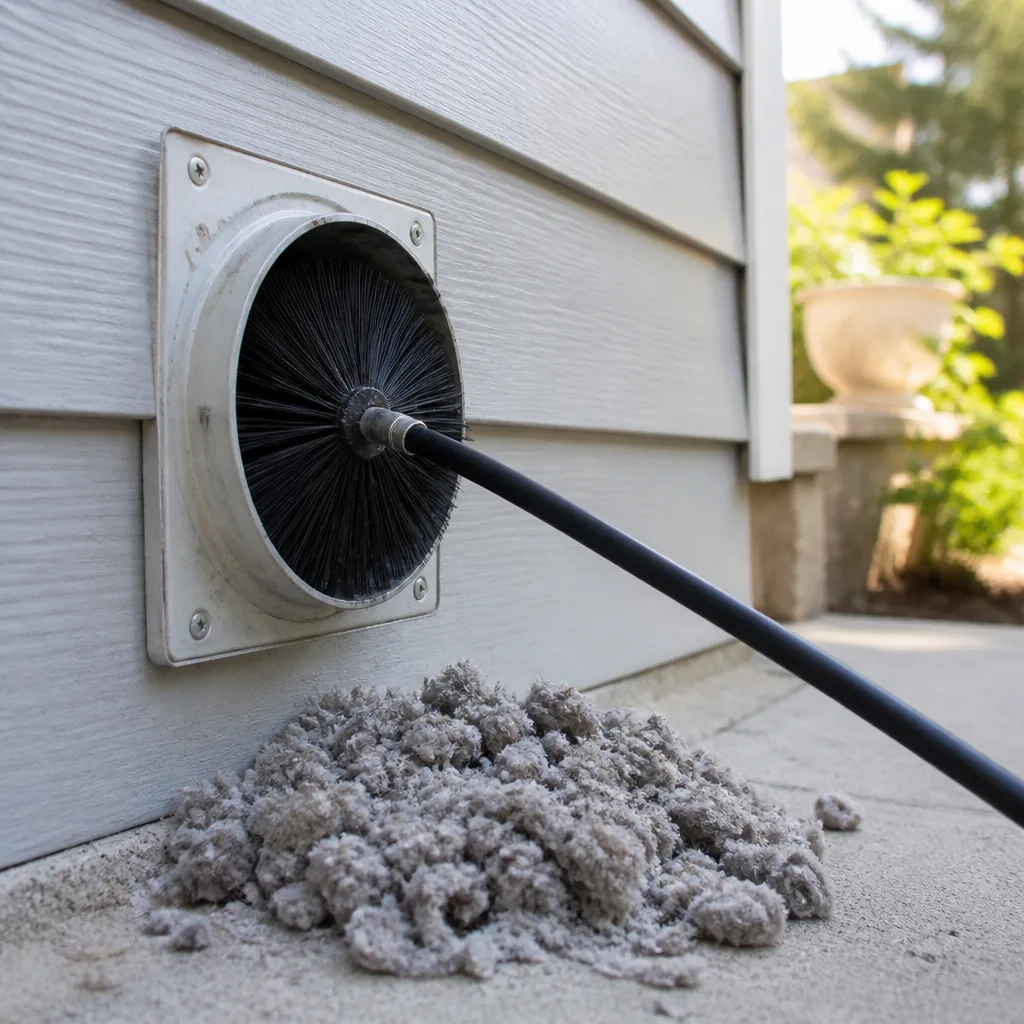 Dryer vent cleaning
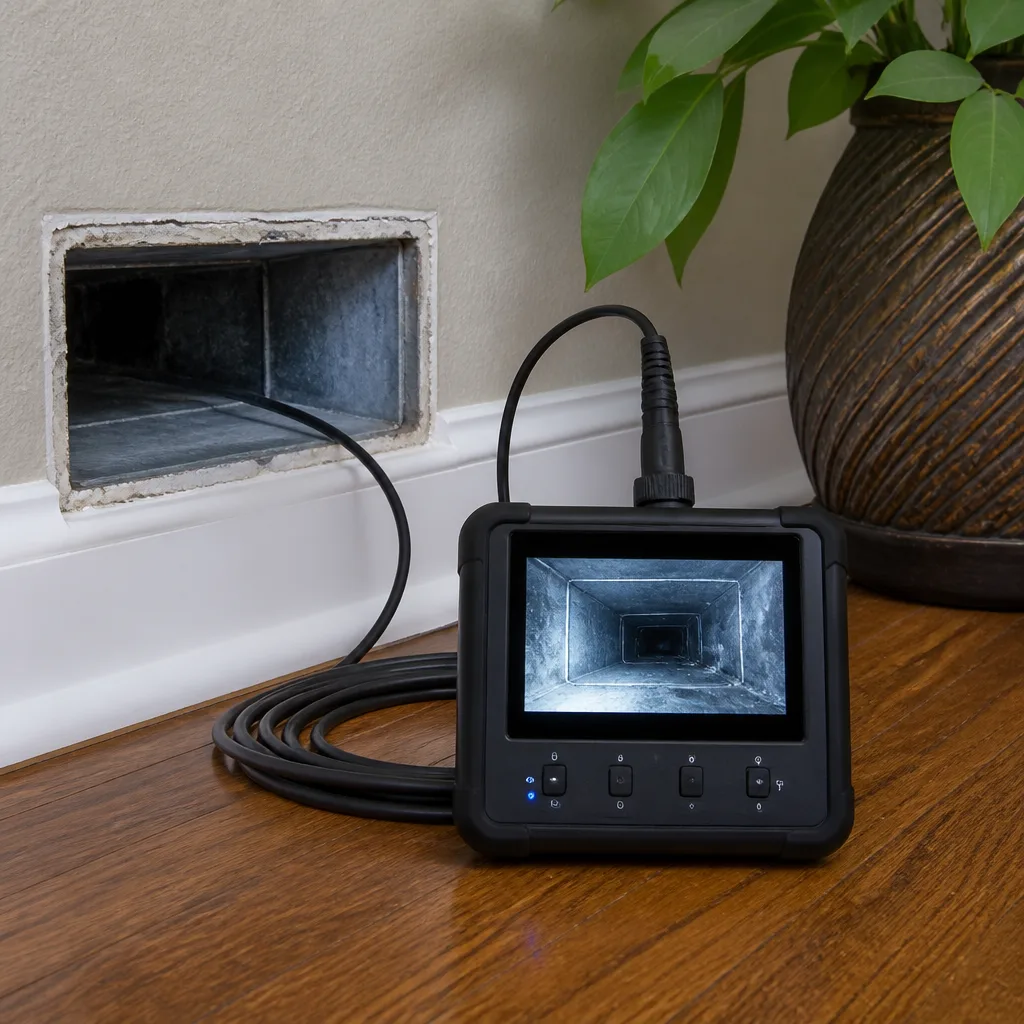 Camera inspection
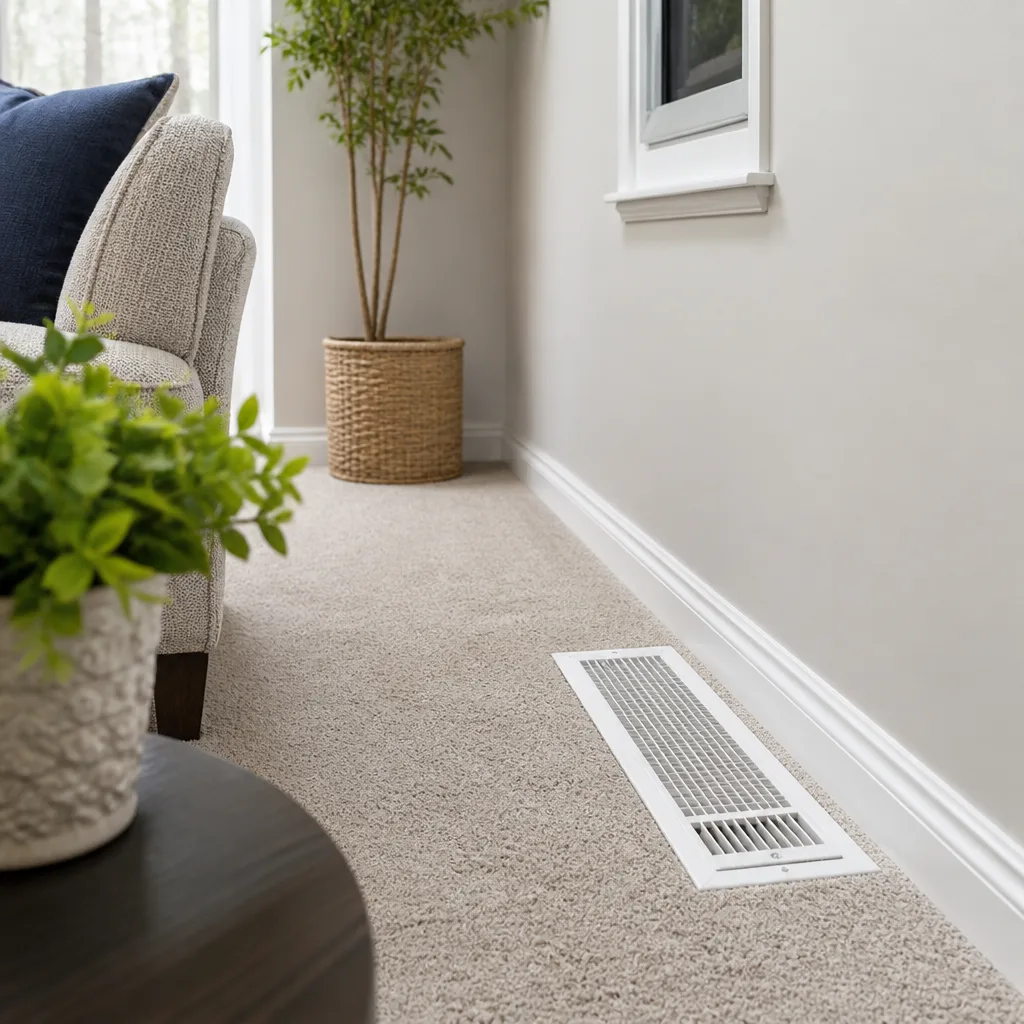 Sanitizing & deodorizing
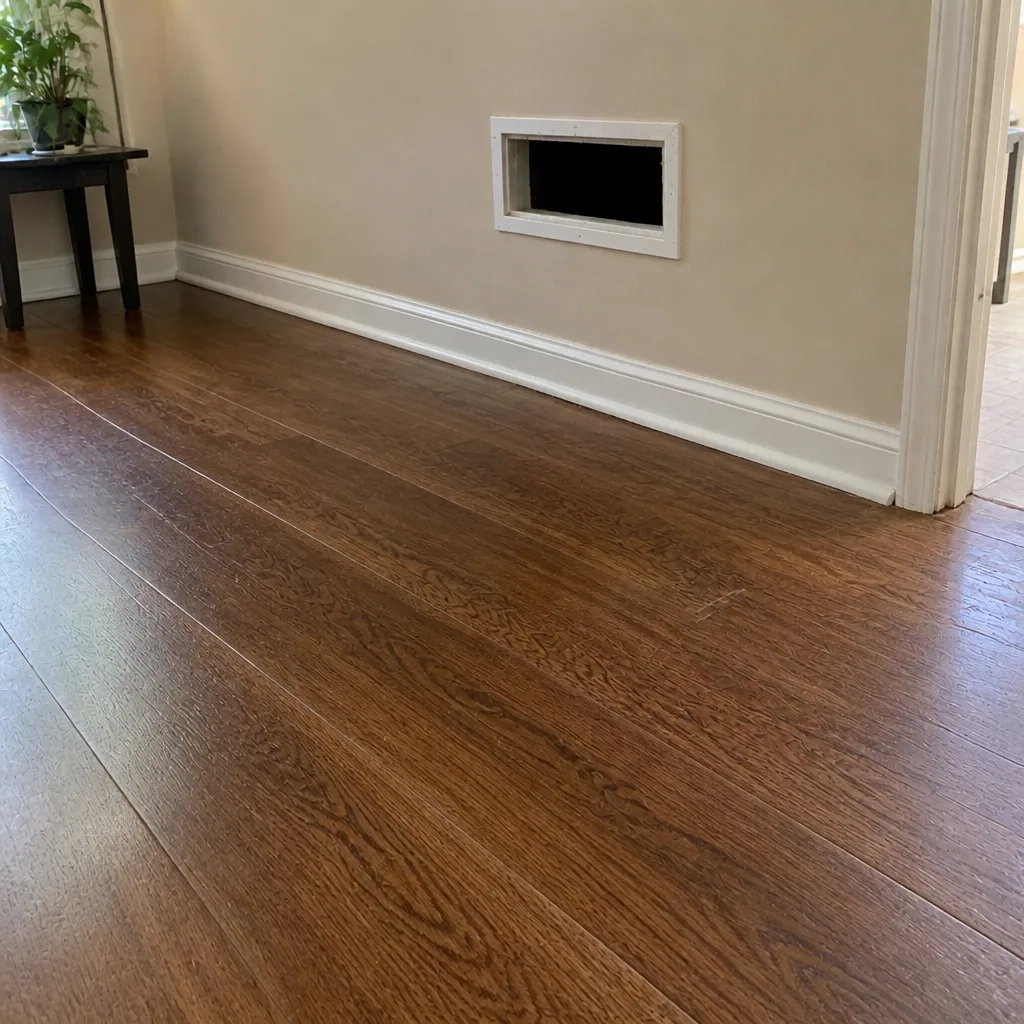
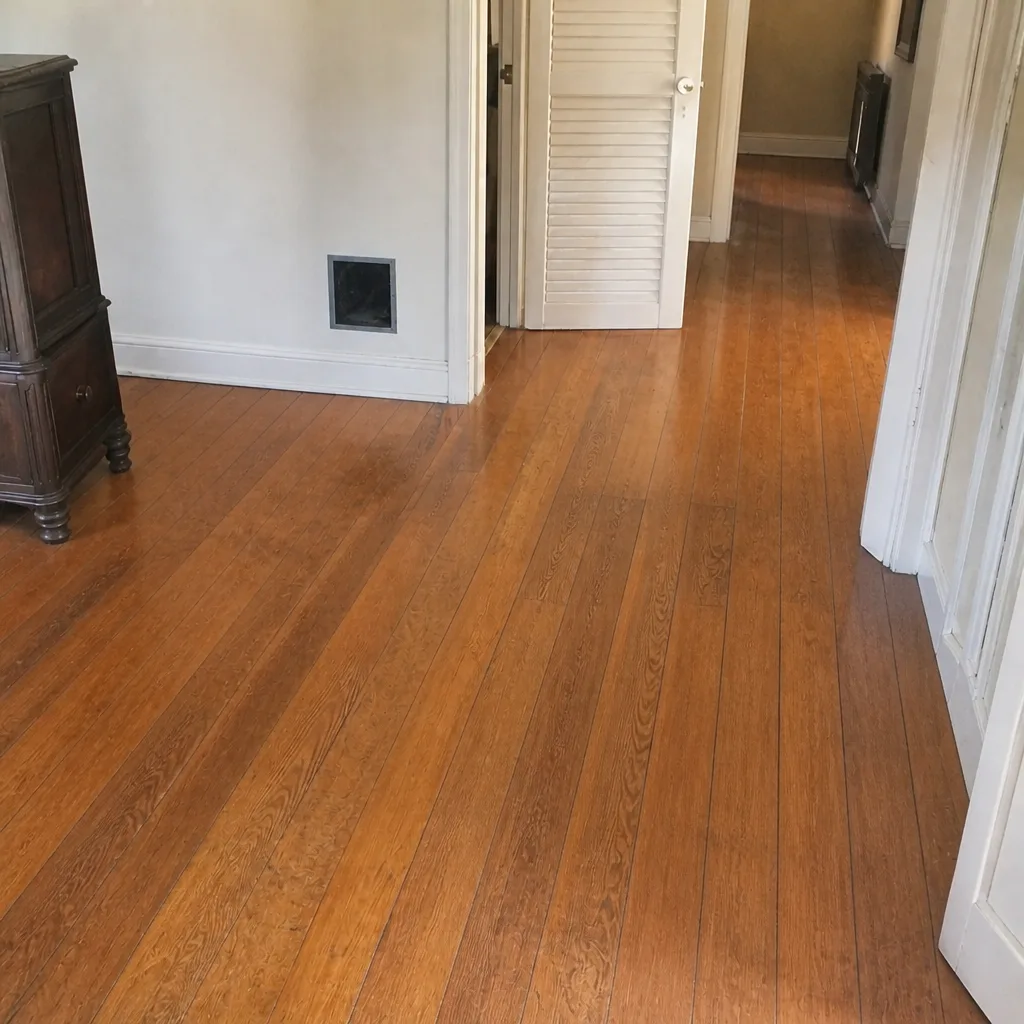
Whole-system duct and dryer vent check with before-and-after photos - you see exactly what came out of your vents
That "$99 whole-house special" is a bait ad - the real number appears once they are in your hallway, or the "clean" is a shop-vac at the register. We photograph the inside of your ducts before and after instead.
Seasonal Air Duct Cleaning Care for Adams Farm: Year-Round Homeowner’s Guide
Booking a duct cleaning in January because the calendar flipped is one of the least useful timing decisions an Adams Farm homeowner can make. The heaviest contamination load in this part of the Piedmont Triad arrives in a different window entirely, and it isn’t the one most people expect. Spring pollen, summer humidity, the fall switchover to heat, and winter’s sealed-up house each stress your duct system in a different way. This guide maps a 12-month care calendar to the climate you actually live in, so you can time one professional service and three simple homeowner checks to the seasons that matter here.
Quick Answer
For an Adams Farm home, the highest-value time for a professional duct cleaning is late spring into early summer, right after the pollen peak from the neighborhood’s mature tree canopy and before the air conditioner runs hard in July and August. A second inspection window opens in early fall, when the system shifts from cooling to heating. Between those visits, three homeowner check-ins – one in spring, one in midsummer, one in late fall – keep you ahead of the problems that build quietly in Piedmont Triad homes.
Styles & brands we work with
- Whole-home duct cleaning
- Dryer vent cleaning
- Camera inspection
- Sanitizing & deodorizing
Table of Contents
- Why Seasons Hit Adams Farm Ducts Differently
- Spring (March-May): Peak Pollen Load and Filter Saturation
- Summer: Humidity, Condensation, and What to Watch at Your Registers
- Fall: The Best Window for a Professional Inspection
- Winter: Closed-House Conditions and Amplified Symptoms
- How to Build a 12-Month Duct Calendar for a Piedmont Triad Home
- What a Seasonal Service Visit Actually Involves
- Why Repair and Sealing Belong on the Same Calendar
Why Seasons Hit Adams Farm Ducts Differently
Duct contamination isn’t a steady, year-round accumulation. It loads in pulses, and each pulse has a cause. In Adams Farm, those causes line up neatly with the four seasons because of where the neighborhood sits in the Piedmont Triad: a climate with a real pollen season, a genuinely humid summer, and a winter cold enough to keep windows shut for weeks at a stretch.
Most generic duct cleaning advice assumes a single annual cleaning date is good enough. It isn’t, for two reasons. First, if you clean in the wrong month, you clean just before the system is about to load up again. Second, the type of contamination changes with the season, so the check you do in July looks nothing like the check you do in November.
Here’s the seasonal risk profile as we see it in this part of the Triad:
- Spring: the highest infiltration load of the year, driven by tree and grass pollen pulled in through returns and any gap in the duct system.
- Summer: moisture risk. Poorly sealed ducts in humid, air-conditioned homes can develop condensation where cold air meets warm, humid attic or crawlspace air.
- Fall: the transition window. The system switches from cooling to heating, which is the best moment to inspect before it runs hot for the first time.
- Winter: no new contamination of note, but a closed house concentrates whatever is already in the system. Symptoms get worse even when the ducts aren’t getting dirtier.
That four-part profile is the reason a single fixed cleaning date underperforms. Aligning your service to the load curve is what this guide is built around.
Spring (March-May): Peak Pollen Load and Filter Saturation
Spring is the heaviest contamination season for an Adams Farm duct system, and the reason is standing right outside your windows. The neighborhood’s mature tree canopy and surrounding green space put a large volume of pollen into the air from March through May, and your HVAC system is the biggest air mover on the property. Every time the blower runs, it pulls outdoor air and indoor dust through the return side. Pollen that lands on furniture and floors eventually gets drawn in, and pollen that gets past a saturated filter goes straight into the ducts.
What makes spring different from the rest of the year is the volume and the stickiness. Pollen particles cling to the interior walls of ductwork and to the fins and surfaces inside the air handler. Once they collect on a damp surface, they hold moisture and become a base layer for everything that follows.
Three things matter most in spring:
- Check the filter every 30 days, not every 90. A filter that’s fine in winter can load up quickly during pollen peak. If you hold it up to a light and can’t see through it, it’s done.
- Watch for a dust film on return grilles. A visible grey or yellow-brown film on the return grille in spring usually means the filter is being bypassed or the return duct is loaded.
- Schedule the professional cleaning for late spring. Cleaning after the pollen peak and before the air conditioner starts working overtime captures the year’s biggest load in one visit instead of cleaning just ahead of it.
If you’ve been running the same filter since last fall, that’s the first thing to change.
Summer: Humidity, Condensation, and What to Watch at Your Registers
Summer shifts the risk from what’s coming in to what’s condensing. Piedmont Triad summers are humid, and an air-conditioned home has two very different air masses in it: cold, dry supply air inside the ducts and warm, humid air in the attic, crawlspace, or wall cavities the ducts run through. Where those two meet at a leak, condensation forms.
Condensation inside or around ductwork is a real problem because moisture plus dust equals a growth environment. It’s also one of the most common things homeowners miss, because it happens out of sight.
What to look for at your registers in summer:
- Water staining or discoloration around the register frame or on the ceiling or wall just outside it.
- A musty or damp smell when the air conditioner first kicks on, which fades after a few minutes. That pattern points to moisture somewhere on the supply side.
- Condensation on the grille itself during very humid stretches, especially in bathrooms and kitchens where a nearby exhaust fan may be pulling humid air back through the system.
- Uneven cooling from room to room, which can be a sign of a leaking or disconnected duct losing cold air into the attic before it reaches the register.
If you see any of these, the fix isn’t more cleaning alone. It’s finding the leak and sealing it. Duct repair and sealing is what stops the moisture cycle; cleaning without sealing just resets the clock. Our air duct cleaning visits are often paired with a sealing walk-through for exactly this reason. If the cooling system itself is also overdue, HVAC cleaning covers the air handler and coil side, where summer moisture tends to collect.
Fall: The Best Window for a Professional Inspection
Fall is the smartest time to have a professional look at the whole system, and the reason is simple: the system is about to change jobs. From roughly June through September, your ducts carry cold air. From October onward, they carry warm air. That switchover is the best inspection moment of the year because a technician can review the whole system before it runs hot for the first time – catching a loose joint, a sagging flex run, or a disconnected boot while it’s still a cheap fix rather than a mid-winter emergency.
Fall inspection covers more than the ducts themselves:
- Check the heat exchanger and air handler area for dust buildup that accumulated over the cooling season. A dusty blower and coil reduce efficiency heading into heating season.
- Look at every accessible duct joint and connection for gaps, separated tape, or flex duct pulled loose at a boot.
- Confirm the return side is sealed where it passes through the attic or crawlspace, since a return leak pulls in unfiltered air from some of the dirtiest spaces in the house.
- Review the filter schedule for the heating season, which is generally lighter on pollen but heavier on dust from a closed house.
Fall is also the right time to think about the dryer vent cleaning side of your home. Dryer vents don’t care what season it is, but a lint-loaded vent is a fire risk that doesn’t improve with time, and fall is a natural moment to fold it into the same visit.
If your air quality has been an issue all summer and you’re heading into a closed house, fall is also the logical time to add a sanitizing step to the cleaning. A Guardsman treatment applied after cleaning gives you a documented antimicrobial and deodorizing pass, not just a mechanical scrub.
Winter: Closed-House Conditions and Amplified Symptoms
Winter doesn’t add much new contamination to an Adams Farm duct system. What it does is concentrate what’s already there. When the windows stay shut for weeks, the same dust, pollen residue, and microbial load that was diluted by open-window ventilation all summer becomes the air you’re breathing on repeat. That’s why symptoms often get worse in winter even though nothing new has entered the ducts.
This matters most for households with allergy or asthma concerns, and for anyone working from home through the cold months. It’s also the season when people notice odors, because there’s no fresh air to mask them.
Winter priorities:
- Change the filter on schedule, even though pollen is low. Dust from a sealed house loads the filter faster than most people expect.
- Pay attention to how the house smells when the heat first comes on each morning. A consistent musty or dusty smell points to the air handler or supply ducts, not the room.
- Don’t clean mid-winter if you cleaned in late spring. The load is low. Save the professional visit for spring load season and use winter for the checks you can do yourself.
- Consider sanitizing only if you have an odor or moisture issue, not as a routine winter add-on. Sanitizing is most useful after a cleaning, when the surfaces are already clean.
Winter is the season to observe, not to schedule a fresh cleaning. That changes how you spend the year’s one professional visit.
How to Build a 12-Month Duct Calendar for a Piedmont Triad Home
Here’s the schedule we recommend for an Adams Farm home: one professional service visit in late spring, one fall inspection, and three homeowner check-ins spaced across the year. It’s built around the load curve we described, not around a generic annual date.
- Late March – homeowner check-in #1. Replace the filter, inspect return grilles for dust film, and note any new musty smell at registers. Write down what you find.
- Late May / early June – professional cleaning. Schedule the main cleaning after the pollen peak and before heavy air-conditioning use. Pair it with a sealing walk-through if the visit turns up leaks.
- Mid-July / early August – homeowner check-in #2. Look for condensation, staining, or uneven cooling at registers. This is the moisture-check moment of the year.
- Early October – professional fall inspection. Have the system reviewed before the heating switchover. This is the second, smaller professional visit of the year.
- Late November – homeowner check-in #3. Change the filter, check for a first-heat odor, and confirm the return grille in the main living area is clean.
- January / February – observation only. No professional visit. Watch for symptom flare-ups in a closed house and note them for the spring.
That’s one professional cleaning, one professional inspection, and three homeowner check-ins. The professional cleaning is the anchor. The fall inspection is the safety net. The check-ins are what keep you from calling a professional for something a filter change would have fixed.
If you want to build that calendar around your home’s specifics, our Air Duct Cleaning Adams Farm page covers the full scope of what we do in the neighborhood, and we’re happy to talk through timing on a free estimate.
What a Seasonal Service Visit Actually Involves
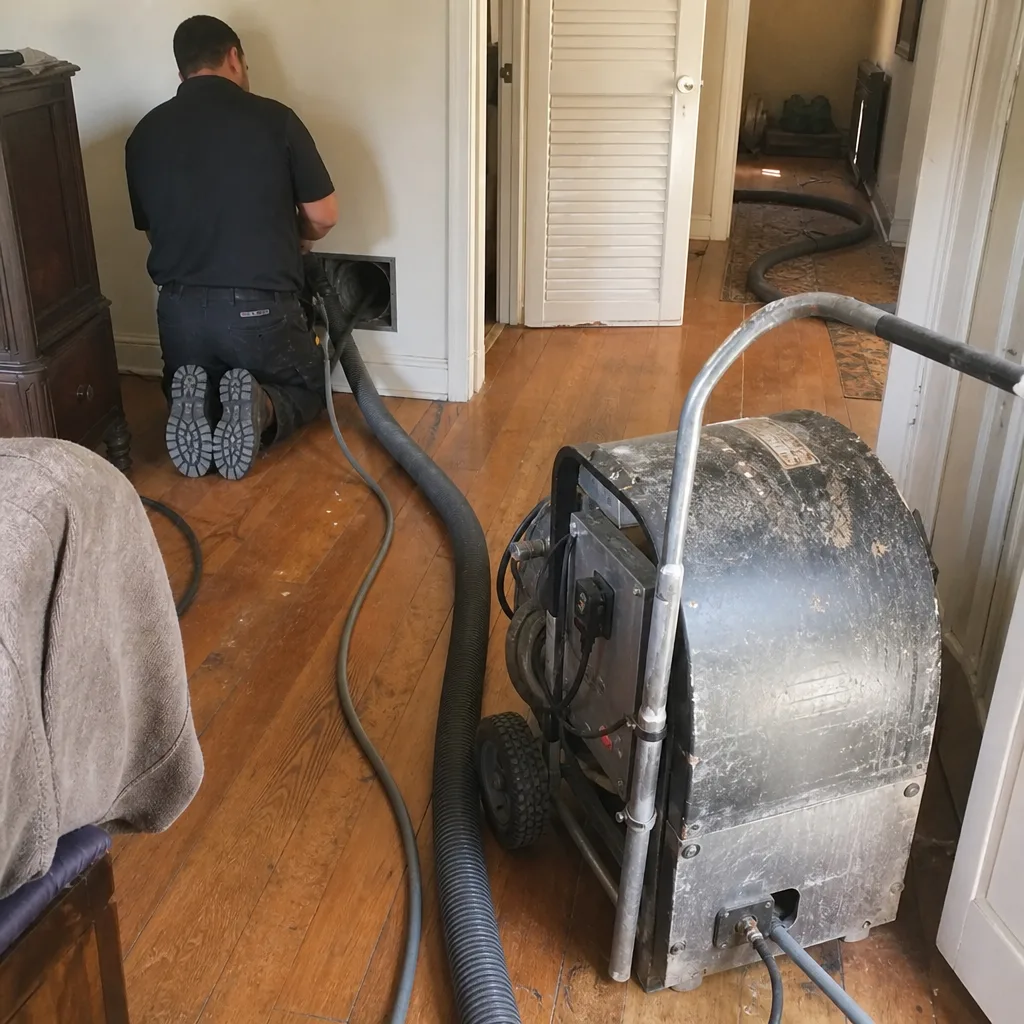
A proper professional duct cleaning is mechanical, not cosmetic. The equipment matters, and it’s one of the few areas where you can productively ask questions before you hire anyone. We use Rotobrush and Nikro systems – purpose-built rotary brush and negative-air extraction equipment used in commercial and industrial duct cleaning, not consumer-grade vacuums repurposed for duct work. If a company can’t tell you what equipment they’re using, that’s a signal.
A typical visit covers:
- Source removal with negative-air containment so dislodged dust is captured rather than pushed into the living space.
- Rotary brush cleaning of the supply and return runs to break up adhered material on duct walls.
- Air handler and coil cleaning where included, which is the part most homeowners forget to ask about.
- Before-and-after photos so you can see what was actually removed.
- Optional sanitizing with Guardsman when odor or moisture is part of the problem.
- An air quality review that can include Honeywell, Aprilaire, and Abatement Technologies filtration and ventilation products if the season’s findings point that way.
The best time to book a full-scope visit is the late spring cleaning, when the load is highest. The fall inspection is usually a lighter, more diagnostic visit – checking joints, confirming the system is sealed, and addressing anything the summer moisture season turned up.
Why Repair and Sealing Belong on the Same Calendar
A duct system that leaks undoes a cleaning faster than anything else. A return-side leak in an attic or crawlspace pulls unfiltered air – dust, insulation fibers, whatever’s in that space – straight into the airstream after the filter. A supply-side leak loses conditioned air into the attic, which drives up energy bills and, in a humid Piedmont summer, introduces the moisture risk we covered above. Cleaning a leaking system is like cleaning a room with a window open onto a dirt road.
This is why we treat repair and sealing as part of the seasonal picture, not a separate upsell. When we do a spring cleaning, we flag any joint that’s separated, any flex run pulled off a boot, and any return leak we can reach. When we do the fall inspection, we verify the work from spring is still holding before heating season starts. If it isn’t, sealing now is almost always cheaper than the energy loss and repeat contamination that follows a leak through another year.
If you’ve had a cleaning before and the dust came back within a few months, an unsealed leak is usually the reason. That’s worth knowing before you schedule the next visit.
Common Mistakes to Avoid
- Cleaning in January because it’s the new year. Spring and early fall are the load-relevant windows here. A mid-winter cleaning misses the pollen peak and leaves you paying for a visit that does less good.
- Treating the filter as a “check it once a year” item. During Adams Farm’s spring pollen season, a filter that was fine in February can be loaded by April. Check it monthly from March through May.
- Cleaning without checking for leaks. If a return is drawing from the attic or crawlspace, cleaning the ducts just resets a problem that will return. Ask about sealing on the same visit.
- Ignoring summer condensation. A little musty smell when the air conditioner first kicks on is a moisture signal. Waiting until it becomes a bigger issue usually costs more than catching it early.
- Assuming winter worsening means new contamination. A closed house amplifies existing load. If symptoms flare in winter, that’s the time to plan a spring cleaning, not book an emergency one.
- Booking a company that won’t tell you the equipment. If they can’t name Rotobrush, Nikro, or an equivalent system, you can’t tell what kind of clean you’re paying for.
- Forgetting the dryer vent on the calendar. Dryer vent cleaning addresses one of the leading causes of residential fires. Add it to the fall visit and stop thinking about it for the rest of the year.
See the difference
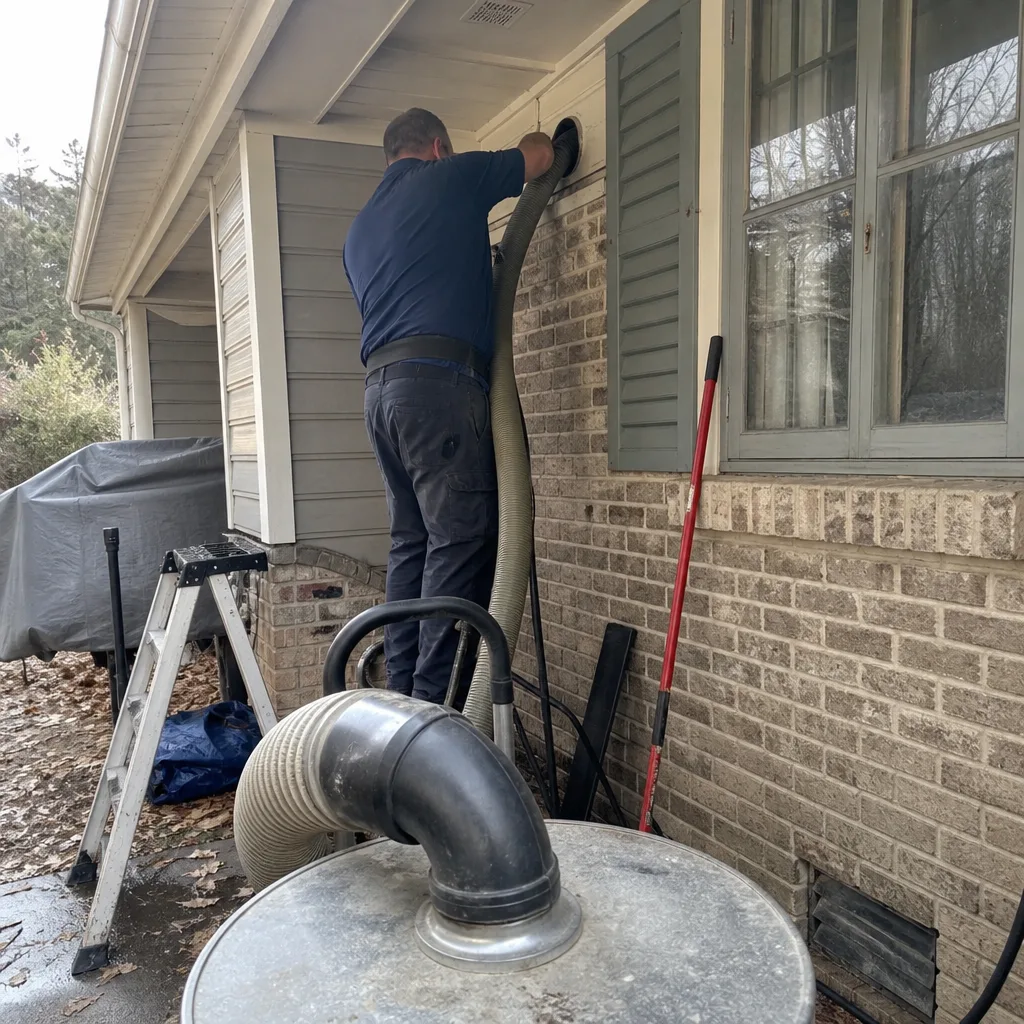 Before
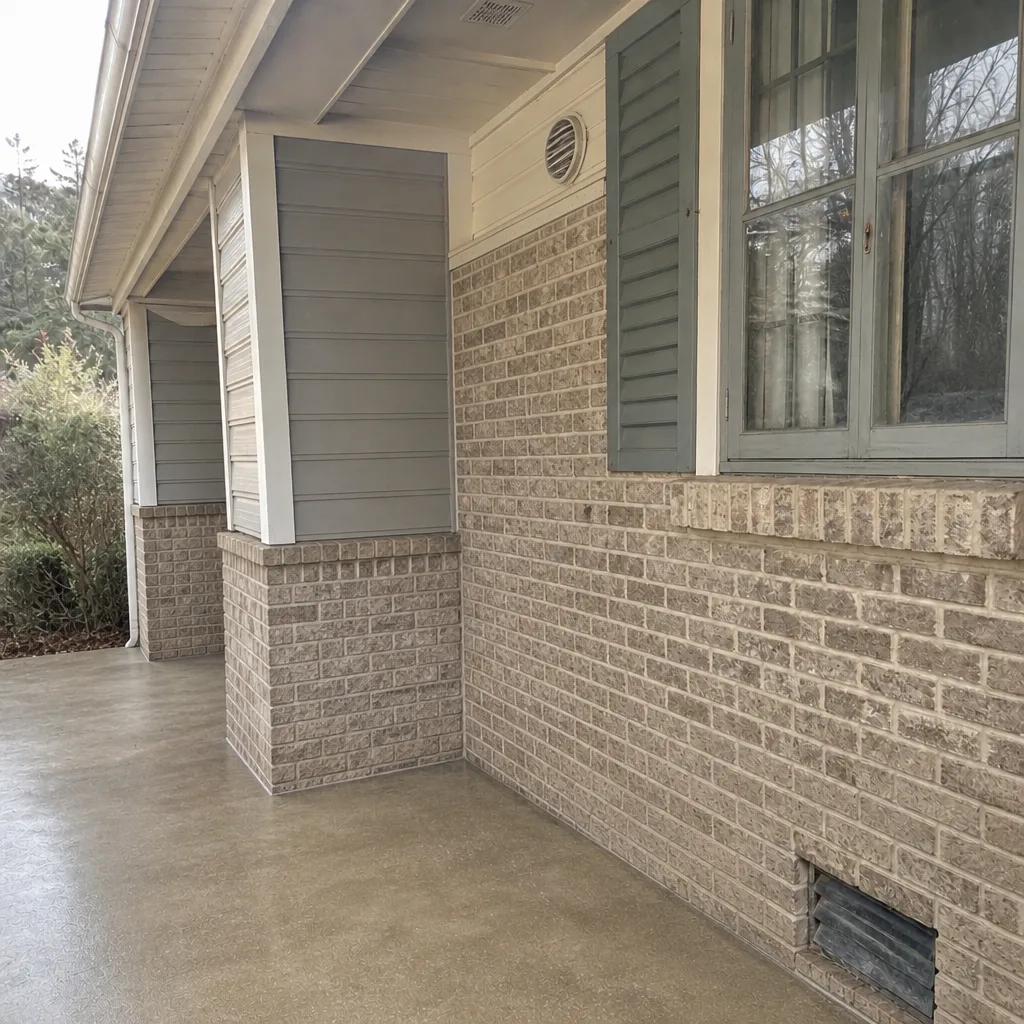 After
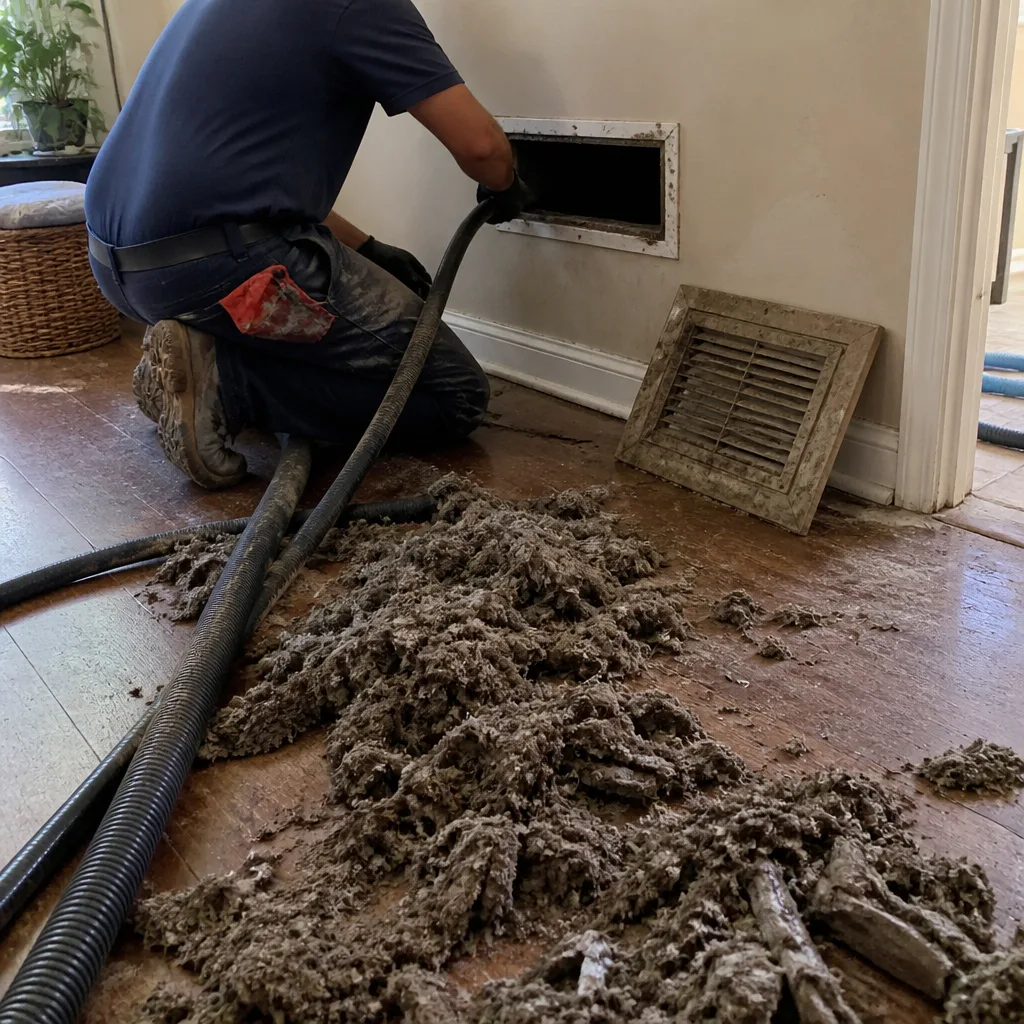 Before
 After
 Before
 After
When to Call a Professional
Call a professional if you see visible dust film on return grilles after a fresh filter change, if a musty smell appears when the heat or air conditioning first comes on, if some rooms never seem to get the right temperature, or if it’s simply been more than a year since the ducts were cleaned and you live in a pollen-heavy part of Adams Farm. Call sooner if anyone in the house has allergy or asthma symptoms that flare in winter, or if you’re preparing to sell and want documented proof the system is clean and sealed. Air Duct Cleaning Adams Farm offers free estimates in Adams Farm – call (877) 770-1927. We answer 24/7. Fast dispatch from 7am to 7pm, Sunday through Friday, and a written estimate sets the price before any work starts.
Frequently Asked Questions
Once a year for most homes, timed to late spring after the pollen peak, with a fall inspection in between. Adams Farm’s heavy spring pollen and humid summers load a system faster than a lot of Triad neighborhoods, so timing matters as much as frequency. Homes with pets, allergy-sensitive occupants, or recent renovation work should lean toward the annual spring cleaning as an anchor. Call (877) 770-1927 for an honest read on your specific home.
Late spring is the best time in this part of the Piedmont Triad because it cleans the year’s biggest contamination load after it happens and before the air conditioner runs hard. Cleaning in fall would remove pollen load after it has already circulated all summer. If you can only book one visit a year, late May or early June is the window to aim for. Call (877) 770-1927 to check availability for that window.
Water staining around the register frame, condensation on the grille during humid stretches, and a musty smell when the air conditioner first kicks on. Those signs usually point to a leak where cold supply air meets warm, humid air in an attic, crawlspace, or wall cavity. Sealing the leak is the fix; cleaning without sealing won’t stop it. Call (877) 770-1927 if you’ve seen any of these.
Ask for before-and-after photos of your own ductwork, not stock images. A company using Rotobrush and Nikro extraction systems should be able to show you the interior of the runs before and after cleaning, and should be willing to walk you through what the fall inspection turns up. Documentation is the difference between a clean you can verify and one you take on faith. Call (877) 770-1927 and ask what photos they’ll provide.
Cheap quotes usually skip containment or source removal, or use consumer-grade vacuums that can’t hold a duct clean. The result is a surface wipe that leaves the deeper load in place, or worse, pushes dust into the living space. A proper visit involves real negative-air equipment, a full pass on supply and return, and photos. Call (877) 770-1927 for a free estimate so you’re comparing scope, not just price.
Usually not. Winter flares are more often caused by a closed house concentrating whatever was already in the ducts than by new contamination. The fix is to plan the spring cleaning around the load season, not to clean in a low-load month. If you’re seeing symptoms now, call (877) 770-1927 and we’ll help you time it right.
The Bottom Line
In Adams Farm, duct care works best when it follows the Piedmont Triad’s actual seasons rather than a generic annual date. Spring is the load season, so clean after the pollen peak and before the air conditioner works overtime. Summer is the moisture season, so watch registers for staining and odor and seal any leak the inspection turns up. Fall is the inspection season, the smartest time to review the system before it runs hot. Winter is the observation season, when closed-house conditions amplify existing load without adding new contamination. One professional service, one fall inspection, and three homeowner check-ins over the year – that’s the whole calendar. Professional Rotobrush and Nikro equipment, brand-name air quality products from Honeywell, Aprilaire, and Abatement Technologies, and a Guardsman sanitizing step when moisture or odor calls for it, are what make the calendar stick.
If you’re ready to build your home’s calendar or want a free estimate, call Air Duct Cleaning Adams Farm at (877) 770-1927. We answer 24/7. Fast dispatch from 7am to 7pm, Sunday through Friday. The written estimate sets the price before any work begins, and we’ll walk you through the seasonal timing that fits your home.
Written by the team at Air Duct Cleaning Adams Farm.